Get your free personalized podcast brief
We scan new podcasts and send you the top 5 insights daily.
Four key variables determine a drug's suitability for a direct-to-consumer (DTC) channel: it must be self-administered, the condition must be diagnosable via telehealth without in-person confirmation, it should have a lower price point, and be free of restrictive FDA regulations.

Related Insights
The backend infrastructure built by compound pharmacies to serve telehealth giants like Hims and Ro is now mature. This creates an opportunity for new brands to quickly launch and ship prescription products, effectively using these pharmacies as a platform for regulated health and wellness DTC.
The high cost of insulin isn't from manufacturing but from the complex distribution chain of wholesalers, pharmacies, and insurers. Project Insulin's core strategy is to bypass this system entirely with a direct-to-patient mail-order pharmacy model, effectively eliminating the middlemen who inflate the final price.

The direct-to-consumer channel exploded for Eli Lilly with Zepbound. The drug was a perfect fit because the diagnosis is simple, efficacy is easily measured by the patient, and it allows motivated self-pay customers to bypass insurance friction.
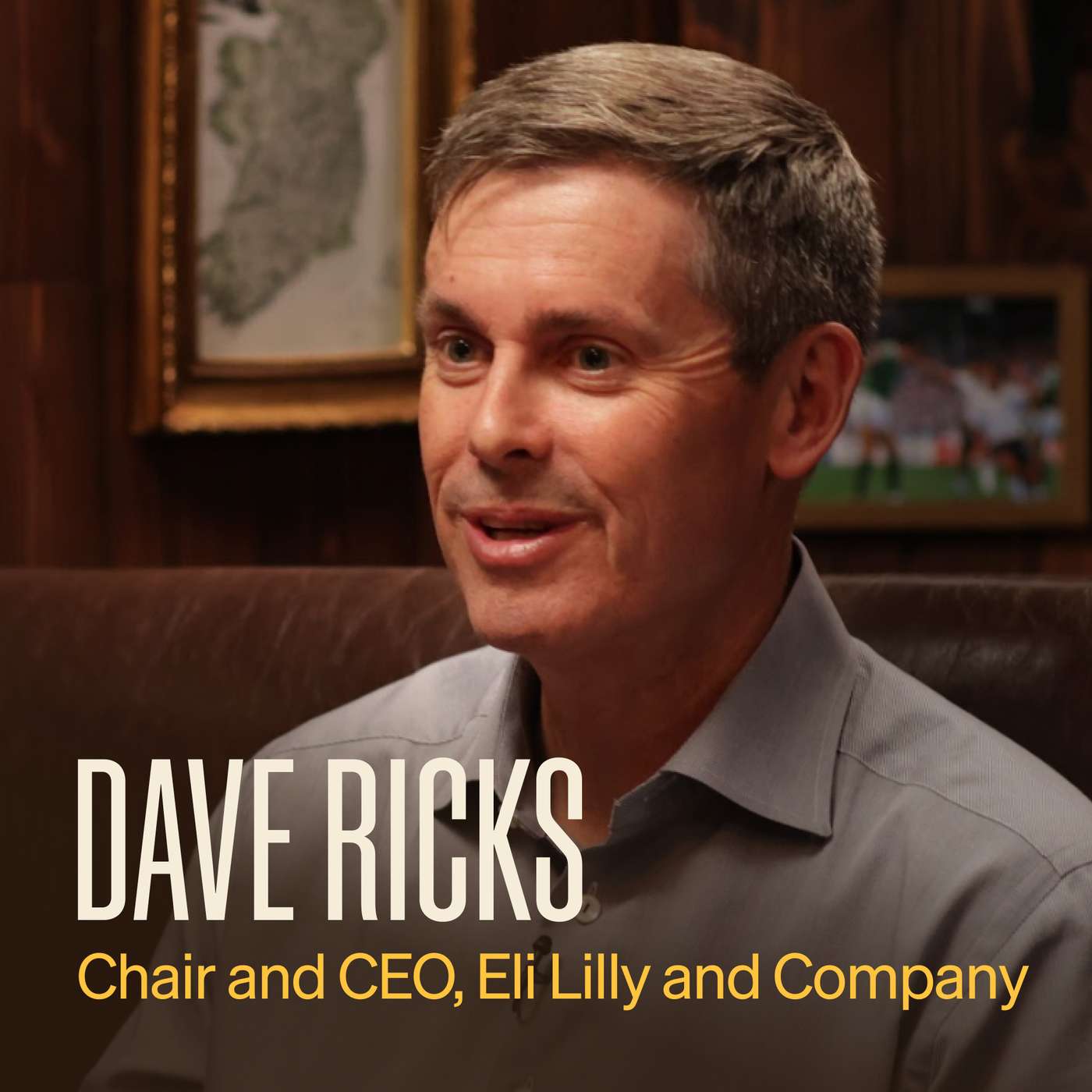
While ensuring patient access through co-pay cards and prior authorizations was once the primary focus, it has now become table stakes. Leading pharmaceutical companies are shifting investment toward perfecting the 'day one' experience, recognizing that a poor initial self-administration can lead to immediate therapy abandonment.
The emergence of low-cost, compounded versions of GLP-1 drugs from telehealth companies like Hims is creating significant pricing pressure on market leaders Novo Nordisk and Eli Lilly. This dynamic has pushed the pharma giants toward direct-to-consumer models with lower prices to compete.

Direct-to-consumer telehealth companies like Hims achieve rapid growth via a vertically integrated model of marketing, medical groups, and pharmacies. This structure allows them to generate revenue from selling medicines, a more scalable business than relying on fees from the practice of medicine alone.
Eli Lilly's oral GLP-1 is proving to be a market expander, not just a cannibalizer of injectables. An overwhelming 80% of its users are new to the GLP-1 class, driven by an aggressive direct-to-consumer (DTC) telehealth strategy. This signals a vast, untapped patient population for oral obesity treatments.
Beyond simple advertising, a new system is developing where patients can initiate treatment, get a digital prescription via telehealth, and use non-traditional channels to get medicine. This model thrives in areas where insurance creates friction and a cash price is viable.
Eli Lilly's direct-to-consumer model for GLP-1s has been a massive success, with over half of new users coming through this channel. It shows consumers crave a streamlined, digital experience and want to bypass traditional healthcare system frictions.
![Alex Karnal - The Trillion-Dollar Health Revolution - [Invest Like the Best, EP.467] thumbnail](https://megaphone.imgix.net/podcasts/cbc5538c-3d2c-11f1-abeb-8fa0b9345ba8/image/7338c7270d70078f65b4911eb9cd5b0b.jpg?ixlib=rails-4.3.1&max-w=3000&max-h=3000&fit=crop&auto=format,compress)
The launch of Novo Nordisk's oral GLP-1 pill via platforms like Ro marks a pivotal shift in pharma distribution. It's the first time a drug of this scale has launched nationwide with a direct-to-consumer model, enabling patients to go from seeing an ad to receiving a prescription in under 48 hours.
