Get your free personalized podcast brief
We scan new podcasts and send you the top 5 insights daily.
Direct-to-consumer telehealth companies like Hims achieve rapid growth via a vertically integrated model of marketing, medical groups, and pharmacies. This structure allows them to generate revenue from selling medicines, a more scalable business than relying on fees from the practice of medicine alone.

Related Insights
The backend infrastructure built by compound pharmacies to serve telehealth giants like Hims and Ro is now mature. This creates an opportunity for new brands to quickly launch and ship prescription products, effectively using these pharmacies as a platform for regulated health and wellness DTC.
Instead of charging doctors for its valuable productivity tools, Doximity offers them for free to maximize user engagement. This creates a highly concentrated, valuable audience of physicians, which is then monetized through targeted advertising from pharmaceutical companies, its primary revenue source.
![Doximity: The Hub of Healthcare - [Business Breakdowns, EP.236] thumbnail](https://megaphone.imgix.net/podcasts/8c0a2a5a-d167-11f0-a7b9-3f57504a8cb8/image/02ea26ff0b721939d29f31ed5fa60266.jpg?ixlib=rails-4.3.1&max-w=3000&max-h=3000&fit=crop&auto=format,compress)
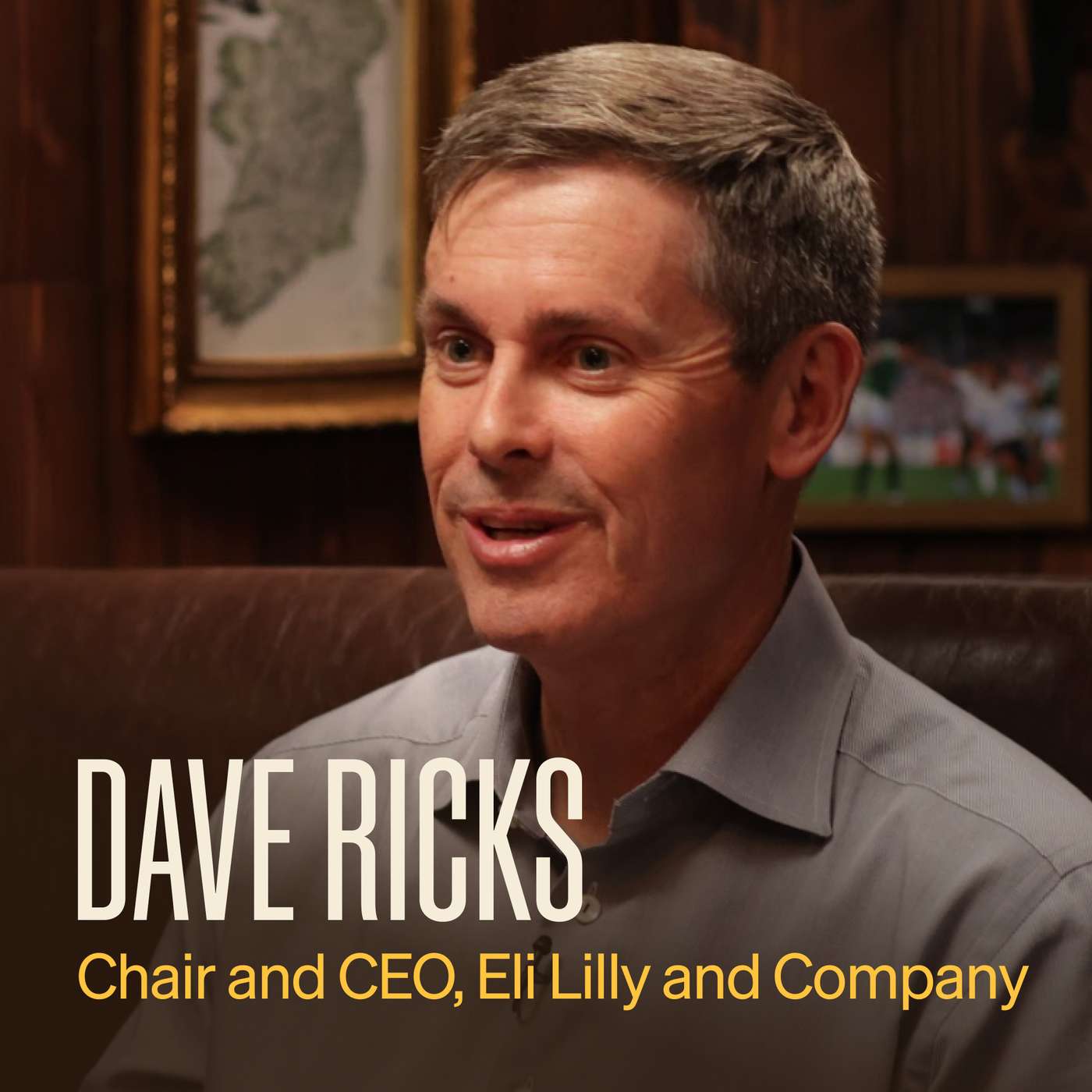
The direct-to-consumer channel exploded for Eli Lilly with Zepbound. The drug was a perfect fit because the diagnosis is simple, efficacy is easily measured by the patient, and it allows motivated self-pay customers to bypass insurance friction.
Two dominant strategies are winning. Companies can either be the absolute best at one specific thing (e.g., musculoskeletal care, women's health) or build a platform that aggregates these best-in-class solutions into a seamless 'digital front door' for insurers and corporations.

A key expansion strategy is moving 'upper funnel' from treating specific, acute conditions to offering a holistic, preventative platform. For Hims & Hers, adding diagnostics ('Labs') created a new entry point for users to understand their overall health, not just solve one problem.

While digital advertising constitutes 75% of spend in the general economy, it's only about half that in healthcare. This lag, driven by an entrenched reliance on in-person sales reps, creates a long-term secular tailwind for platforms like Doximity as the industry inevitably shifts its marketing budget online.
The emergence of low-cost, compounded versions of GLP-1 drugs from telehealth companies like Hims is creating significant pricing pressure on market leaders Novo Nordisk and Eli Lilly. This dynamic has pushed the pharma giants toward direct-to-consumer models with lower prices to compete.
The company's core value proposition stems from a non-obvious market inefficiency: doctors have roughly 30% of their schedules open due to last-minute cancellations and no-shows. ZocDoc acts as a yield management platform, filling this perishable inventory, which benefits both doctors' businesses and patients seeking quick access to care.

The primary challenge for direct-to-consumer (DTC) AI doctor services is not technology but economics. High customer acquisition costs and churn make a standalone subscription model untenable. Successful AI doctors will likely be a top-of-funnel feature for a larger, integrated healthcare business.

To justify its massive valuation, OpenEvidence must expand its Total Addressable Market (TAM). This means moving beyond the current online ad spend for doctors and capturing a significant portion of the budget that pharmaceutical companies allocate to their army of sales reps who conduct in-person visits.