Get your free personalized podcast brief
We scan new podcasts and send you the top 5 insights daily.
The high cost of insulin isn't from manufacturing but from the complex distribution chain of wholesalers, pharmacies, and insurers. Project Insulin's core strategy is to bypass this system entirely with a direct-to-patient mail-order pharmacy model, effectively eliminating the middlemen who inflate the final price.

Related Insights
High drug costs are systemic, rooted in the for-profit model's legal obligation to prioritize shareholder returns over patient affordability. This is compounded by a complex distribution chain where multiple middlemen—wholesalers, insurers, and pharmacies—each add a profit layer, inflating the final price.
The scientific knowledge to produce insulin is widespread. The primary barrier to creating an affordable biosimilar is not a scientific challenge but raising sufficient capital to navigate manufacturing and distribution, a problem addressed by Project Insulin's non-profit, fundraising-first model.
The GLP-1 drug revolution is moving beyond weekly injections for wealthy markets. Upcoming pill-form versions will eliminate the need for refrigerated supply chains, opening up distribution in developing countries. Combined with expiring patents, this focus on form factor and cost will enable mass global adoption.
The emergence of low-cost, compounded versions of GLP-1 drugs from telehealth companies like Hims is creating significant pricing pressure on market leaders Novo Nordisk and Eli Lilly. This dynamic has pushed the pharma giants toward direct-to-consumer models with lower prices to compete.

To solve the insulin price bubble, Eli Lilly launched its own low-list-price biosimilar. However, insurers and PBMs initially refused to cover it because its low price and small rebate threatened their lucrative business model.
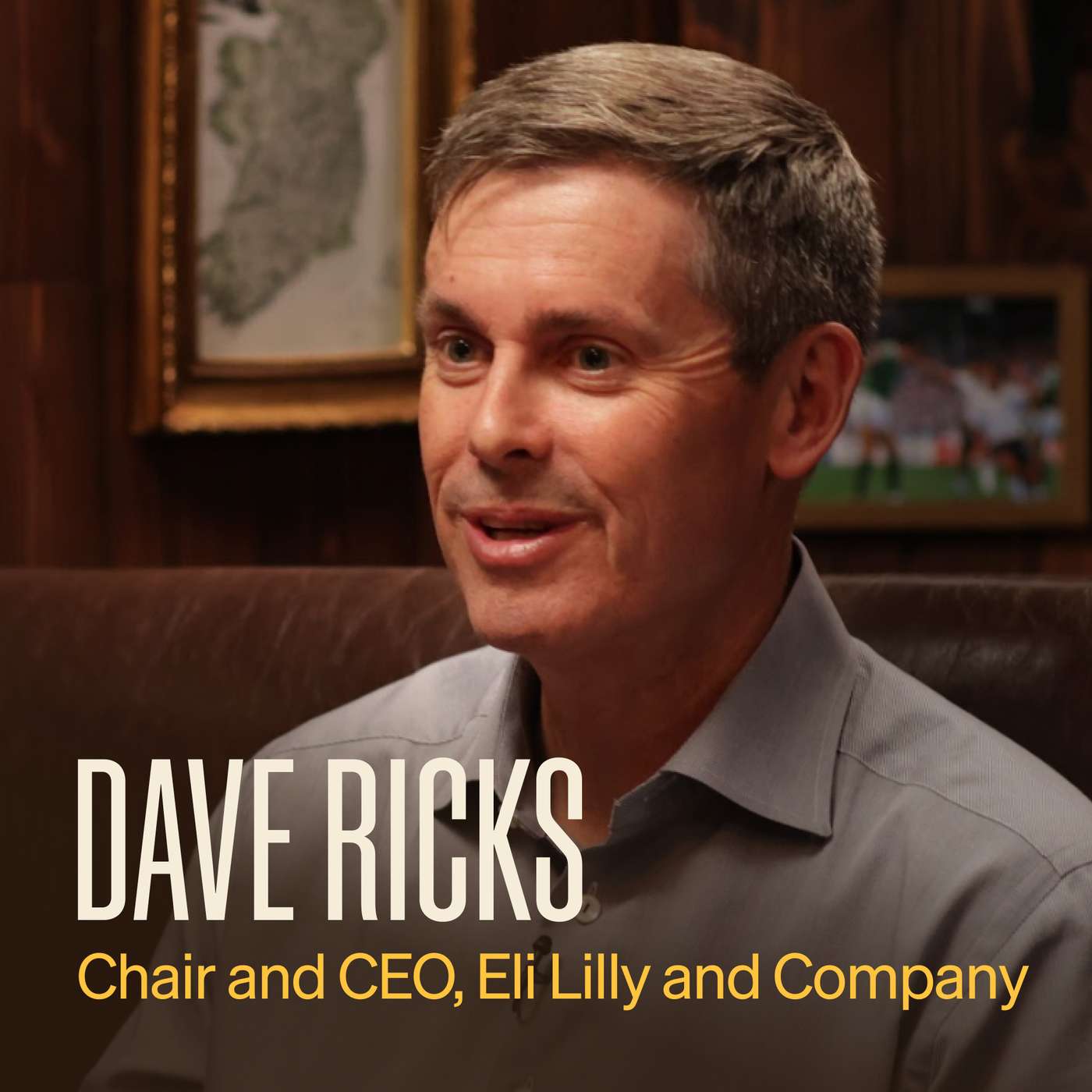
The large gap between insulin's list and net price was driven by Pharmacy Benefit Managers (PBMs). Their business model, which takes a percentage of the rebate, incentivized pharma to raise list prices to offer bigger discounts.
Eli Lilly bypassed traditional pharmacy channels with its 'Lilly Direct' program, which cut consumer prices by 60%. Counterintuitively for pharmaceuticals, they found pricing is highly elastic: the more they lower the price, the more users they acquire, which ultimately grows the business.

Eli Lilly's direct-to-consumer model for GLP-1s has been a massive success, with over half of new users coming through this channel. It shows consumers crave a streamlined, digital experience and want to bypass traditional healthcare system frictions.
![Alex Karnal - The Trillion-Dollar Health Revolution - [Invest Like the Best, EP.467] thumbnail](https://megaphone.imgix.net/podcasts/cbc5538c-3d2c-11f1-abeb-8fa0b9345ba8/image/7338c7270d70078f65b4911eb9cd5b0b.jpg?ixlib=rails-4.3.1&max-w=3000&max-h=3000&fit=crop&auto=format,compress)
The affordable insulin crisis is a pricing and distribution problem, not a scientific one. With manufacturing costs as low as $2-$10 per vial and sale prices up to $300, a non-profit can create a sustainable model by operating within this massive margin, aiming for a consumer price of around $30.
The launch of Novo Nordisk's oral GLP-1 pill via platforms like Ro marks a pivotal shift in pharma distribution. It's the first time a drug of this scale has launched nationwide with a direct-to-consumer model, enabling patients to go from seeing an ad to receiving a prescription in under 48 hours.
