Get your free personalized podcast brief
We scan new podcasts and send you the top 5 insights daily.
Eli Lilly's direct-to-consumer model for GLP-1s has been a massive success, with over half of new users coming through this channel. It shows consumers crave a streamlined, digital experience and want to bypass traditional healthcare system frictions.
![Alex Karnal - The Trillion-Dollar Health Revolution - [Invest Like the Best, EP.467] thumbnail](https://megaphone.imgix.net/podcasts/cbc5538c-3d2c-11f1-abeb-8fa0b9345ba8/image/7338c7270d70078f65b4911eb9cd5b0b.jpg?ixlib=rails-4.3.1&max-w=3000&max-h=3000&fit=crop&auto=format,compress)
Related Insights
Despite its first-mover advantage, Novo Nordisk lost its lead in the weight-loss drug market by failing to recognize its consumer-driven nature. While it planned a traditional pharma launch, competitor Eli Lilly adopted a direct-to-consumer model, treating the drug like an e-commerce product and capturing the market.

The direct-to-consumer channel exploded for Eli Lilly with Zepbound. The drug was a perfect fit because the diagnosis is simple, efficacy is easily measured by the patient, and it allows motivated self-pay customers to bypass insurance friction.
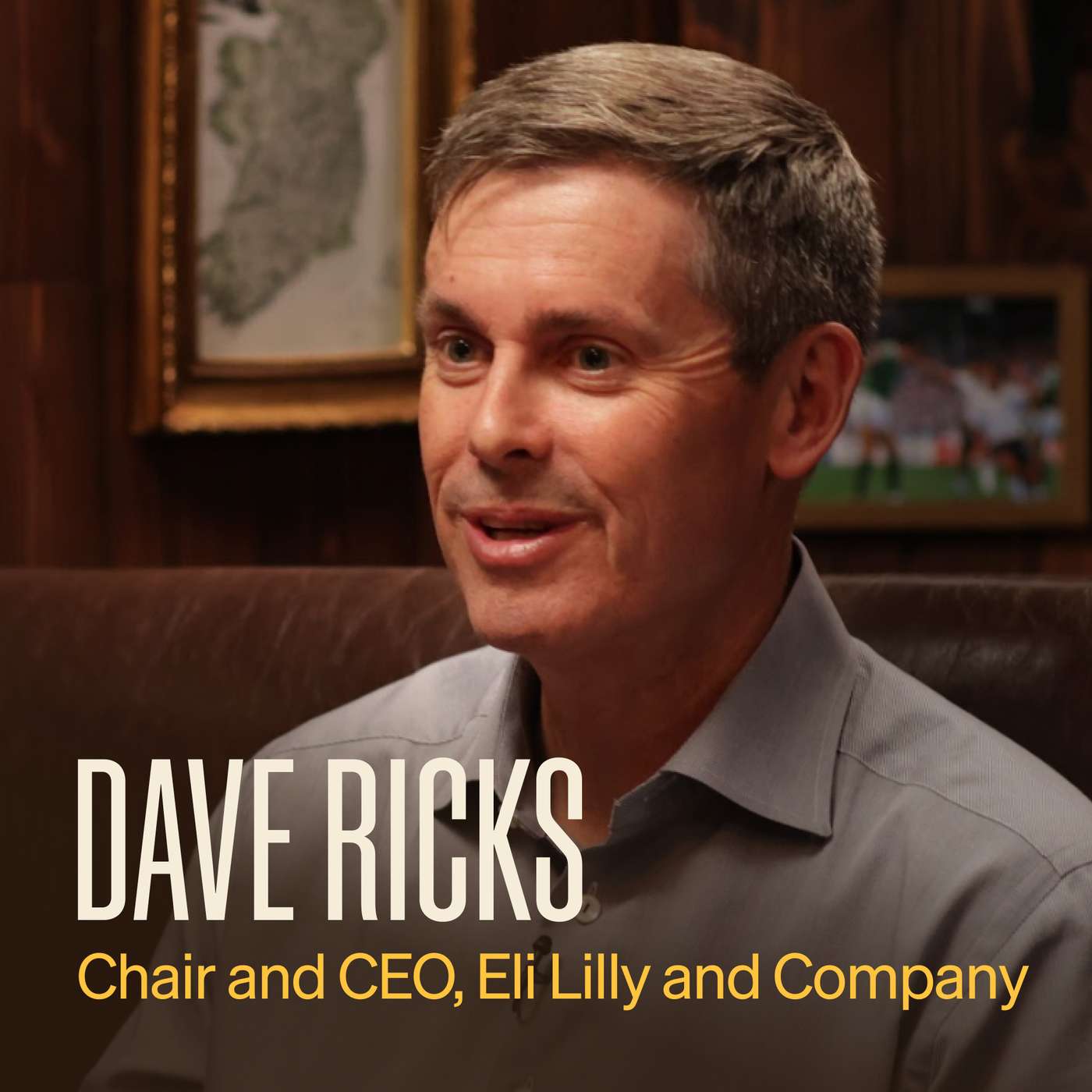
The two pharma giants are competing aggressively in the direct-to-consumer channel. They're cutting prices on their GLP-1 drugs, anticipating that lower costs will drive significantly higher volume and sales in the long run, even if it hurts short-term revenue forecasts.

Eli Lilly and Novo Nordisk's DTC programs for weight loss drugs give employers an alternative to point employees towards, providing cover to drop expensive insurance coverage and potentially reducing access for patients who rely on it.
The massive success of GLP-1s is not just about a $100B drug class. It's the first commercial proof that consumers are actively choosing preventative medicine, paving the way for a broader, trillion-dollar revolution in public health spending and behavior.
The emergence of low-cost, compounded versions of GLP-1 drugs from telehealth companies like Hims is creating significant pricing pressure on market leaders Novo Nordisk and Eli Lilly. This dynamic has pushed the pharma giants toward direct-to-consumer models with lower prices to compete.
The transition to oral GLP-1 therapies is a significant market expander, not just a convenience upgrade. Nearly 80% of patients starting oral medications are new to the drug category, indicating a substantial increase in the addressable patient pool rather than simple conversion of existing users.

Eli Lilly ran the fastest-accrued Alzheimer's study in history by going direct-to-patient. This model, using televisits and centralized diagnostics, is highly effective for preventative medicines where motivated patients can be recruited online.
A significant portion of Eli Lilly's outperformance is driven by its Lilly Direct cash-pay channel, where customers pay out-of-pocket. An HSBC analyst warns this channel is more sensitive to changing economic conditions than insurance-based sales, making future revenue streams less predictable and potentially risky to forecast.

The launch of Novo Nordisk's oral GLP-1 pill via platforms like Ro marks a pivotal shift in pharma distribution. It's the first time a drug of this scale has launched nationwide with a direct-to-consumer model, enabling patients to go from seeing an ad to receiving a prescription in under 48 hours.
