Get your free personalized podcast brief
We scan new podcasts and send you the top 5 insights daily.
Instead of using formal focus groups, Ralph Lauren spent a day shopping with a young CAA assistant to understand his target demographic. This ground-level approach provided direct, unfiltered insights into why young consumers weren't buying his brand.

Related Insights
Customers, like founders, have a gap between their stated beliefs and actual behaviors. Instead of relying on discovery interviews, watch them work. Observing their actions reveals their true operating philosophy—what they genuinely value—which is a more reliable guide for product development than what they say.

A GSB receptionist's casual chats with alumni revealed the program's long-term "fine wine" value—a strategic insight that formal surveys often miss. This shows how empowering frontline employees to listen can uncover profound user truths.

To truly understand customers, go to their natural environment—their home or shop. Observing their context reveals far more than sterile office interviews. This practice, internally branded "Listen or Die," ensures the entire team stays connected to the user's reality.
Lancer Skincare's founder, a practicing dermatologist, provides a unique feedback channel. Daily patient interactions offer direct insights into product performance and identify market gaps for new products, a method more authentic and effective than traditional focus groups.

Founder Amanda Bradford used informal 'wine nights' with target users for customer research. This casual setting generated crucial feedback, like reordering the app's onboarding flow, proving that valuable insights don't require a formal, 'scientific' process to be effective.
To truly understand his target customer, Petrie adopts their entire lifestyle, inspired by Ralph Lauren's method of "dressing for a movie." This immersion goes beyond research, influencing everything from product design to his personal interests, like what car he drives.
The only reliable way to understand a customer is to "forward deploy"—work alongside them in their actual environment. This direct experience of their job closes the context gap that interviews can't bridge, revealing unspoken needs and frustrations.
Coach's marketing success is driven by its CMO, a trained anthropologist who conducts in-home observational research instead of using focus groups. This "Jane Goodall" approach of studying customers in their natural environment uncovers unarticulated needs, leading to product innovations like handbag charms for Gen Z.

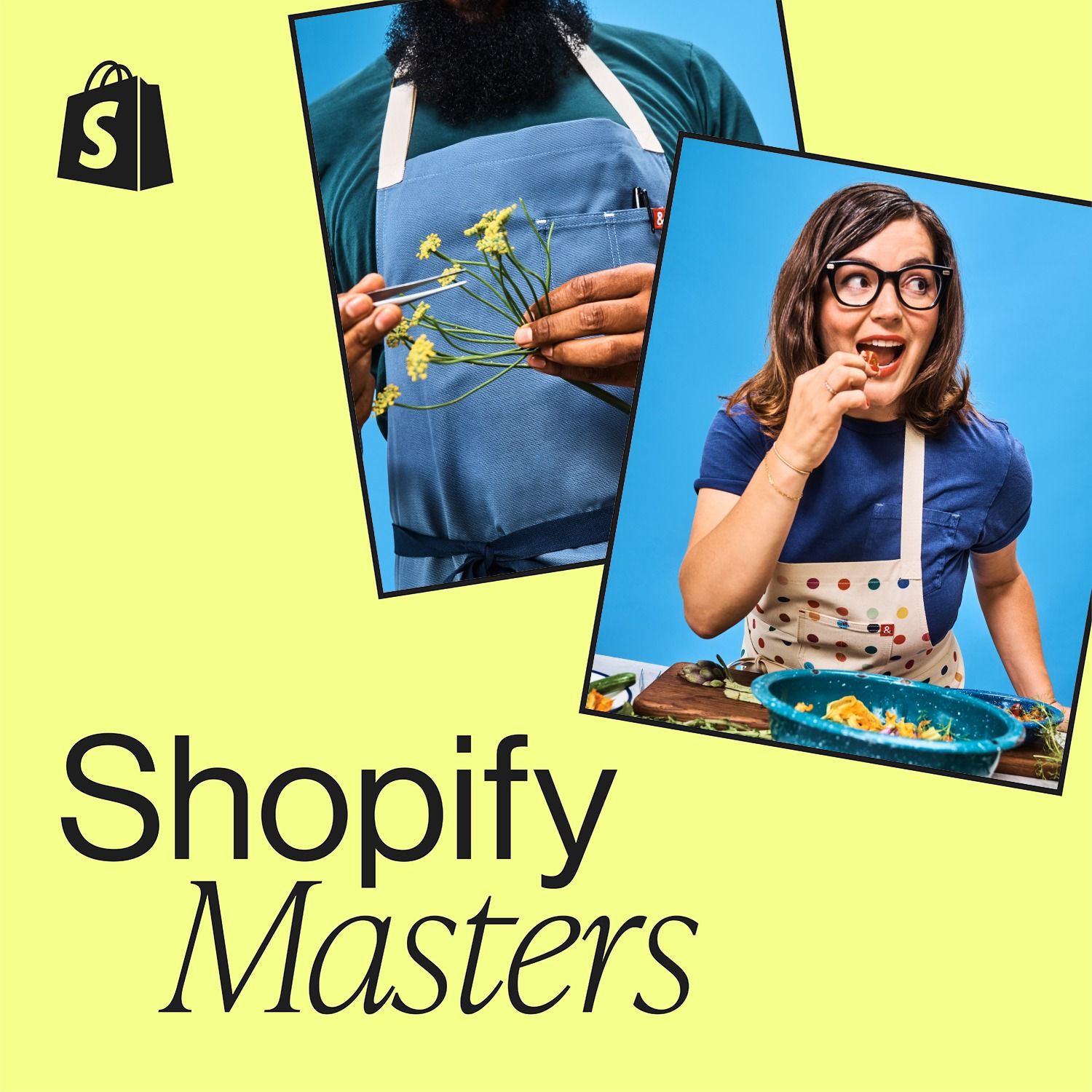
Hedley & Bennett founder Ellen Bennett, a line cook herself, used top chefs as a real-time focus group. By asking her target audience directly what was wrong with existing products and what they needed, she gathered all the building blocks to create a superior product without formal R&D.
Georges Salomon, founder of the legendary French company, personally sought out a young racer's critique of their ski boots, demonstrating the value of leaders connecting directly with ground-level users and employees for honest feedback, bypassing corporate hierarchy.
