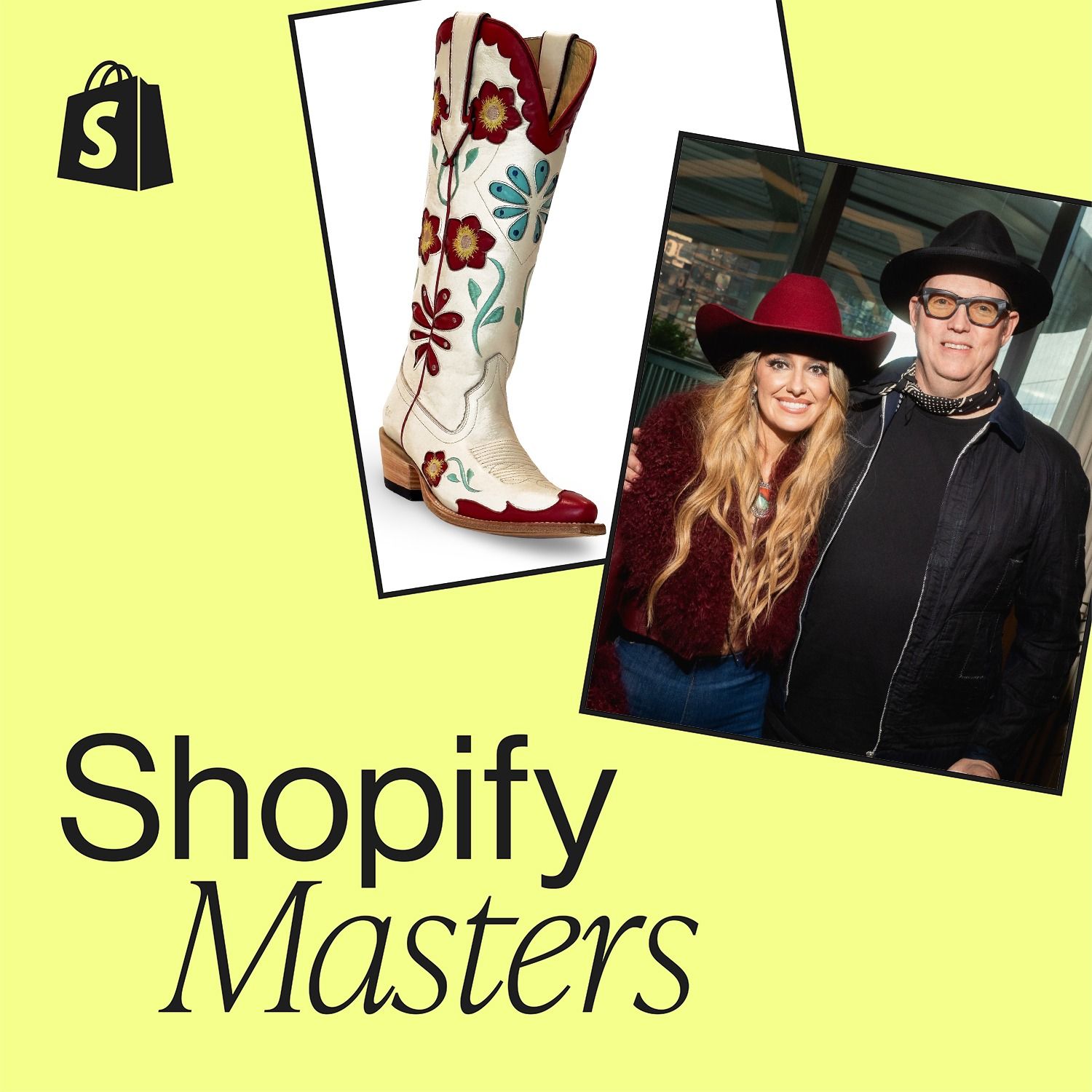
To truly understand his target customer, Petrie adopts their entire lifestyle, inspired by Ralph Lauren's method of "dressing for a movie." This immersion goes beyond research, influencing everything from product design to his personal interests, like what car he drives.
To avoid burnout, Michael Petrie advocates for maintaining a consistently fast operational tempo rather than cycling through intense sprints and lulls. He compares it to setting cruise control, arguing that predictable high speed is more manageable than volatile peaks and valleys.
Petrie argues that creating value for the customer is independent of the price point. A customer must perceive value whether an item is $20 or $1000. He distinguishes between a cheap, transactional item and a more expensive, investment-worthy product that lasts.
Instead of viewing missteps as failures, Petrie sees them as essential learning opportunities. For example, a marketing event that didn't drive bottom-funnel traffic isn't a mistake, but a valuable lesson that establishes a benchmark for improvement next year.
A decade ago, brands dictated trends. Today, the rise of social media and direct-to-consumer models has empowered consumers, making it harder for large brands to push a narrative. Brands must now listen to consumer feedback to stay relevant.
Lacking formal design training, Michael Petrie built his career by consistently volunteering for challenging assignments he had no experience with, from making runway shoes in Brazil to dress shoes in England. He believed in his ability to figure things out on the fly.
Petrie frames his design philosophy as a for-profit enterprise, not pure art. He compares his role to music producer Rick Rubin, arguing he's paid for his "taste level." His belief is that if he finds something visually pleasing and commercial, customers will too.
A celebrity's follower count doesn't tell the whole story. A country star's 3.6 million followers are more suburban and rural, requiring different marketing channels than a pop star's 375 million urban followers who are more active on social media.
Designer Michael Petrie sees a massive opportunity in the cultural intersection of country music with rap and rock, a trend he calls the "urbanization of country." This cultural shift informs his brand's future direction, anticipating new consumer tastes and styles.