Get your free personalized podcast brief
We scan new podcasts and send you the top 5 insights daily.
The ability to adapt and "reset priors" in response to market changes is more valuable than a rigid, unchangeable vision. Great founders constantly check their beliefs against reality and iterate quickly, a trait many VCs undervalue compared to a compelling initial pitch.

Related Insights
Since startups lack infinite time and money, an investor's key diligence question is whether the team can learn and iterate fast enough to find a valuable solution before resources run out. This 'learning velocity' is more important than initial traction or a perfect starting plan.

When meeting Cursor's founder, the investor felt an "electric energy" even as the founder was pivoting away from his original idea. This highlights that for elite early-stage investors, the founder's intrinsic drive and potential are the constant to bet on, as ideas will inevitably change.
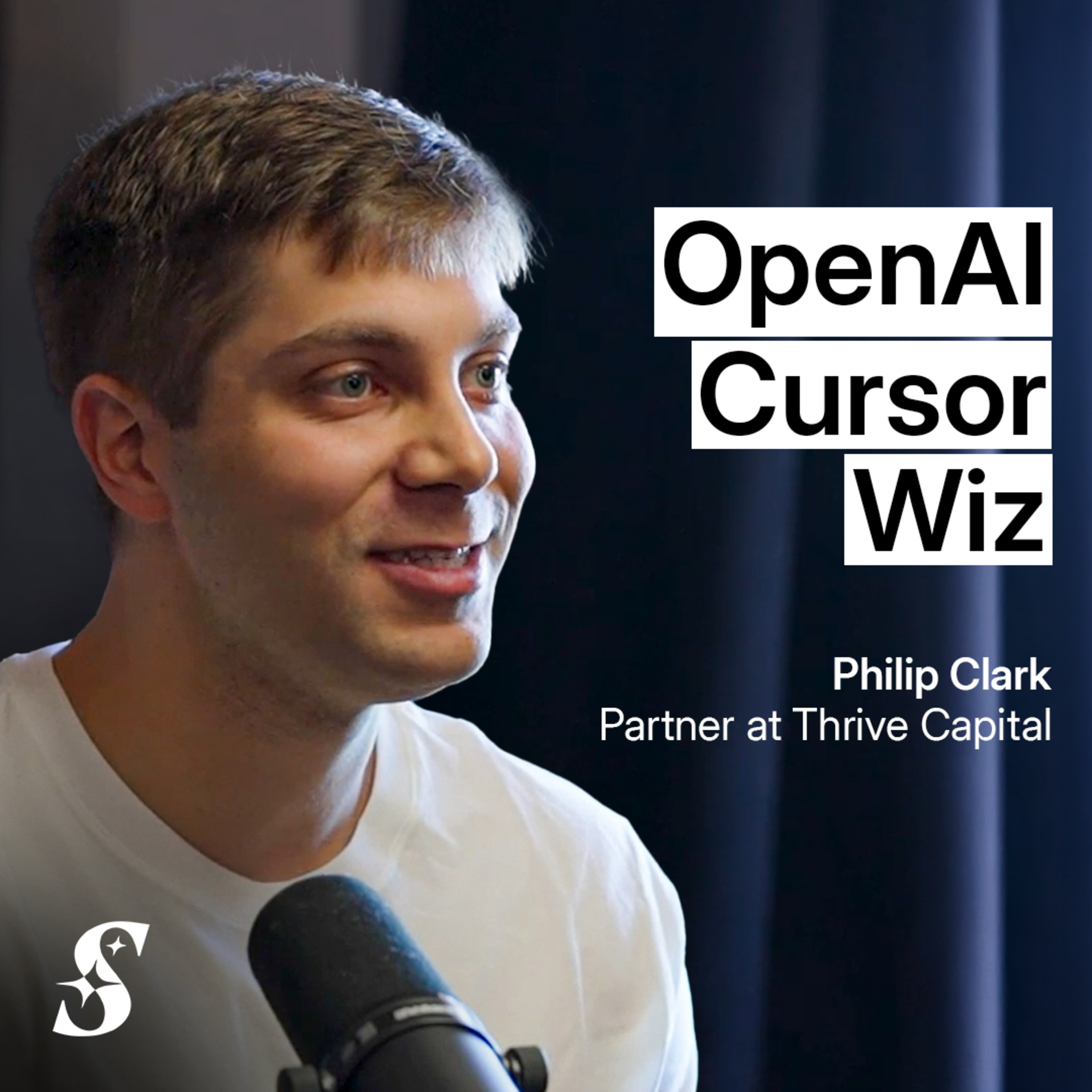
Top founders balance strong vision with flexibility. The mantra "strong opinions, loosely held" is key. While passionate, they aren't so married to their initial idea that ego prevents them from pivoting when faced with evidence of failure. This agility is crucial for survival, especially in early stages.

While product and market are crucial, the most important factor in an early-stage bet is the founder. This is because most startups pivot significantly. A resilient, adaptable founder who can execute through change is more valuable than a perfect initial idea, leading to the ranking: Founder > Market > Product.

A truly exceptional founder is a talent magnet who will relentlessly iterate until they find a winning model. Rejecting a partnership based on a weak initial idea is a mistake; the founder's talent is the real asset. They will likely pivot to a much bigger opportunity.

In early-stage investing, the quality of the founder can be more important than the initial business concept. A strong founder is seen as someone who will eventually find success, even if the first idea requires a pivot.
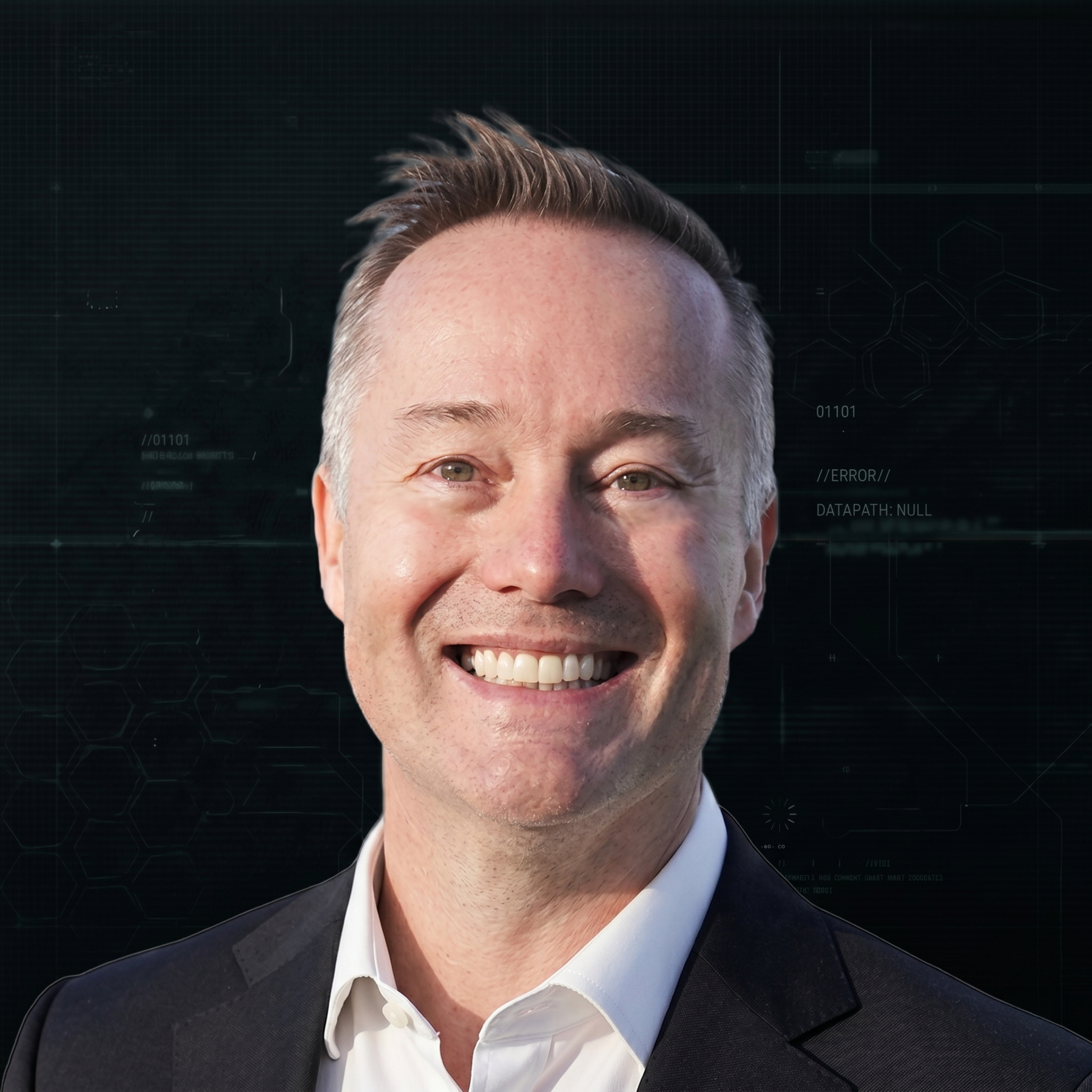
Investor Steve Mock states that since the AI landscape is in constant flux, the most critical investment criterion is a founding team's resilience. The ability to adapt and solve unforeseen problems is more valuable than a perfectly detailed but inevitably outdated business plan.

Venture investing is moving beyond pattern-matching for founders from top schools or AI labs. Citing lessons from Vinod Khosla, VC Sandhya Venkatechelam argues that a founder's potential and adaptability are better predictors of success, opening doors for unproven founders who lack a traditional "elite" background.

The most successful founders rarely get the solution right on their first attempt. Their strength lies in persistence combined with adaptability. They treat their initial ideas as hypotheses, take in new data, and are willing to change their approach repeatedly to find what works.

Successful people with unconventional paths ('dark horses') avoid rigid five or ten-year plans. Like early-stage founders, they focus on making the best immediate choice that aligns with their fulfillment, maintaining the agility to pivot. This iterative approach consistently outperforms fixed, long-term roadmaps.