Get your free personalized podcast brief
We scan new podcasts and send you the top 5 insights daily.
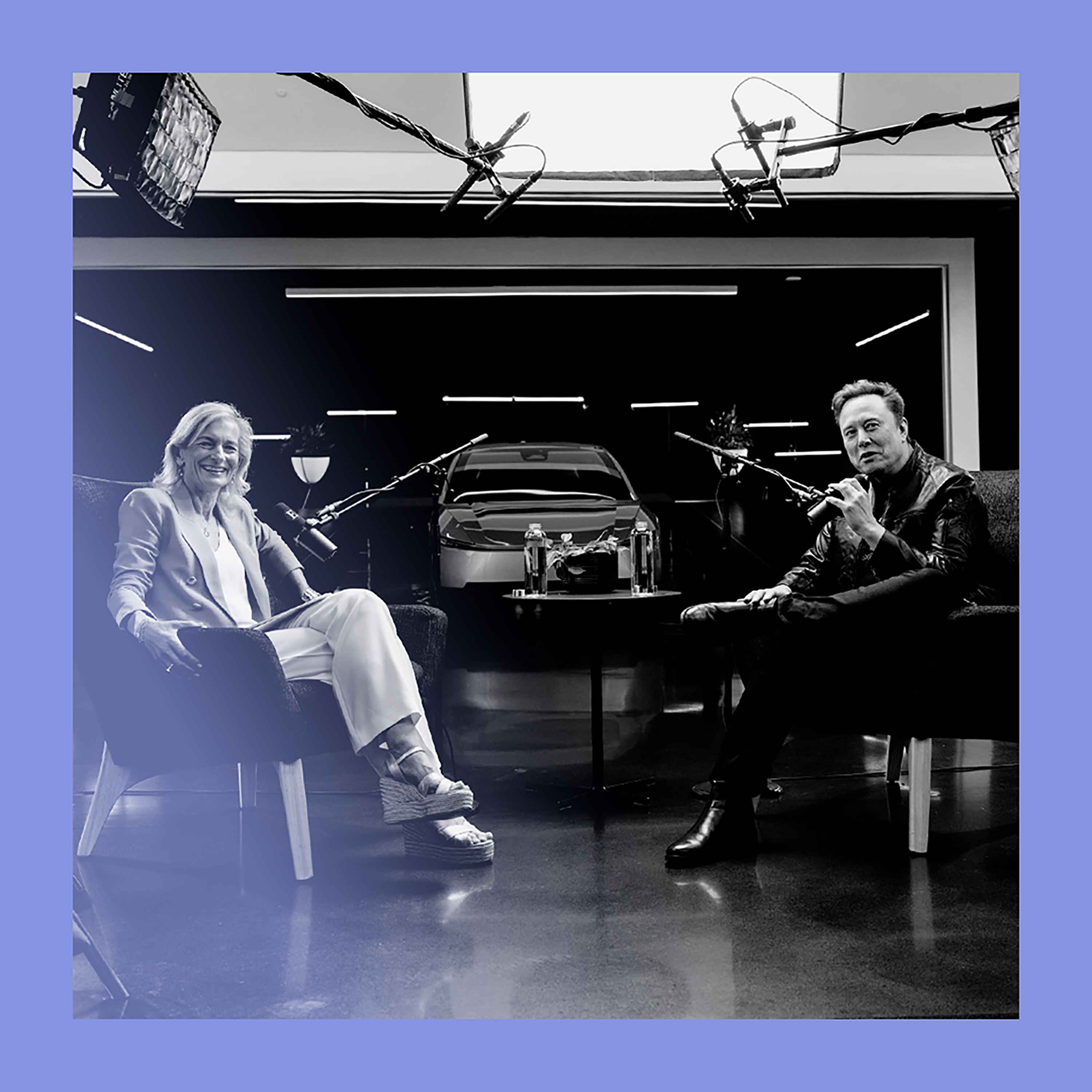
To ensure AI safety without waiting for regulation, Musk suggests that major AI labs (including those in China) should test each other's models pre-release. This creates a competitive incentive to find flaws and raises public alarm if a dangerous model is released, leveraging public opinion and legal liability as enforcement.

Related Insights
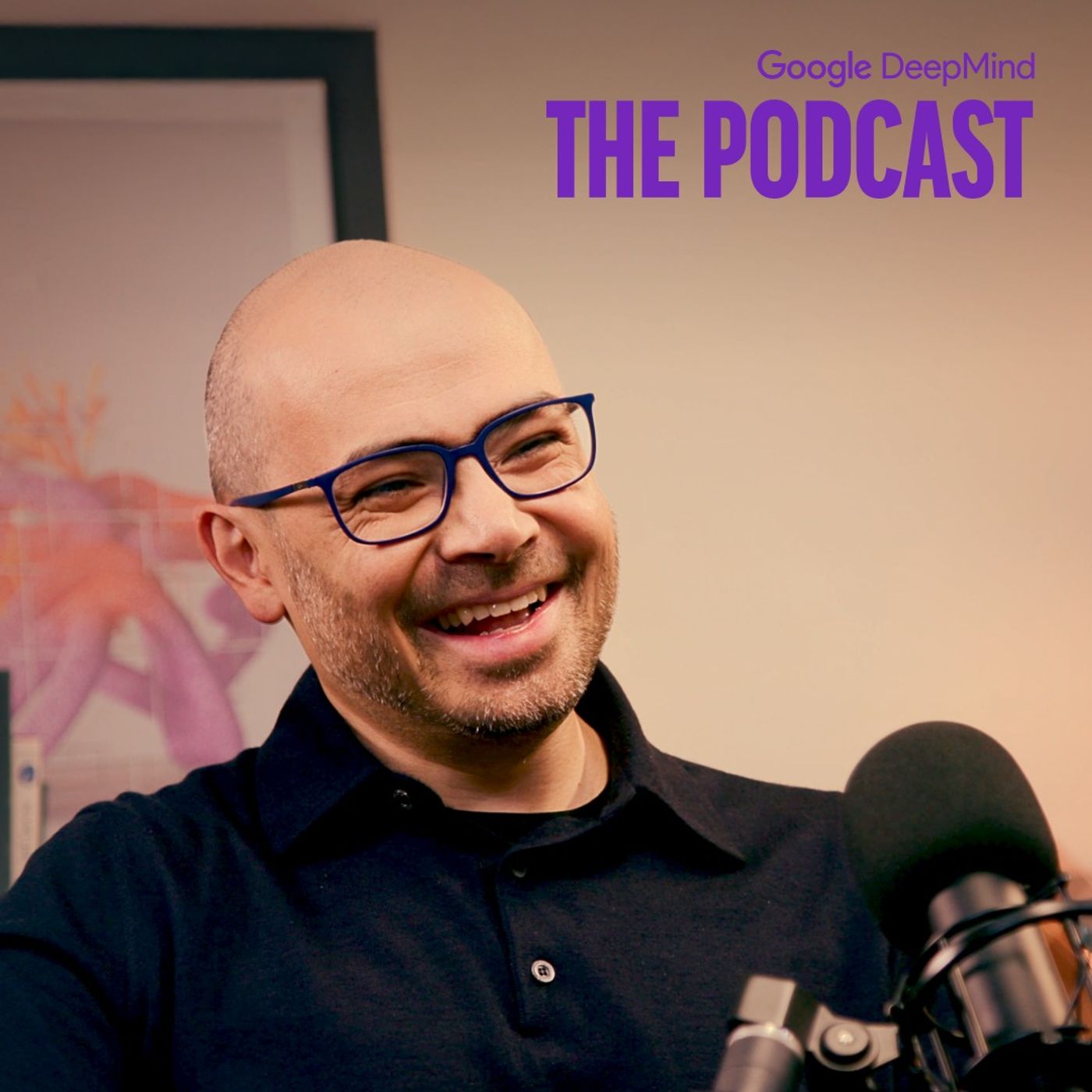
Demis Hassabis argues that market forces will drive AI safety. As enterprises adopt AI agents, their demand for reliability and safety guardrails will commercially penalize 'cowboy operations' that cannot guarantee responsible behavior. This will naturally favor more thoughtful and rigorous AI labs.
AI expert Max Tegmark argues that regulation, like the FDA for pharma, would shift incentives. Instead of a 'race to the bottom' on unchecked capabilities, companies would compete to be first to develop provably safe AI. This would create a golden age of innovation in areas like medicine while sidelining riskier applications.

Amidst complex discussions about AI alignment, Musk's most immediate and actionable safety proposal is surprisingly simple: have the leaders of the top AI companies hold a regular call to discuss safety and security issues. He suggests this should happen "immediately," despite personal rivalries.
Instead of direct regulation, the government could act as a reluctant mediator for AI safety. By setting a deadline for labs to form their own collaborative safety pact, it creates a powerful incentive: if they fail, the government will impose 'heavy-handed' and likely suboptimal regulations, an outcome all parties want to avoid.

An FDA-style regulatory model would force AI companies to make a quantitative safety case for their models before deployment. This shifts the burden of proof from regulators to creators, creating powerful financial incentives for labs to invest heavily in safety research, much like pharmaceutical companies invest in clinical trials.

For AI safety, Demis Hassabis advocates for an international regulatory body, similar to the International Atomic Energy Agency. This body would have technical experts who audit frontier models against agreed-upon benchmarks, checking for undesirable properties like deception and ensuring public confidence through independent verification.

The credibility of AI labs like OpenAI and Anthropic warning about existential risk is damaged by their simultaneous, intense competition. Instead of feuding, a more impactful first step would be for them to collaborate on a joint safety and pacing proposal, demonstrating genuine commitment before passing the problem to governments.

Instead of the "move fast and break things" ethos, AI safety should be modeled after complex, collaborative efforts like the global cooperation that fixed the ozone layer or Toyota's safety culture. These approaches prioritize systemic checks, collaboration, and distributed skills over individual genius.

The U.S. has a built-in mechanism for AI safety that precedes formal regulation: the court system. The potential for lawsuits (tort law) incentivizes model makers to act responsibly, acting as a form of self-regulation that doesn't require a slow-moving government bureaucracy.
A novel approach to AI safety is forcing labs to go public. The threat of a massive, immediate stock price drop after a safety incident (like a model escaping) would create a powerful financial incentive to prioritize control measures, potentially surpassing government regulation in effectiveness.
