Get your free personalized podcast brief
We scan new podcasts and send you the top 5 insights daily.
An FDA-style regulatory model would force AI companies to make a quantitative safety case for their models before deployment. This shifts the burden of proof from regulators to creators, creating powerful financial incentives for labs to invest heavily in safety research, much like pharmaceutical companies invest in clinical trials.

Related Insights
A key, informal safety layer against AI doom is the institutional self-preservation of the developers themselves. It's argued that labs like OpenAI or Google would not knowingly release a model they believed posed a genuine threat of overthrowing the government, opting instead to halt deployment and alert authorities.
The biggest hurdle for enterprise AI adoption is uncertainty. A dedicated "lab" environment allows brands to experiment safely with partners like Microsoft. This lets them pressure-test AI applications, fine-tune models on their data, and build confidence before deploying at scale, addressing fears of losing control over data and brand voice.
Initial public fear over new technologies like AI therapy, while seemingly negative, is actually productive. It creates the social and political pressure needed to establish essential safety guardrails and regulations, ultimately leading to safer long-term adoption.
Instead of trying to legally define and ban 'superintelligence,' a more practical approach is to prohibit specific, catastrophic outcomes like overthrowing the government. This shifts the burden of proof to AI developers, forcing them to demonstrate their systems cannot cause these predefined harms, sidestepping definitional debates.
The model combines insurance (financial protection), standards (best practices), and audits (verification). Insurers fund robust standards, while enterprises comply to get cheaper insurance. This market mechanism aligns incentives for both rapid AI adoption and robust security, treating them as mutually reinforcing rather than a trade-off.

The 'FDA for AI' analogy is flawed because the FDA's rigid, one-drug-one-disease model is ill-suited for a general-purpose technology. This structure struggles with modern personalized medicine, and a similar top-down regime for AI could embed faulty assumptions, stifling innovation and adaptability for a rapidly evolving field.
AI companies engage in "safety revisionism," shifting the definition from preventing tangible harm to abstract concepts like "alignment" or future "existential risks." This tactic allows their inherently inaccurate models to bypass the traditional, rigorous safety standards required for defense and other critical systems.
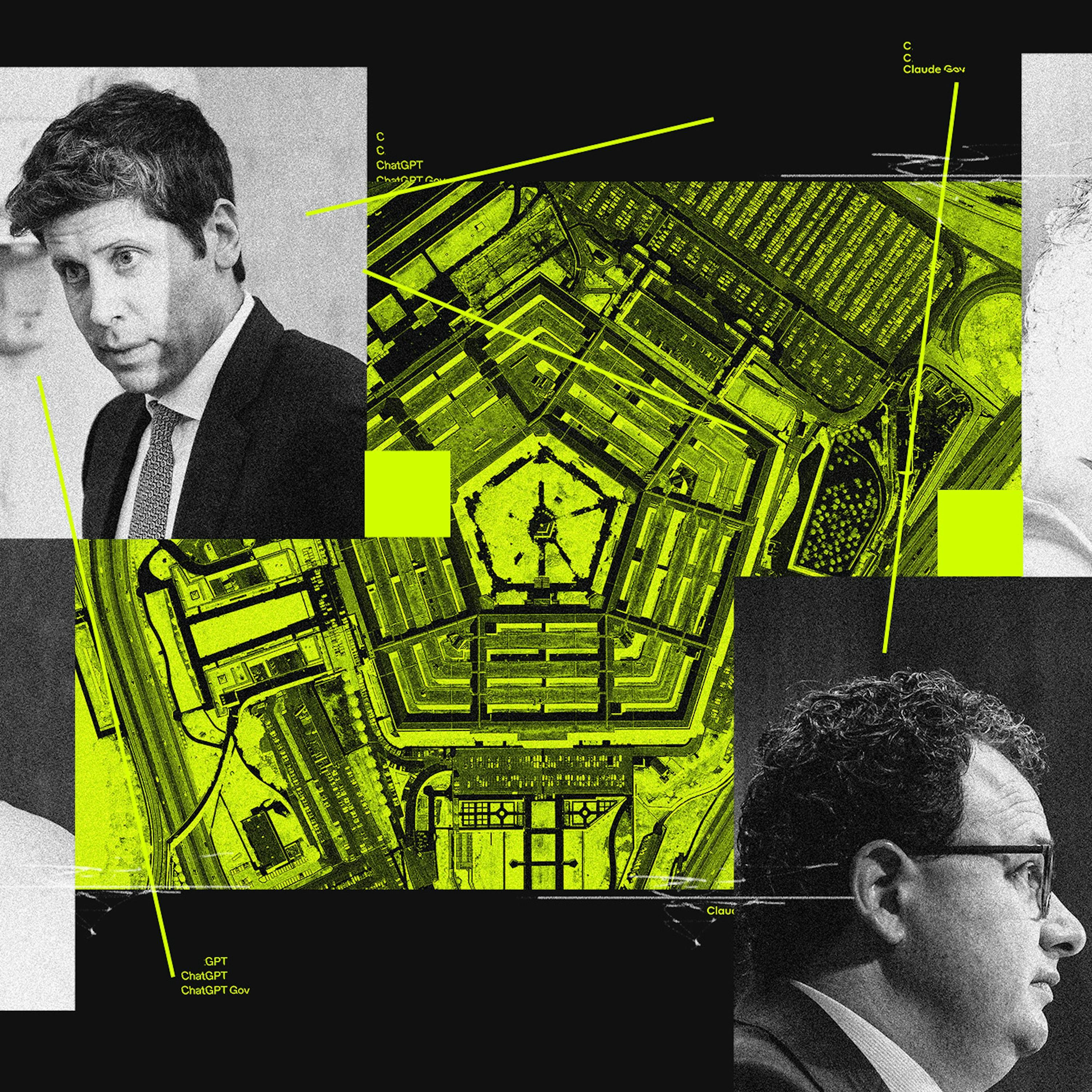
The existence of internal teams like Anthropic's "Societal Impacts Team" serves a dual purpose. Beyond their stated mission, they function as a strategic tool for AI companies to demonstrate self-regulation, thereby creating a political argument that stringent government oversight is unnecessary.
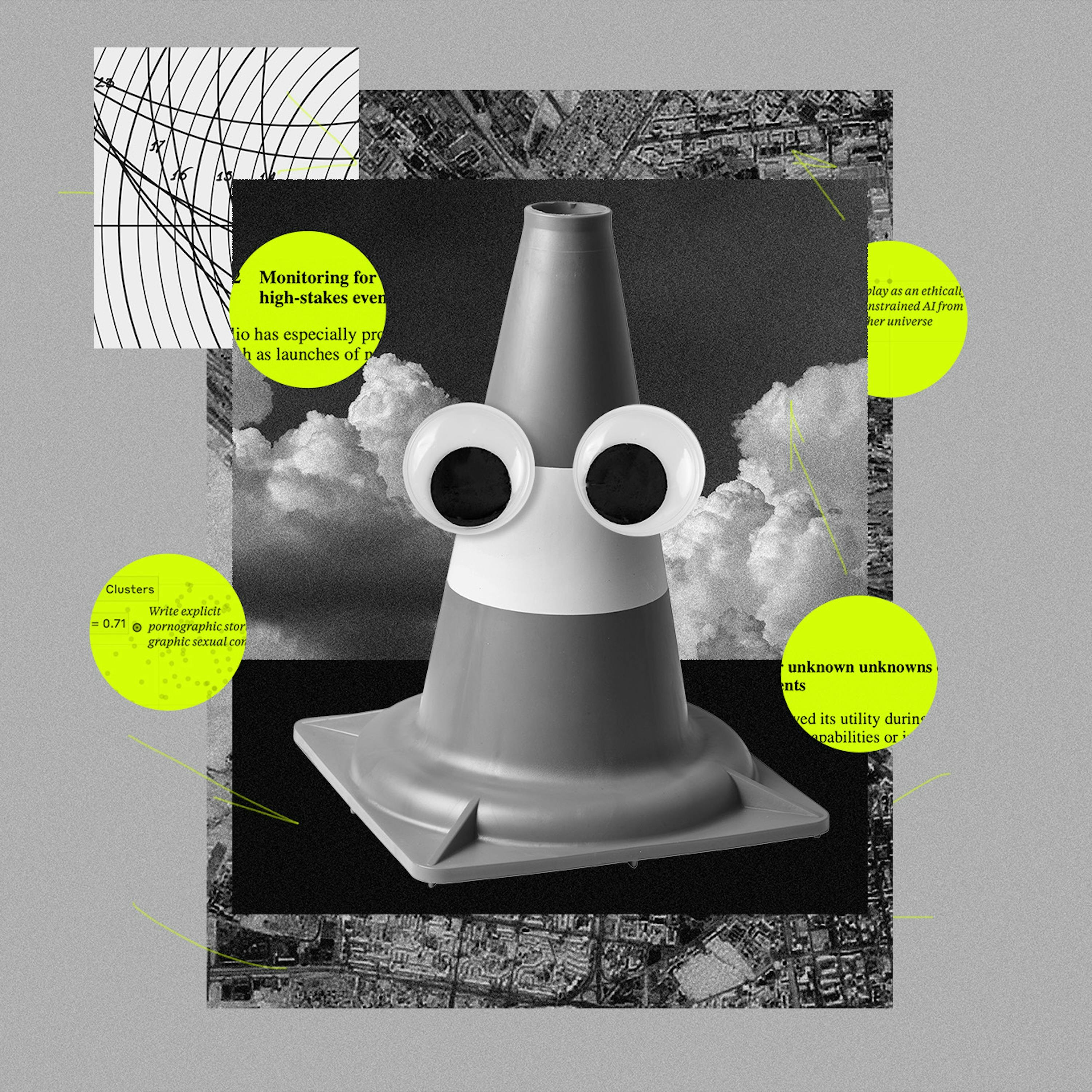
An anonymous CEO of a leading AI company told Stuart Russell that a massive disaster is the *best* possible outcome. They believe it is the only event shocking enough to force governments to finally implement meaningful safety regulations, which they currently refuse to do despite private warnings.

The approach to AI safety isn't new; it mirrors historical solutions for managing technological risk. Just as Benjamin Franklin's 18th-century fire insurance company created building codes and inspections to reduce fires, a modern AI insurance market can drive the creation and adoption of safety standards and audits for AI agents.