Get your free personalized podcast brief
We scan new podcasts and send you the top 5 insights daily.
AI expert Max Tegmark argues that regulation, like the FDA for pharma, would shift incentives. Instead of a 'race to the bottom' on unchecked capabilities, companies would compete to be first to develop provably safe AI. This would create a golden age of innovation in areas like medicine while sidelining riskier applications.

Related Insights
The debate pitting AI safety against AI opportunity presents a false choice. Historical parallels, like the railroad industry, show that safety regulations (e.g., standardized tracks, air brakes) were essential for enabling greater speed, reliability, and economic potential. Trustworthy AI will unlock greater opportunity.

When addressing AI's 'black box' problem, lawmaker Alex Boris suggests regulators should bypass the philosophical debate over a model's 'intent.' The focus should be on its observable impact. By setting up tests in controlled environments—like telling an AI it will be shut down—you can discover and mitigate dangerous emergent behaviors before release.

The 'FDA for AI' analogy is flawed because the FDA's rigid, one-drug-one-disease model is ill-suited for a general-purpose technology. This structure struggles with modern personalized medicine, and a similar top-down regime for AI could embed faulty assumptions, stifling innovation and adaptability for a rapidly evolving field.

In high-stakes industries like finance and healthcare, the ability to deploy autonomous AI is directly tied to the ability to prove it operates within safe, predefined boundaries. Rather than slowing innovation, robust governance is the prerequisite for safely activating autonomous systems in regulated environments.

Demis Hassabis argues that market forces will drive AI safety. As enterprises adopt AI agents, their demand for reliability and safety guardrails will commercially penalize 'cowboy operations' that cannot guarantee responsible behavior. This will naturally favor more thoughtful and rigorous AI labs.

Mark Cuban advocates for a specific regulatory approach to maintain AI leadership. He suggests the government should avoid stifling innovation by over-regulating the creation of AI models. Instead, it should focus intensely on monitoring the outputs to prevent misuse or harmful applications.

MedTech AI companies can speed up regulatory approval by building a trusted, real-time post-market surveillance system. This shifts the burden of proof from pre-market studies to continuous real-world evidence, giving regulators the confidence to approve innovations faster, turning them from blockers into partners.
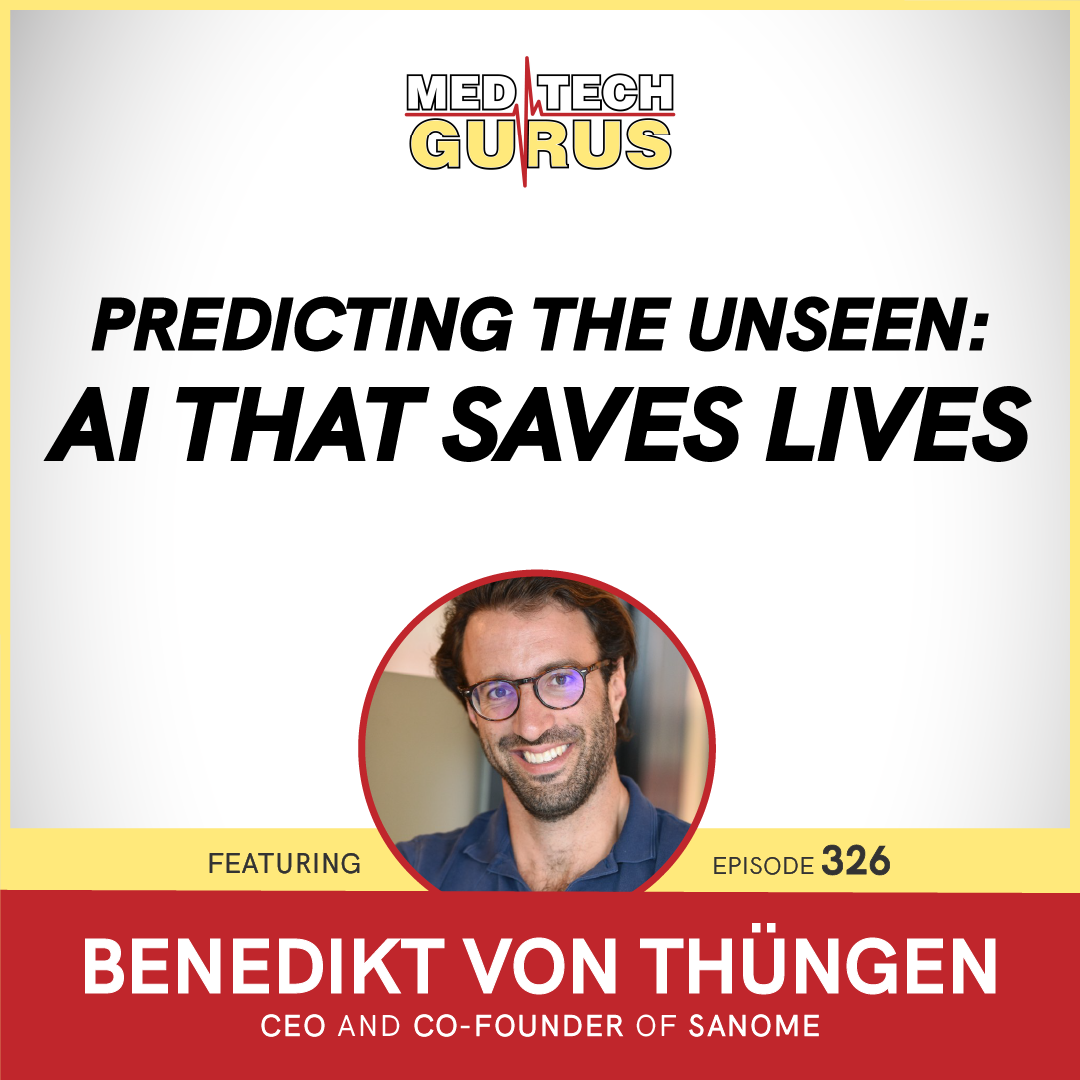
An FDA-style regulatory model would force AI companies to make a quantitative safety case for their models before deployment. This shifts the burden of proof from regulators to creators, creating powerful financial incentives for labs to invest heavily in safety research, much like pharmaceutical companies invest in clinical trials.
Contrary to the belief that compliance stifles progress, regulations provide the necessary boundaries for AI to develop safely and consistently. These 'ground rules' don't curb innovation; they create a stable 'playing field' that prevents harmful outcomes and enables sustainable, trustworthy growth.

The competitive landscape of AI development forces a race to the bottom. Even companies that want to prioritize safety must release powerful models quickly or risk losing funding, market share, and a seat at the policy table. This dynamic ensures the fastest, most reckless approach wins.
