Get your free personalized podcast brief
We scan new podcasts and send you the top 5 insights daily.
To symbolize the unequal distribution of profits in the cocoa supply chain, Tony's Chocolonely designed its chocolate bars with unevenly sized pieces. This turns the physical product itself into a powerful, tangible storytelling device that communicates the brand's core mission without words.

Related Insights
To truly change a brand's narrative, marketing's 'talking the talk' is insufficient. The product experience itself must embody the desired story. This 'walking the walk' through the product is the most powerful way to shape core brand perception and make the narrative shareable.

Inspired by the "Mad Men" 'It's Toasted' pitch, Norwegian Wool markets its production processes, like letting fabric rest for a month. These details, often taken for granted internally, become powerful narrative tools that convey quality, craftsmanship, and a compelling story to customers.

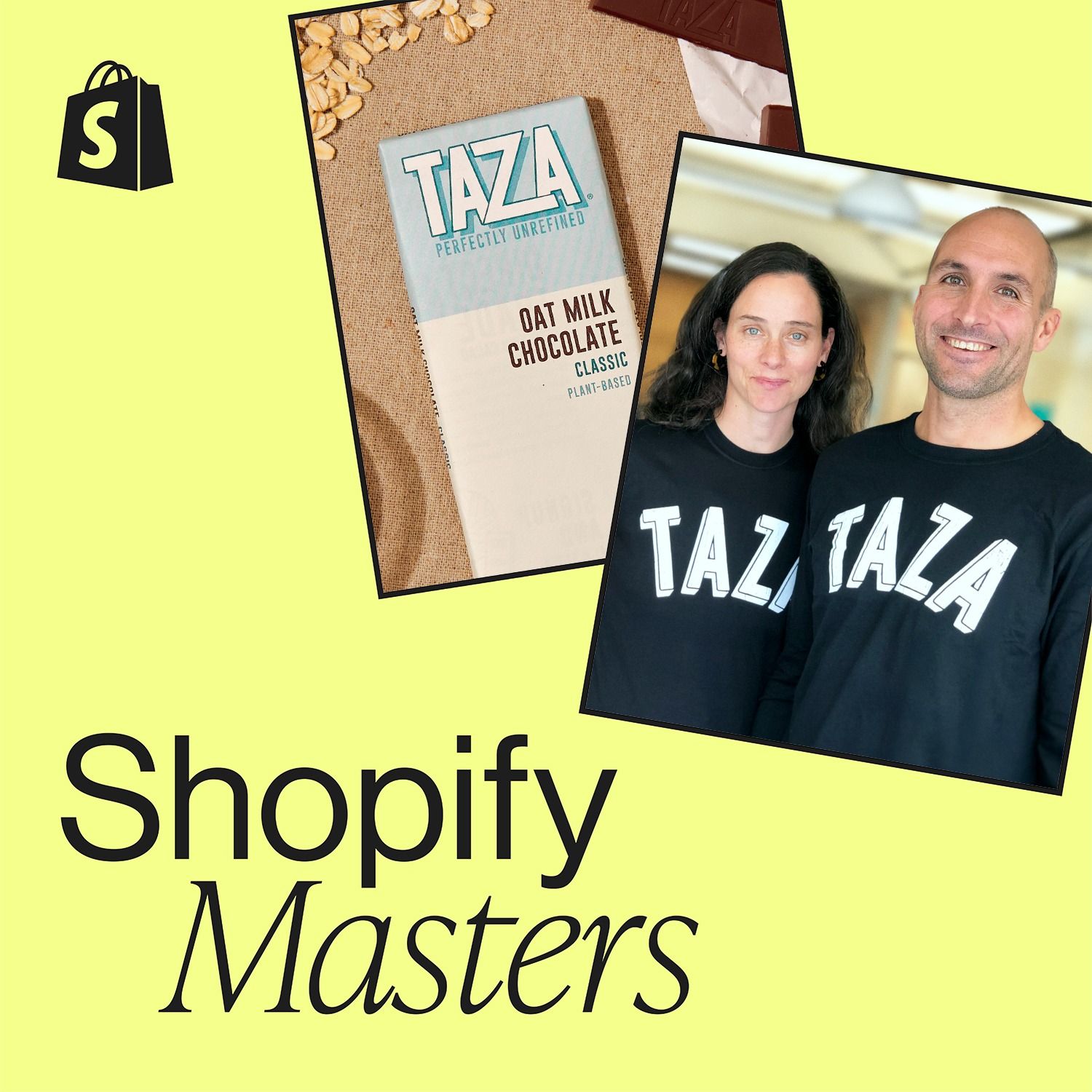
In a market dominated by corporations, Taza found a defensible niche by making a "polarizing" stone-ground chocolate. This strategy of appealing intensely to a core group, rather than pleasing the mass market, was key to their survival and success as a small business.
Instead of ads, create physical objects or experiences that embody a brand's story. These "narrative objects," like The Ordinary's "Periodic Fable," generate more lasting impact and conversation because the object becomes the story, not just a vehicle for it.
To differentiate in a crowded market, Spot & Tango wrapped its dog food in pink butcher paper. This sensory detail immediately associated the product with a premium, local, human-grade deli experience, effectively communicating brand values without words.

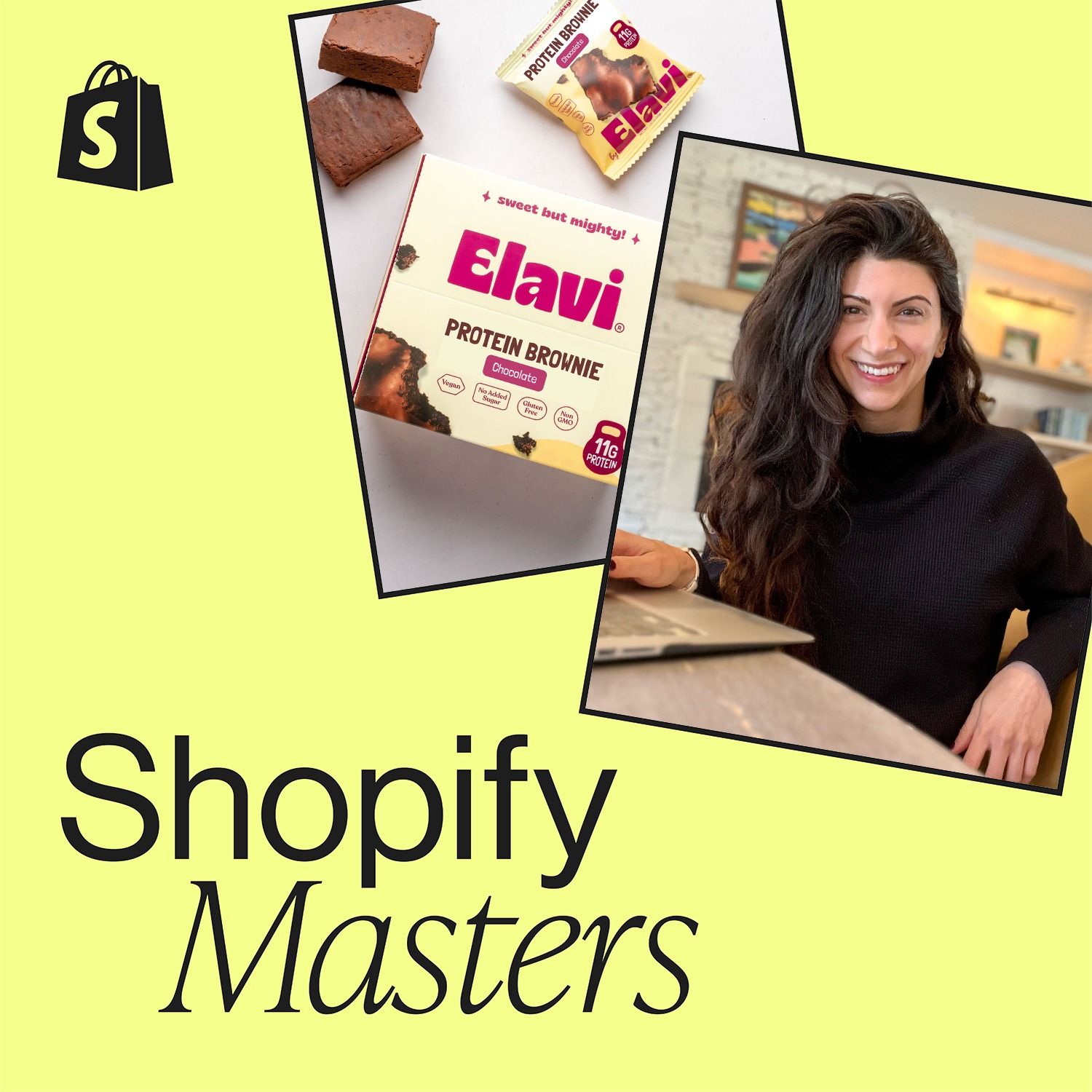
Alave made a bold packaging decision: making the product type (“Protein Brownie”) the main focus, not the brand logo. They gambled that in the split-second a customer looks at a shelf, clearly communicating *what* the product is proves more effective for a new brand than establishing *who* they are. The strategy crushed.
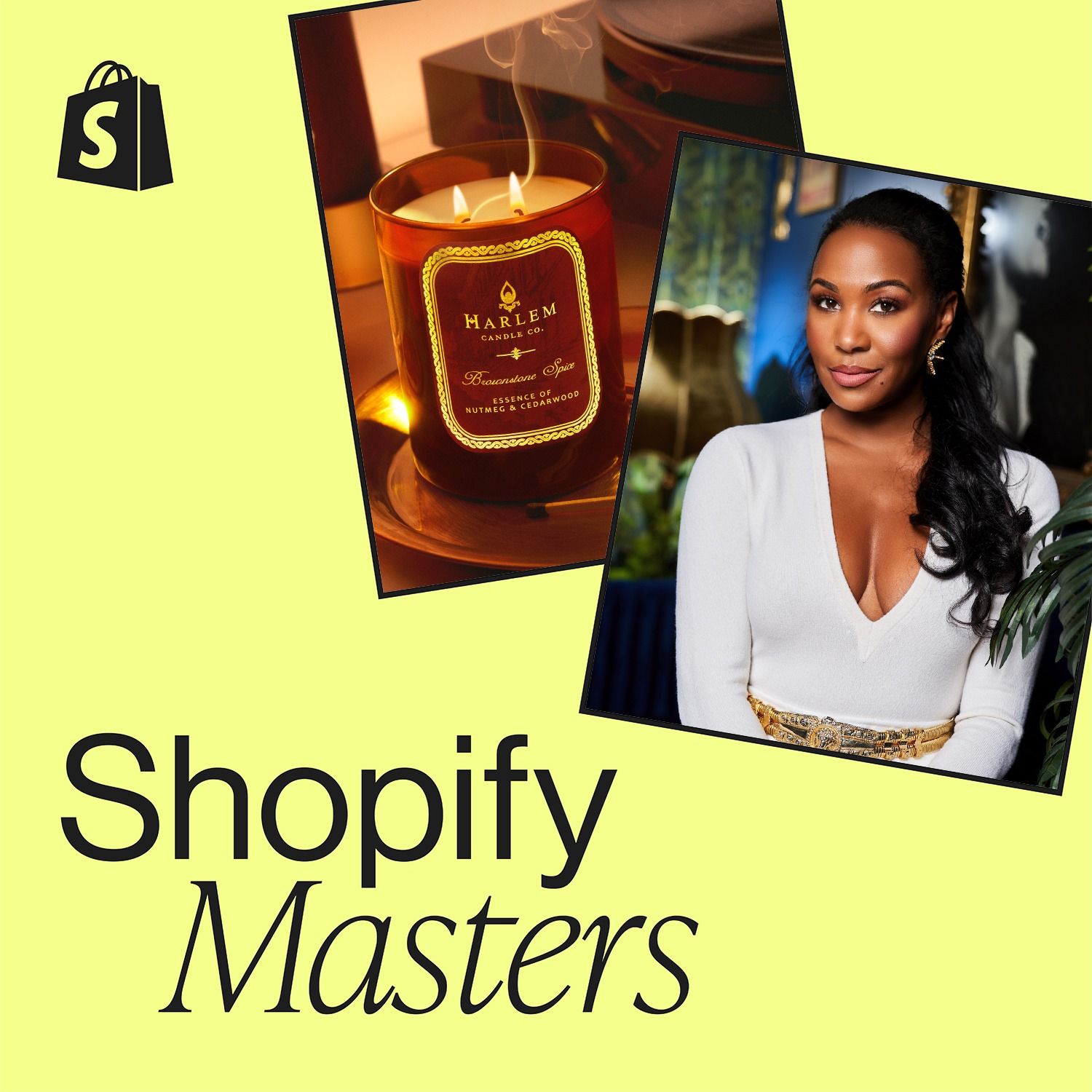
To stand out in the saturated candle market, founder Terry Johnson drew from her personal passion for the Harlem Renaissance, inspired by her time studying in Paris. This authentic connection to a specific cultural history gave the brand a unique “soul” that resonated deeply with customers.
Tony's Chocolonely intentionally left a day empty in its advent calendar to symbolize unfair wages in the cocoa supply chain. The resulting outrage from disappointed children became a national news story, powerfully making their point about the real-world consequences of inequality.
Taza's attempts to go mass-market with lower prices or "fun flavors" failed. They found success by listening to their core customers who wanted intense cacao flavor. Their #1 selling product, a 95% dark bar, proved the value of doubling down on their super-niche identity.
The 124-year-old candy brand Sweethearts stays culturally relevant by crowdsourcing new messages annually. This year's phrases like "split rent" and "share login" directly tap into the current economic anxieties of its customer base, turning a simple confection into a timely cultural commentary and generating buzz.
