Get your free personalized podcast brief
We scan new podcasts and send you the top 5 insights daily.
The proliferation of streaming services and complex monetization models has created a confusing, frustrating experience for viewers. The industry's focus on subscriber retention and ad revenue has led to a fragmented content landscape that undermines the core value proposition of on-demand entertainment.

Related Insights
The Fox-Roku merger highlights a key vulnerability in streaming: services without a distinct, defensible value proposition (like sports for ESPN or kids' content for Disney) will struggle to remain independent. Companies with a generic content library are prime targets for acquisition in the ongoing media consolidation wave.

By commanding high subscription prices, Netflix made it difficult for others to compete on the same terms. This pushed rivals into the Free Ad-Supported Television (FAST) space. Now, Netflix faces a market it inadvertently created, pressuring it to adopt FAST and bundling to continue growing.

Unlike ad-funded broadcast TV, streaming services rely on subscriber acquisition. This model makes long-running shows like 'ER' economically inefficient. After a few seasons, a show's ability to attract new users drops, making it cheaper for the platform to cancel it and launch a new series.

Leagues maximize revenue by selling broadcast rights in multiple packages to different streamers. This forces fans to subscribe to several expensive services to follow a single team, costing upwards of $650 per season. This poor, costly user experience makes piracy a rational economic choice for many fans, regardless of income.

Ad-supported models (AVOD) create a complex system with creators, audiences, platforms, and advertisers, where someone is always losing. Subscription models (SVOD) simplify the business into a direct creator-to-audience relationship, making it more stable and sustainable.

Disney's brand is built on scarce, high-quality event films that become cultural moments. Top-tier streaming services require a constant "fire hose" of new content to reduce churn. This fundamental conflict forces a quantity-over-quality model that risks diluting the very brand equity that makes Disney special.
With subscriber growth slowing, Netflix's key metric becomes share of user attention. This strategic shift is driving its diversification into live sports, gaming, and other formats to increase daily engagement and own more of a consumer's non-work hours.

The traditional cable bundle was despised for forcing consumers to buy unwanted channels. Now, in the fragmented streaming world, there's a nostalgic desire for a single, all-in-one service. This reveals a deep irony: consumers fought for unbundling only to miss the simplicity of the old, hated model.

Netflix was reportedly stunned by HBO's high churn rates. This highlights a fundamental problem: when a service's value is tied to a few tentpole shows, subscribers sign up for one show and leave when it's over. The lack of a deep, consistently engaging content library makes churn, not just acquisition, the biggest business threat.
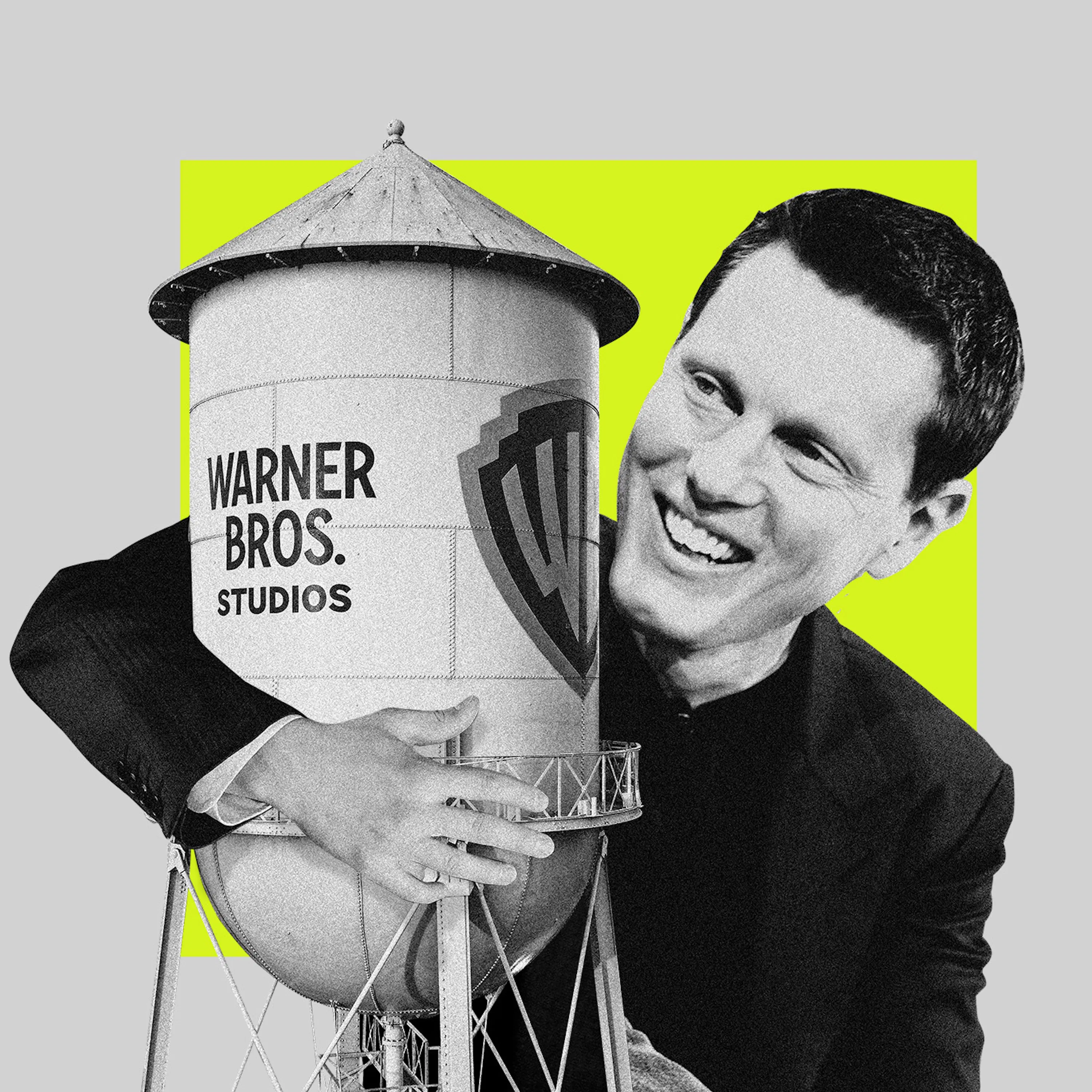
The concept of a TV network brand is obsolete in the streaming era. Viewers select content from a grid of 'tiles' on services like Netflix, with little awareness or loyalty to the studio or network that produced a show. This fundamentally devalues the traditional network model.
