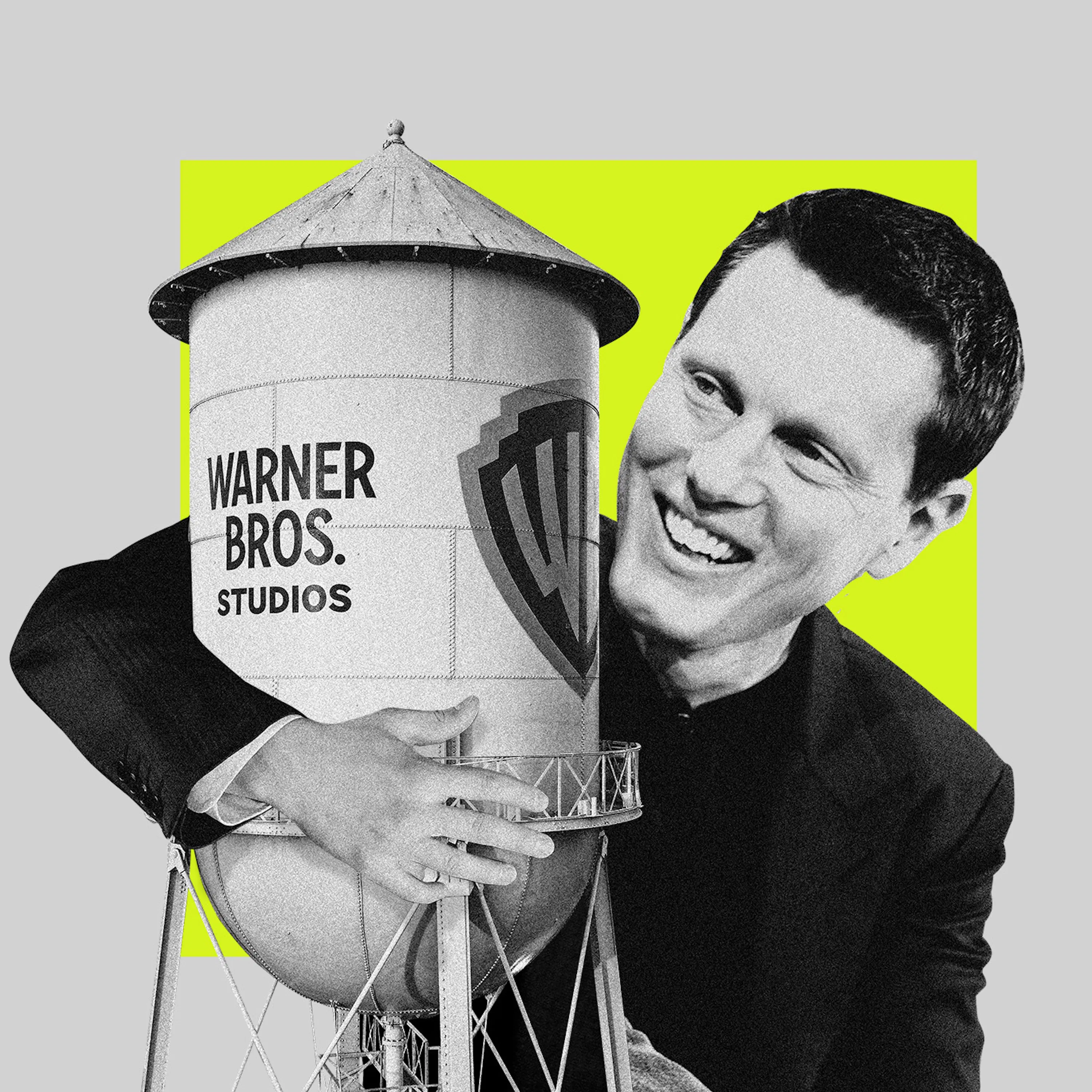
A recurring pattern shows that companies acquiring Warner Bros. (AOL, AT&T, Discovery) ultimately fail, saddled with debt and regret. The Ellison family is betting they can break this historical curse, despite the media industry's massive transformation and the asset's track record of destroying its owners.
The Ellison family is leveraging its fortune to acquire Warner Bros. as an accelerant, aiming to quickly achieve the scale and content library that took Netflix over a decade to build. They are choosing to buy market position rather than build it, accepting massive debt as the cost of speed.
While AI could lower production costs for studios like Paramount, its greater impact may be empowering millions of creators on platforms like YouTube. This could create a competitive "sea of content" that erodes the value of the very IP being acquired, presenting a major threat that legacy media isn't discussing.
The core challenge for Paramount is not just content or technology, but breaking into a user's daily routine like Netflix. Services like HBO Max are used episodically—viewers tune in for a specific show then leave. Achieving "daily use" status, where users open the app just to be entertained, is the ultimate goal and a monumental hurdle.
A critical, overlooked risk is the plan to move all streaming operations to Oracle Cloud, a platform without a track record in handling large-scale video like competitors AWS and Google Cloud. This technology migration is a massive bet that could either become a catastrophic failure or a major showcase for Oracle's capabilities.
The "shitty assets" of linear cable networks, which competitors like Netflix didn't want, were a key part of Ellison's bid. While in secular decline, these networks generate significant cash flow. This cash is required to service the massive debt load taken on for the deal, making the dying part of the business a necessary component.
Netflix was reportedly stunned by HBO's high churn rates. This highlights a fundamental problem: when a service's value is tied to a few tentpole shows, subscribers sign up for one show and leave when it's over. The lack of a deep, consistently engaging content library makes churn, not just acquisition, the biggest business threat.
Services like Paramount rely heavily on third-party "channel stores" like Amazon for subscribers, ceding customer ownership and app usage. To become a top-tier player like Netflix or Disney, the new entity may need to pull off these platforms, forcing a strategic choice: go it alone with massive marketing costs or remain dependent on aggregators.