Get your free personalized podcast brief
We scan new podcasts and send you the top 5 insights daily.
With subscriber growth slowing, Netflix's key metric becomes share of user attention. This strategic shift is driving its diversification into live sports, gaming, and other formats to increase daily engagement and own more of a consumer's non-work hours.

Related Insights
The time Americans spent watching others play video games on platforms like Twitch and YouTube last year was double the time spent watching Netflix. This highlights that gaming has become a massive spectator medium, rivaling and surpassing traditional streaming entertainment in engagement.

The core challenge for Paramount is not just content or technology, but breaking into a user's daily routine like Netflix. Services like HBO Max are used episodically—viewers tune in for a specific show then leave. Achieving "daily use" status, where users open the app just to be entertained, is the ultimate goal and a monumental hurdle.
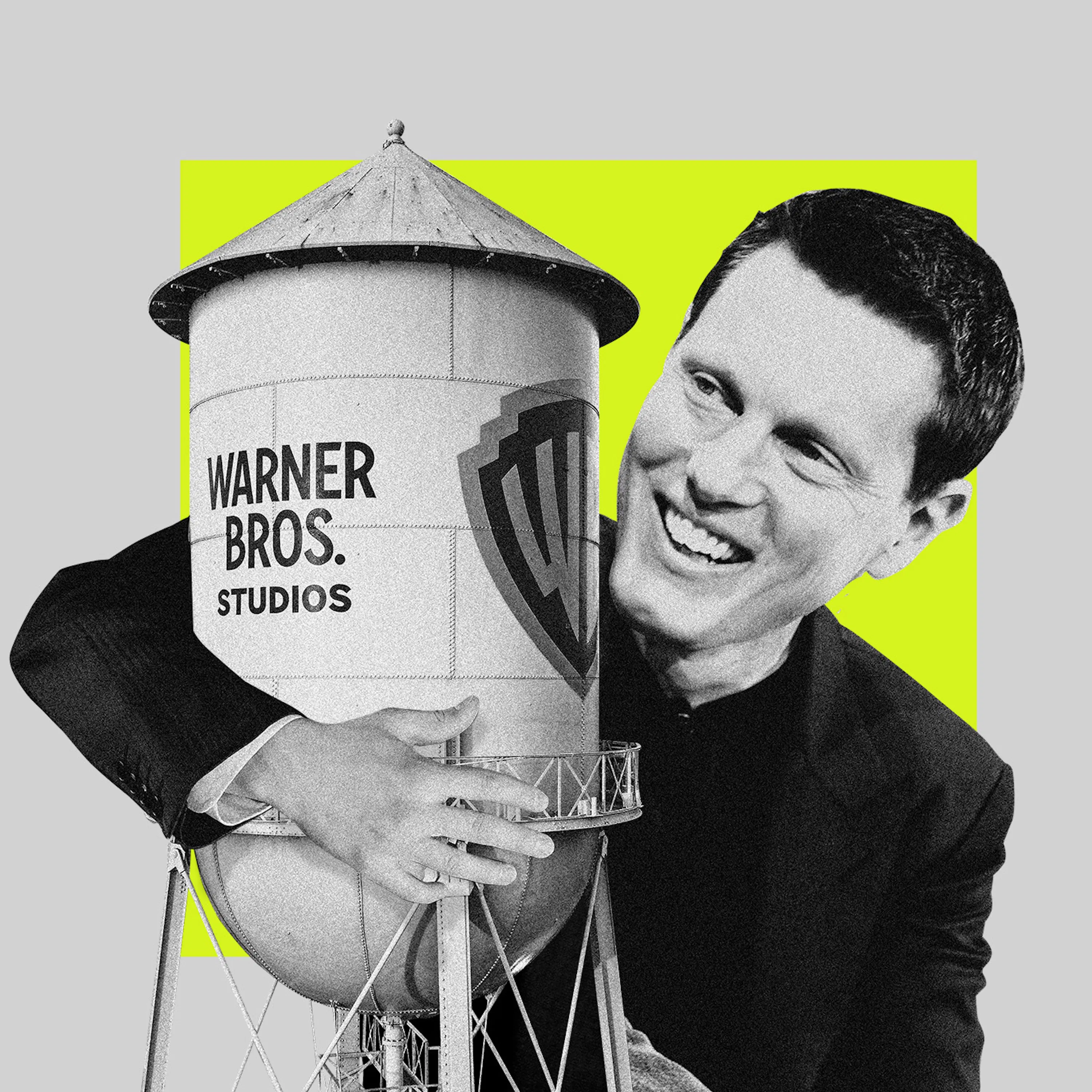
Netflix isn't buying Warner Bros. out of desire, but necessity. Facing plateauing engagement and competition from free platforms like YouTube, acquiring a massive IP library is a mandatory move to boost retention and hours watched, even if it's financially risky.

Expect Netflix to introduce a free, ad-supported tier (FAST) soon. This strategy will utilize its growing library of lower-cost content, like video podcasts, to create a top-of-funnel for paid subscriptions and directly compete with YouTube for ad dollars and daily engagement.
Unlike traditional broadcasters, Netflix wins in sports by acquiring high-impact, one-off events like NFL Christmas games or a Mike Tyson fight. This "spectacle" model drives massive viewership and buzz without the enormous financial burden of full-season contracts, making them uniquely profitable.

In the battle for attention against TikTok, Netflix's measure of success is shifting. A user opening Netflix to play a movie in the background while scrolling their phone is a victory, as it prevents them from opening a competitor's app. The primary goal is capturing the initial user action.
Instead of competing for expensive full-season sports rights, Netflix is selectively licensing unique, high-profile games like the MLB Home Run Derby. This "eventizing" strategy allows the streamer to enter the live sports market with lower risk while creating must-watch tentpoles that attract and retain subscribers.

As a mature company, Netflix faces slowing growth. It can pursue new subscribers through expensive live sports programming, which boosts ad revenue, but this simultaneously dilutes its high profit margins, creating a classic growth-versus-profitability trade-off.
Netflix's new partnerships for short videos aren't about content innovation but a strategic move to combat 'YouTube envy.' They aim to increase daily user engagement and ad inventory, shifting from an evening-only platform to an all-day destination.
Services like HBO Max rely on occasional "FOMO TV" hits (e.g., *White Lotus*), but their weakness is low daily engagement. Netflix's dominance stems from its daily-use nature, which generates vast data to train its powerful content discovery algorithm, creating a moat that competitors struggle to cross.
