Get your free personalized podcast brief
We scan new podcasts and send you the top 5 insights daily.
Ad-supported models (AVOD) create a complex system with creators, audiences, platforms, and advertisers, where someone is always losing. Subscription models (SVOD) simplify the business into a direct creator-to-audience relationship, making it more stable and sustainable.

Related Insights
Journalists known for breaking a few big stories a year at established outlets find the independent model challenging. A subscription business demands consistent value, but the time required for sales, marketing, and administration detracts from the deep-dive reporting needed for major scoops, creating a difficult trade-off.

When launching its subscription service, Dropout theorized it could convert its large YouTube audience over a long period. They discovered that the segment of a free audience willing to convert to a paid product is a finite resource that gets exhausted much faster than anticipated.
Unlike transactional purchases requiring a proactive decision to buy, subscription models thrive on consumer inertia. Customers must take active, often difficult, steps to cancel, making it easier to simply continue paying. This capitalizes on a psychological flaw, creating exceptionally sticky revenue streams.
Limitless's subscription model is a strategic choice to avoid the pitfalls of ad-based platforms. By not needing to maximize engagement for advertisers, the company can align its incentives with user well-being, avoiding the need for 'rage bait' and other dopamine-hacking tricks that lead to negative outcomes.

Content creators can increase revenue by moving along a spectrum of monetization models, from low-risk affiliates and sponsorships to higher-risk, higher-reward options like white-labeling, taking equity in partner brands, and finally, owning their own product.

The $7B microdrama industry validated Quibi's short-form content idea but corrected its flawed business model. Instead of monthly subscriptions, successful apps use a freemium model with addictive cliffhangers that compel users to make small, frequent micropayments to continue watching.

The long-term monetization model for consumer LLMs is unlikely to be paid subscriptions. Instead, the market will probably shift toward free, ad- and commerce-supported models. OpenAI's challenge is to build these complex new revenue streams before its current subscription growth inevitably slows.
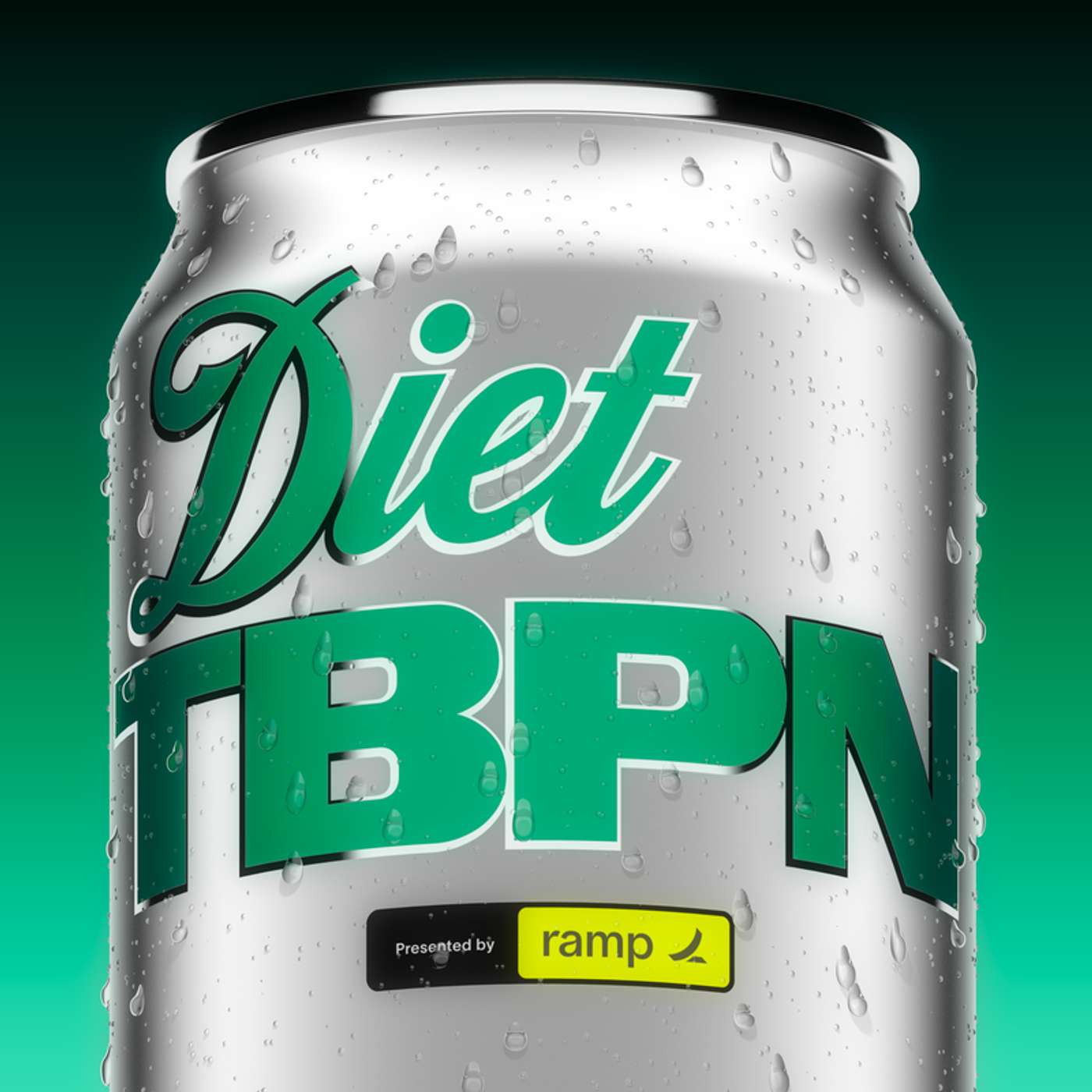
While many see YouTube Premium as just an ad-free video service, CEO Neal Mohan clarifies that it originated as a music subscription platform. A large portion of its 125 million subscribers are primarily music fans using it as their main music service, not just viewers who are avoiding ads on videos.
By framing Dropout as a "comedy SaaS," the CEO simplifies the business to its core transaction: subscribers pay a monthly fee for laughs. This mindset avoids the operational complexities and stakeholder demands common in traditional media companies, focusing purely on the creator-audience relationship.

By requiring paid subscribers to actively opt into the ad-free podcast experience, The Verge likely capitalizes on user inertia. This allows them to continue serving ads to paying users who don't change their settings, preserving ad revenue while still being able to promote the premium perk.
