Get your free personalized podcast brief
We scan new podcasts and send you the top 5 insights daily.
Early in his post-exit career, O'Leary's private equity partners advised him to keep a low profile, as is typical in the industry. He rejected this, choosing instead to build a media presence to ensure he was "in the narrative," which he later leveraged for business and political influence.

Related Insights
O'Leary demonstrates how media power translates into political influence. He used his reputation as a job creator to gain access to congressional staffers writing legislation, successfully negotiating changes to paragraphs he deemed harmful to small businesses, like shortening an IRS audit period.
In the long game of private equity, forgoing a short-term advantage when in a position of strength builds goodwill that will be reciprocated when you are in a weaker position. Exploiting power creates lasting mistrust that ultimately damages long-term success in a relationship-driven industry.

The concept of the "celebrity CEO" originated in the 1920s. The launch of new media like Time Magazine (1923) and Forbes (1917) shifted public focus, putting business leaders on magazine covers alongside sports heroes, making them aspirational figures and fueling public desire to invest.
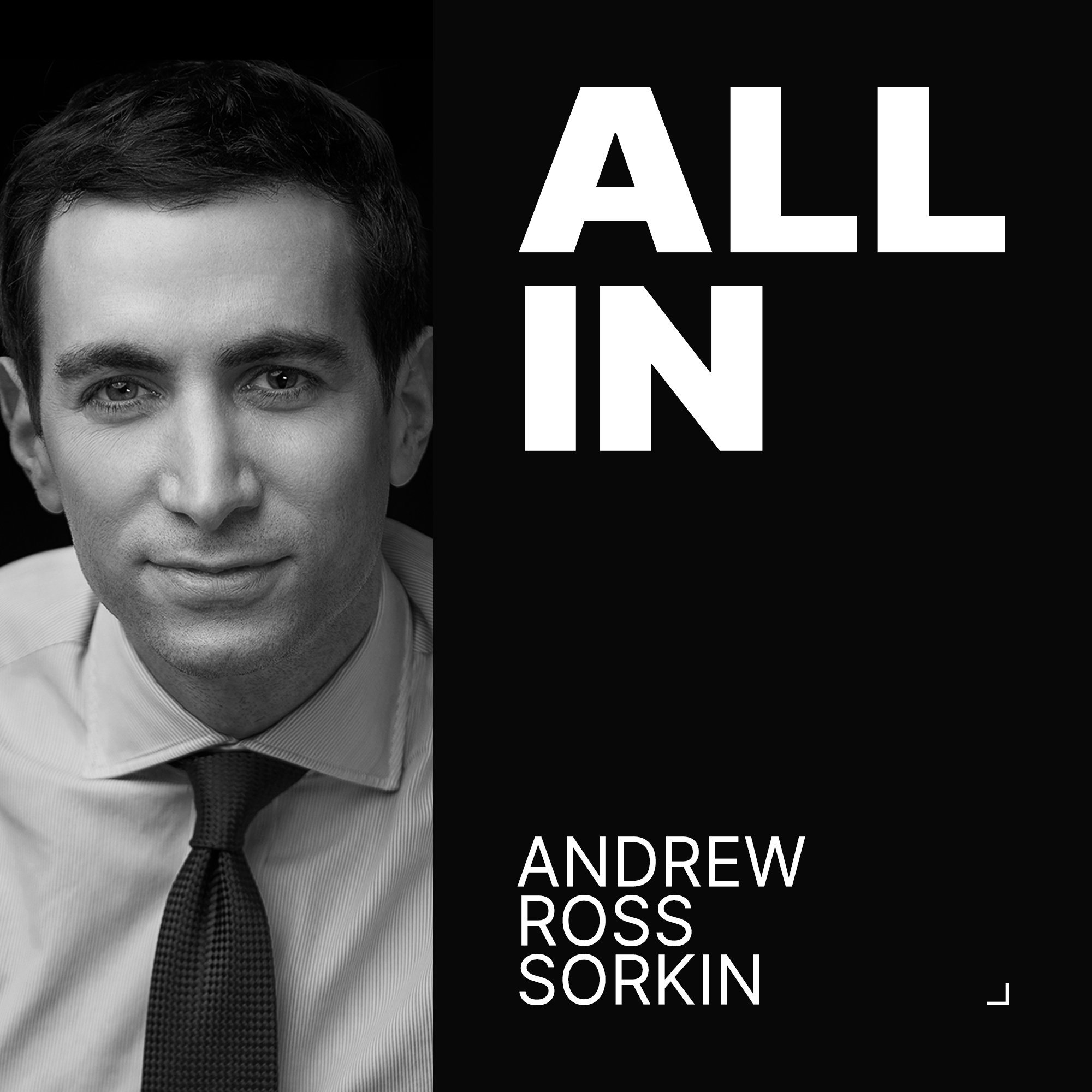
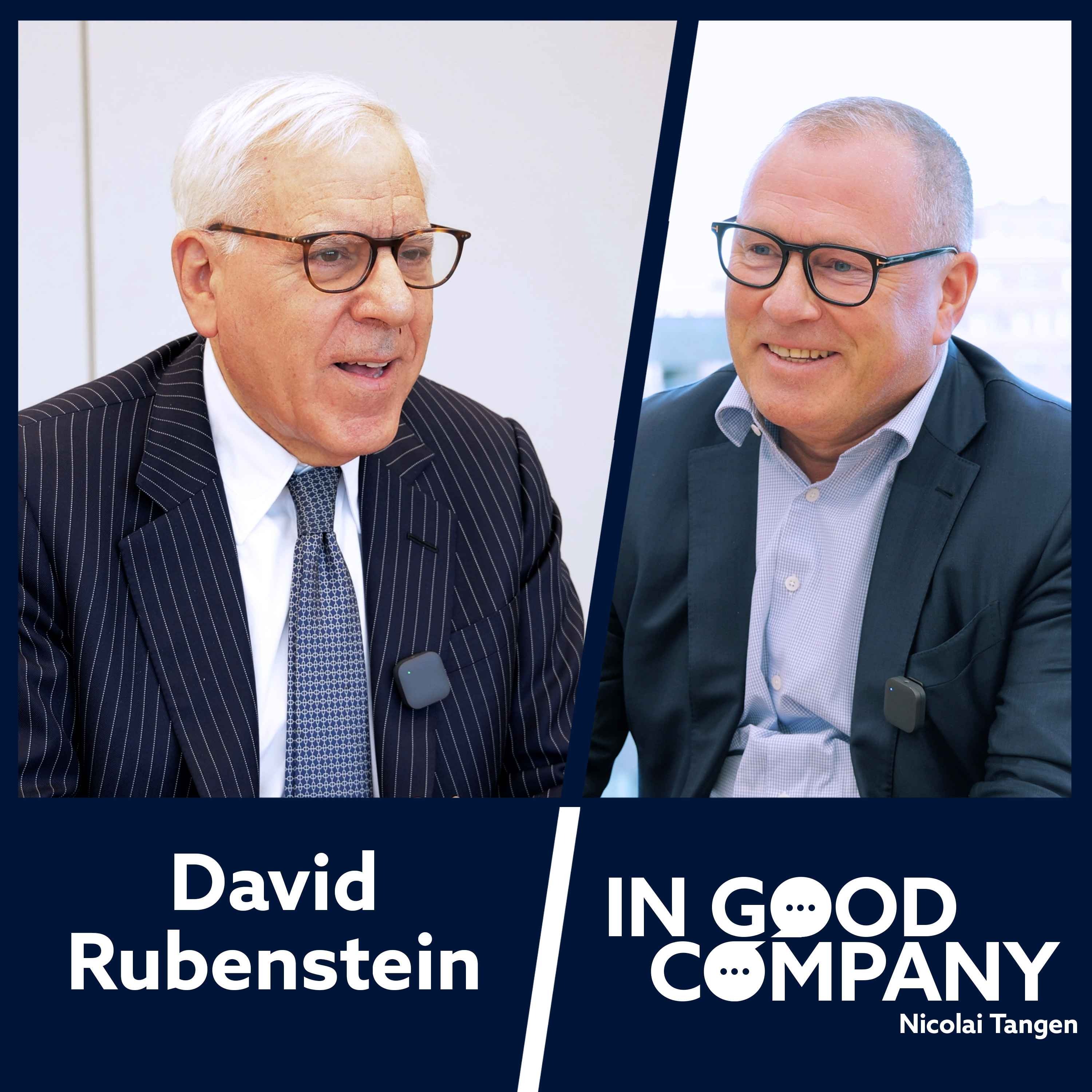
Despite building one of the world's largest private equity firms over 40 years, David Rubenstein finds he is now more recognized for his TV interviews. This reveals that in the modern era, a strong media presence can create a more powerful and widespread personal brand than a long and distinguished traditional business career.
O'Leary's agent advised against the role, fearing it would damage his brand. However, O'Leary believes pushing beyond one's comfort zone is like exercising a muscle, essential for staying sharp. He saw the acting opportunity as a way to avoid professional stagnation.
While many assume Mark Cuban left Shark Tank due to fatigue, O'Leary suggests the real reason is a "contractual issue" related to content distribution. Cuban, with his media background, likely wants the show to have wider streaming availability, clashing with the show's many production partners.
The nature of marketing has shifted from promoting a faceless corporation to showcasing an authentic founder personality. Companies without an interesting character at the helm are at a disadvantage. This requires leaders to be public figures, as their personal brand, story, and voice are now integral to the company's identity and success.

O'Leary's famous "Mr. Wonderful" persona wasn't accidental. Shark Tank creator Mark Burnett recruited him explicitly for his reputation as a "dick" in other shows. Burnett believed the show's dynamic needed that confrontational, truth-telling character to succeed.
O'Leary doesn't care if people think he's an asshole. He learned from working with an unpleasant Steve Jobs that execution is what earns respect, which is more valuable than likability. This philosophy allows him to make tough, unpopular decisions focused on results.
QED Investors realized they were misusing their famous founder, Nigel Morris, by only bringing him in for the final call. They now strategically deploy him early in the process to open doors and build relationships with target companies, using his reputation as an asset for outreach, not just a closing tool.