Get your free personalized podcast brief
We scan new podcasts and send you the top 5 insights daily.
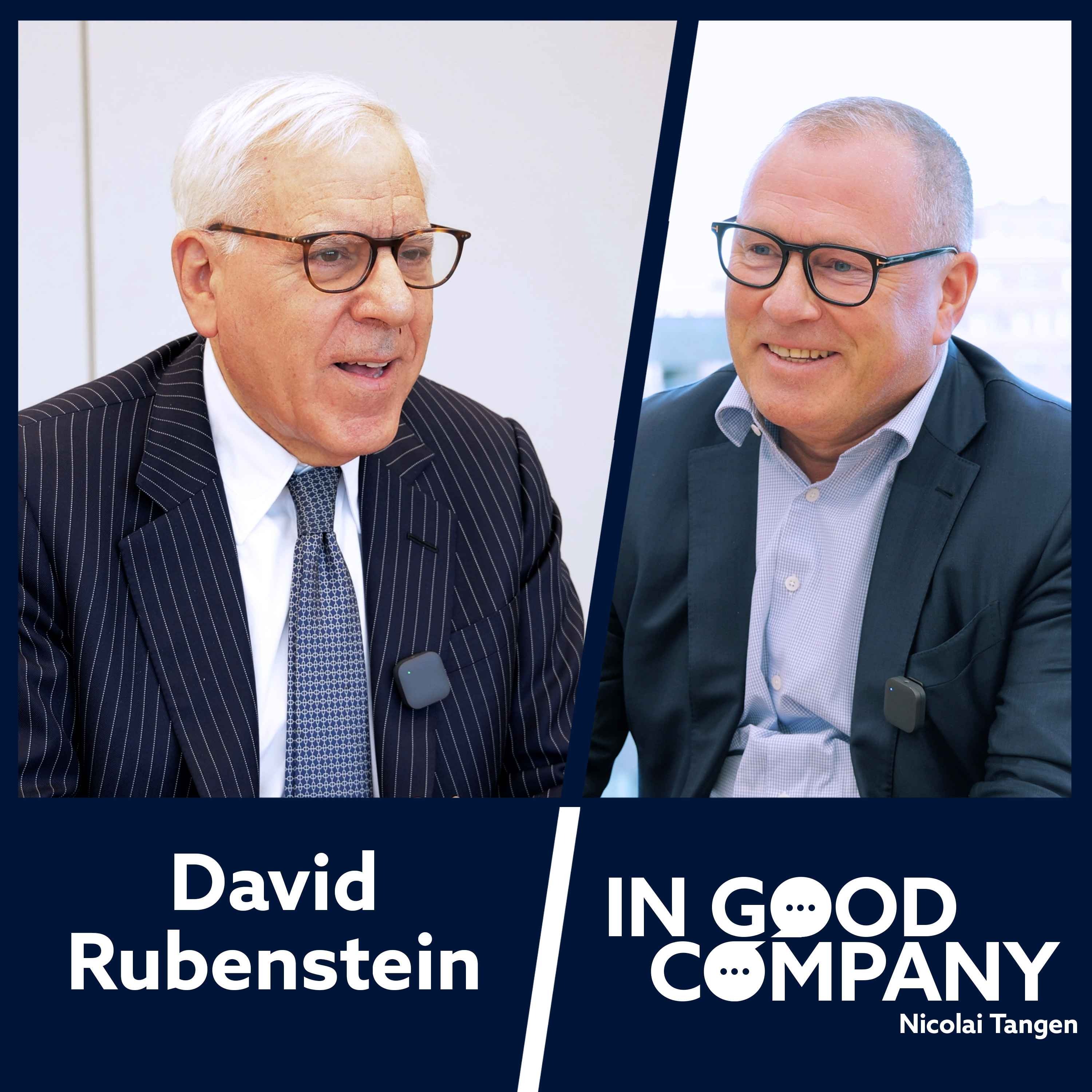
Despite building one of the world's largest private equity firms over 40 years, David Rubenstein finds he is now more recognized for his TV interviews. This reveals that in the modern era, a strong media presence can create a more powerful and widespread personal brand than a long and distinguished traditional business career.
Related Insights
View your personal brand or "likeness" not just as a marketing tool, but as a strategic asset that generates deal flow. This asset grants access to rooms and relationships that can be converted into partnerships, ownership stakes, and long-term revenue streams, fundamentally shifting you from talent-for-hire to an equity holder.

Personal branding isn't just about being seen; it's about being found when potential clients are looking. The speaker presents a clear progression: a strong brand creates visibility, which in turn leads to findability online. In today's market, if you are not findable, you are forfeiting opportunities.

The term "personal brand" is modern slang for the timeless concept of reputation. Social media's power is that it acts as a lever, scaling that reputation to a much wider audience than ever before. A larger, more positive reputation directly translates to a higher volume of inbound personal and professional opportunities.

Personal branding is not a short-term project; it's the long-term result of consistent actions. However, this hard-earned reputation is fragile and can be instantly destroyed by a single poor decision or inconsistent action. You must consciously play the long game to protect your brand equity.

The internet democratizes consumption but consolidates production, meaning everyone remembers Apple but not Samsung's founder, Usain Bolt but not the silver medalist. The gap between #1 and #2 is infinite fame versus obscurity. In content-driven markets, the only rational strategy is to aim for being "insanely great," not just "good."

Don't dismiss the success of celebrity brands as unattainable. Instead, analyze the core mechanism: massive 'free reach' and 'memory generation.' The takeaway isn't to hire a celebrity, but to find your own creative ways to generate a similar level of organic attention and build a tribe around your brand.

David Rubenstein reframes the act of putting his name on donated buildings. He explains it's not primarily for ego but to serve as a visible symbol for others, showing that someone from a poor background can achieve great success and give back to their community and country in a meaningful way.

The nature of marketing has shifted from promoting a faceless corporation to showcasing an authentic founder personality. Companies without an interesting character at the helm are at a disadvantage. This requires leaders to be public figures, as their personal brand, story, and voice are now integral to the company's identity and success.

For celebrities, the most effective path to massive wealth isn't always starting their own company. A more strategic approach is to identify a promising brand and exchange social capital for a significant equity stake, as Roger Federer did with On. This leverages influence without the operational burden of building a business from scratch.

The famously gentle painter Bob Ross was previously an Air Force drill sergeant. He consciously developed his calm on-screen persona as a direct reaction to a career that involved constant yelling. This illustrates how a powerful personal brand can be built by creating an identity that is the direct opposite of a past professional life.
