Get your free personalized podcast brief
We scan new podcasts and send you the top 5 insights daily.
O'Leary demonstrates how media power translates into political influence. He used his reputation as a job creator to gain access to congressional staffers writing legislation, successfully negotiating changes to paragraphs he deemed harmful to small businesses, like shortening an IRS audit period.

Related Insights
In heavily regulated or legally ambiguous industries, a founder's most valuable asset can be political connections. One startup literally used a pitch deck slide showing its co-founder with prominent politicians to signal their ability to influence future legislation in their favor. This represents a stark, real-world "crony capitalism" business strategy.

As described by Microsoft's President, corporate political donations are the "entry ticket" to the retreats and dinners where politicians spend their time. The check doesn't buy a specific policy outcome but provides the consistent access needed to build influential relationships.

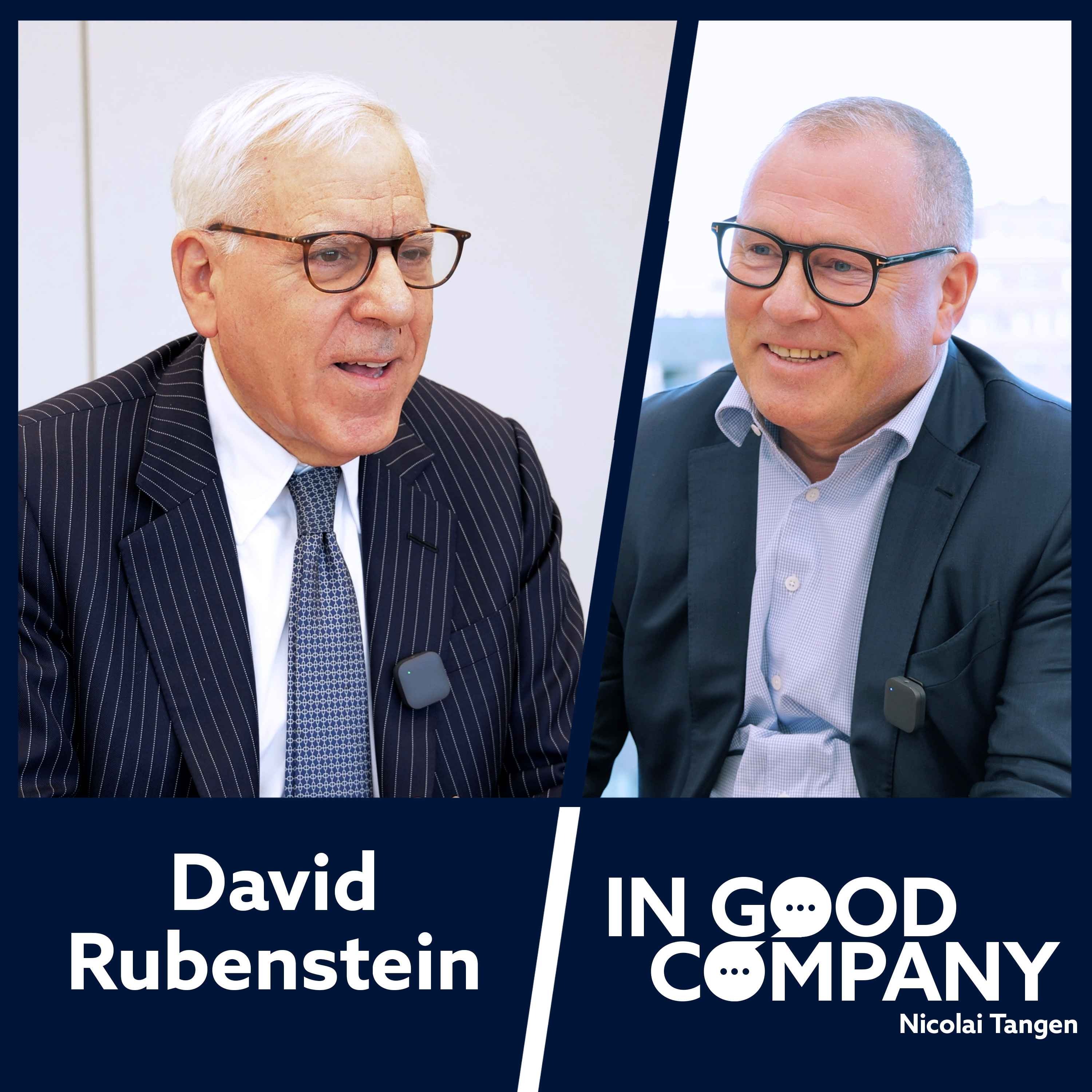
Despite building one of the world's largest private equity firms over 40 years, David Rubenstein finds he is now more recognized for his TV interviews. This reveals that in the modern era, a strong media presence can create a more powerful and widespread personal brand than a long and distinguished traditional business career.
Hedge funds like Janna Partners team up with celebrities like Travis Kelsey not just for capital, but to sway public opinion and influence other shareholders. These campaigns function like political elections where celebrity endorsements can tip the scales, transforming a financial story into a cultural one.

Unlike post-presidency ventures, lucrative commercial deals offered to a sitting first family function as a form of bribery. A studio's multi-million dollar offer is not a bet on creative talent but an investment in gaining favorable regulatory outcomes, such as merger approvals, from the administration.

Senator Warren argues the problem with congressional stock trading isn't just access to non-public information. It's that members can actively shape legislation (e.g., a crypto bill) to benefit their own investments, creating a powerful conflict of interest.

Early in his post-exit career, O'Leary's private equity partners advised him to keep a low profile, as is typical in the industry. He rejected this, choosing instead to build a media presence to ensure he was "in the narrative," which he later leveraged for business and political influence.
The impact of a media story isn't measured solely by audience size. Its real influence can stem from capturing the attention of a few powerful figures, like Donald Trump, who then amplify the narrative and shape political discourse, as seen with the saga around Barry Weiss and CBS News.

When a political party uses the IRS to punish enemies, it simultaneously shields its wealthy allies from audits. This allows them to evade taxes, creating a revenue gap. To fund the government, that money must be collected from lower and middle-income taxpayers, effectively creating a tax increase for them.

A power inversion is happening in media access. Politicians actively seek appearances on creator shows, known for softer content, while legacy news outlets struggle to get interviews. This highlights a strategic shift where politicians prioritize friendly mass reach over journalistic scrutiny.