/
© 2026 RiffOn. All rights reserved.
  1. All-In with Chamath, Jason, Sacks & Friedberg
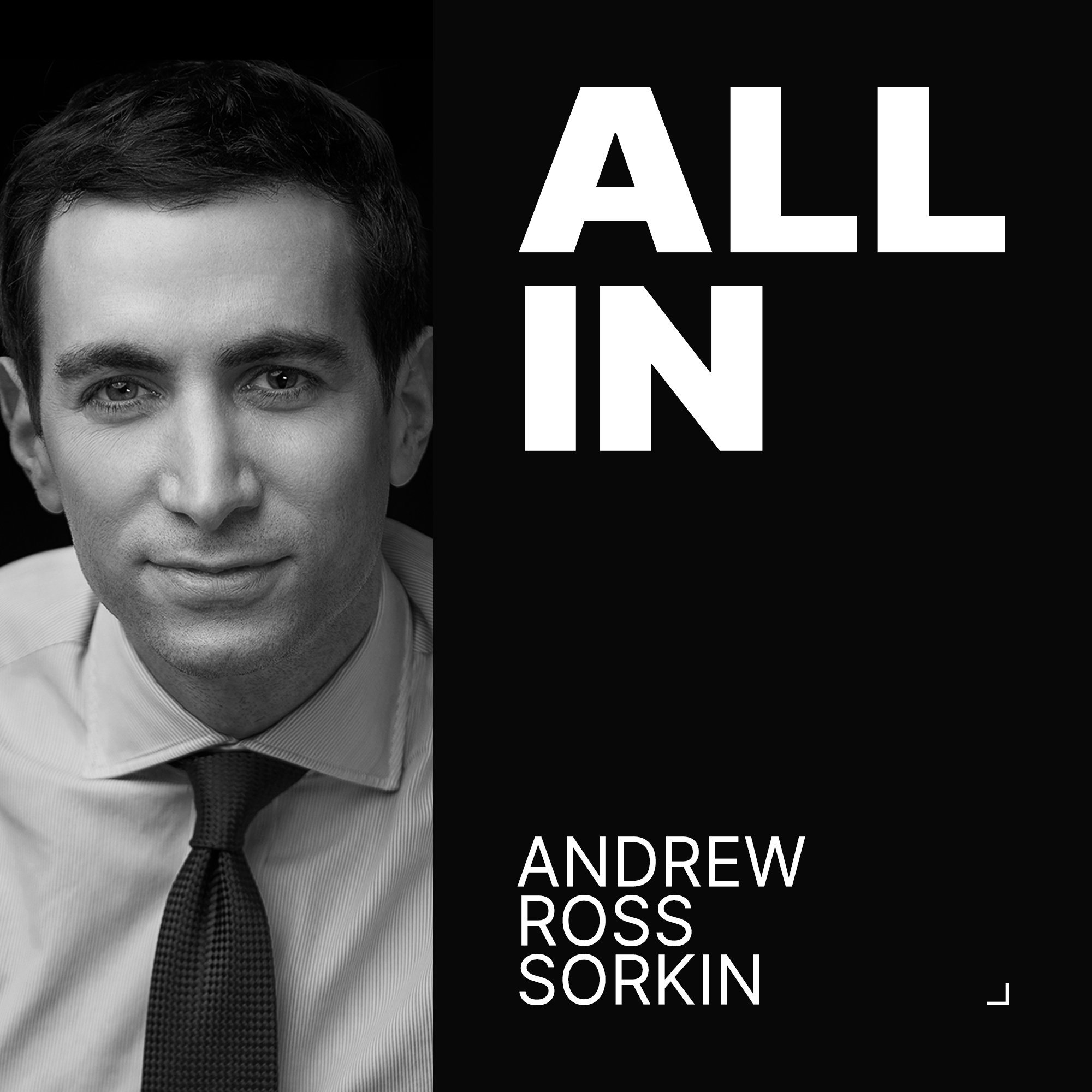
  2. 1929 vs 2025: Andrew Ross Sorkin on Crashes, Bubbles & Lessons Learned
1929 vs 2025: Andrew Ross Sorkin on Crashes, Bubbles & Lessons Learned

1929 vs 2025: Andrew Ross Sorkin on Crashes, Bubbles & Lessons Learned

All-In with Chamath, Jason, Sacks & Friedberg · Oct 16, 2025

Author Andrew Ross Sorkin draws parallels between the 1929 crash and today's AI-fueled market, exploring speculation, regulation, and history.

Speculation Is the Necessary "Twin of Innovation," Not Just Reckless Gambling

Speculation isn't inherently negative; it's the financial engine of innovation. It represents putting capital at risk for uncertain future gains, which is fundamental to groundbreaking ventures like Tesla. The challenge is encouraging productive speculation without letting it get out of control.

1929 vs 2025: Andrew Ross Sorkin on Crashes, Bubbles & Lessons Learned thumbnail

1929 vs 2025: Andrew Ross Sorkin on Crashes, Bubbles & Lessons Learned

All-In with Chamath, Jason, Sacks & Friedberg·4 months ago

The "Leave It to Beaver" American Dream Was a 1950s Anomaly, Not a Timeless Ideal

The popular image of the American Dream—a suburban house with a white picket fence—is a product of the 1950s, not a long-standing historical goal. It arose from a unique post-WWII period when the US was a "monopoly power," enabling a standard of living that may have been an aberration.

1929 vs 2025: Andrew Ross Sorkin on Crashes, Bubbles & Lessons Learned thumbnail

1929 vs 2025: Andrew Ross Sorkin on Crashes, Bubbles & Lessons Learned

All-In with Chamath, Jason, Sacks & Friedberg·4 months ago

Government Spending Promises, Not Market Failures, Inflate Costs in Key Sectors

Runaway costs in education, housing, and healthcare stem from government intervention. When the government promises to provide a service (e.g., student loans), it becomes a massive "buy-only" force with no price sensitivity, eliminating natural market forces and causing costs to balloon.

1929 vs 2025: Andrew Ross Sorkin on Crashes, Bubbles & Lessons Learned thumbnail

1929 vs 2025: Andrew Ross Sorkin on Crashes, Bubbles & Lessons Learned

All-In with Chamath, Jason, Sacks & Friedberg·4 months ago

GM's 1919 Car Loans Ignited the Consumer Debt Culture that Fueled the 1929 Crash

The 1929 crash's roots aren't just in stock speculation but in a 1919 cultural shift where General Motors began offering car loans. This normalized consumer credit, which was then applied to appliances and ultimately, stocks on margin, creating the bubble.

1929 vs 2025: Andrew Ross Sorkin on Crashes, Bubbles & Lessons Learned thumbnail

1929 vs 2025: Andrew Ross Sorkin on Crashes, Bubbles & Lessons Learned

All-In with Chamath, Jason, Sacks & Friedberg·4 months ago

AI Adoption Is Hindered by Psychological Insecurity, Unlike Prior Tech Booms

Unlike the dot-com or mobile eras where businesses eagerly adapted, AI faces a unique psychological barrier. The technology triggers insecurity in leaders, causing them to avoid adoption out of fear rather than embrace it for its potential. This is a behavioral, not just technical, hurdle.

1929 vs 2025: Andrew Ross Sorkin on Crashes, Bubbles & Lessons Learned thumbnail

1929 vs 2025: Andrew Ross Sorkin on Crashes, Bubbles & Lessons Learned

All-In with Chamath, Jason, Sacks & Friedberg·4 months ago

FDR's 1932 Victory Was Driven by Prohibition Repeal, Not the Economy

Contrary to popular belief, Franklin D. Roosevelt's landslide victory in 1932 was not primarily due to the economy. Polling from the era reveals the key issue for voters was repealing Prohibition, suggesting the public had not yet fully blamed the Hoover administration for the crash's delayed fallout.

1929 vs 2025: Andrew Ross Sorkin on Crashes, Bubbles & Lessons Learned thumbnail

1929 vs 2025: Andrew Ross Sorkin on Crashes, Bubbles & Lessons Learned

All-In with Chamath, Jason, Sacks & Friedberg·4 months ago

1920s Media Outlets like Time Magazine Created the First Celebrity CEOs

The concept of the "celebrity CEO" originated in the 1920s. The launch of new media like Time Magazine (1923) and Forbes (1917) shifted public focus, putting business leaders on magazine covers alongside sports heroes, making them aspirational figures and fueling public desire to invest.

1929 vs 2025: Andrew Ross Sorkin on Crashes, Bubbles & Lessons Learned thumbnail

1929 vs 2025: Andrew Ross Sorkin on Crashes, Bubbles & Lessons Learned

All-In with Chamath, Jason, Sacks & Friedberg·4 months ago

The Landmark Glass-Steagall Act Was Driven by Bank Lobbying to Weaken J.P. Morgan

The Glass-Steagall Act, famed for separating commercial and investment banking, wasn't purely a consumer protection measure. A key motivation was rival banks, like those run by the Rockefellers, lobbying to break up the dominant J.P. Morgan, revealing a backstory of corporate warfare.

1929 vs 2025: Andrew Ross Sorkin on Crashes, Bubbles & Lessons Learned thumbnail

1929 vs 2025: Andrew Ross Sorkin on Crashes, Bubbles & Lessons Learned

All-In with Chamath, Jason, Sacks & Friedberg·4 months ago

Accredited Investor Rules Meant to Protect Retail Investors Now Block Wealth Creation

Regulations like the 'Accredited Investor' rule, originally designed to shield small investors from risky ventures, are now perceived as gatekeeping. Retail investors argue these rules don't protect them but instead protect the elite's exclusive access to high-growth, wealth-generating opportunities.

1929 vs 2025: Andrew Ross Sorkin on Crashes, Bubbles & Lessons Learned thumbnail

1929 vs 2025: Andrew Ross Sorkin on Crashes, Bubbles & Lessons Learned

All-In with Chamath, Jason, Sacks & Friedberg·4 months ago