Get your free personalized podcast brief
We scan new podcasts and send you the top 5 insights daily.
In highly technical hardware companies, a board member's role isn't to solve engineering problems. It's to operate within their own circle of competence: keeping the company financed, asking strategic long-game questions, and providing the patience required for multi-year R&D cycles.
Related Insights
Reed Hastings argues board members lack daily context to add value with advice. Their true function is to be an "insurance layer," with their most crucial responsibility being the decision to replace the CEO if needed. They must learn the business not to advise, but to be prepared for that moment.
![Reed Hastings - Building Netflix - [Invest Like the Best, EP.453] thumbnail](https://megaphone.imgix.net/podcasts/2f1ecac4-e4ba-11f0-a8e8-777eb8de0c5a/image/28fb3c25b09448a35f17657a5e614900.jpg?ixlib=rails-4.3.1&max-w=3000&max-h=3000&fit=crop&auto=format,compress)
In a highly technical company, having a leader who is not a domain expert is invaluable. This individual can challenge the team's ingrained way of thinking, ask fundamental questions, and ensure the company remains grounded in customer needs rather than getting lost in purely technological pursuits.
![CEO Jean-François Brepson on Scaling a CRO, and Selling to Charles River | E59 [Sponsored] thumbnail](https://d3t3ozftmdmh3i.cloudfront.net/staging/podcast_uploaded_nologo/38602414/38602414-1710163512282-a7c132e056a57.jpg)
A technical founder's greatest value can be in business functions like corporate development, not remaining the company's top scientific expert. This allows for focused growth while leveraging a team of smarter specialists to handle the deep science.

Most institutional investor boards are composed of finance professionals and constituent representatives, but not technologists. This leads them to view technology as an operational cost or an 'IT toolkit' rather than a strategic asset that can fundamentally enhance returns by improving portfolio knowledge and navigation.
![[REPLAY] Ashby Monk – Investor Identity, Navigation, and Resilience (Capital Allocators, EP.312) thumbnail](https://static.libsyn.com/p/assets/f/b/7/6/fb76e1c8bfb69e8dd959afa2a1bf1c87/CA_Square_logo_light_background_6.26.24.jpg)
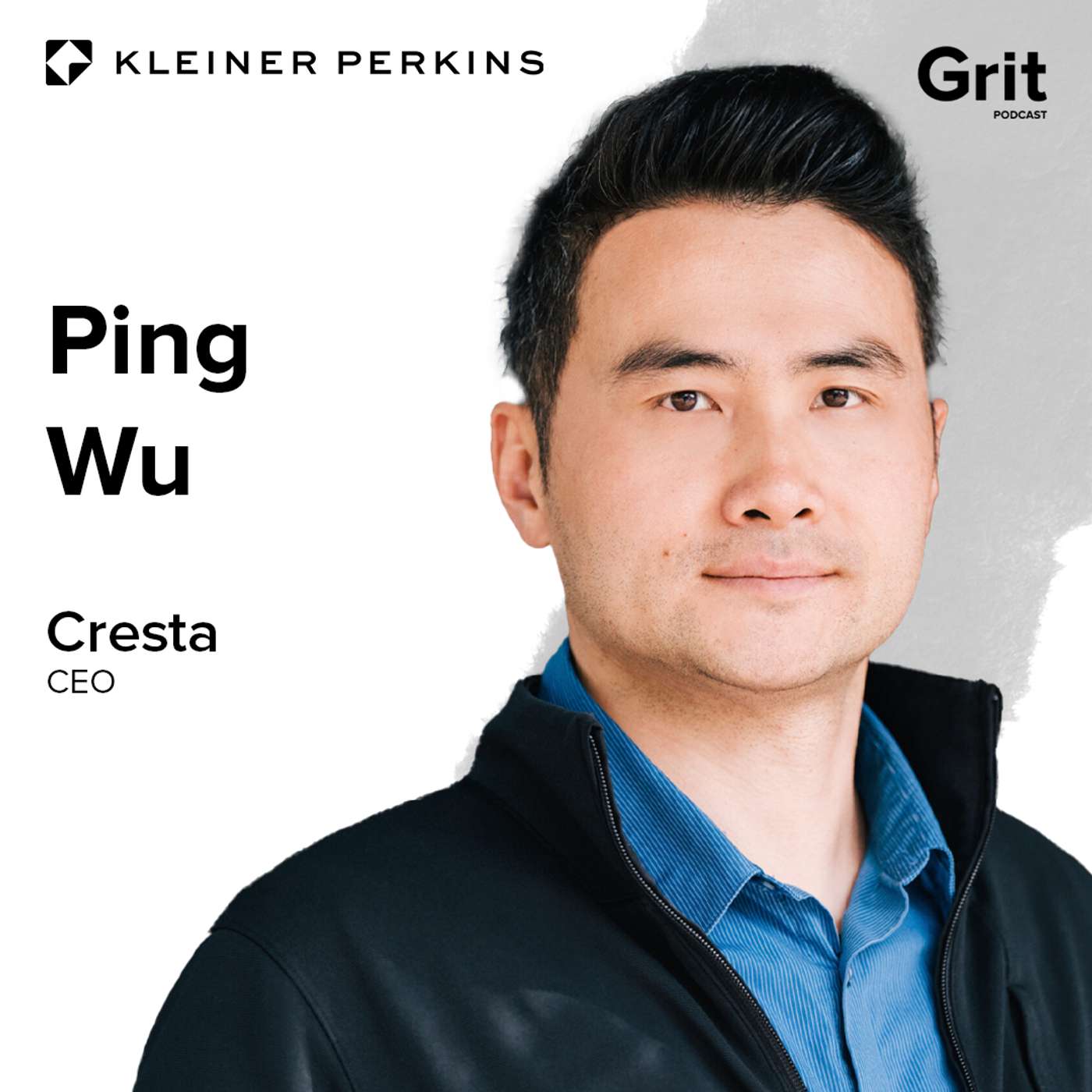
Ping Wu details how he leverages his board: he consults Doug Leone on SaaS company-building patterns, Sebastian Thrun on long-term AI trends, and former member Carl Eschenbach on go-to-market operations. This demonstrates a strategic approach to extracting maximum value from a diverse board.
A key skill in building a deep tech team is identifying individuals who can bridge the gap between complex science and business reality. These "translators" can articulate highly technical concepts in plain English, clarifying clinical relevance and commercial viability for decision-makers.

Investing in deeply technical hardware, like Cerebras's wafer-scale chip, requires a degree of ignorance about the true difficulty. Unlike software, where a core technical insight gets you 80% of the way, in hardware it's only 2%. The rest is a brutal, multi-year battle against physics and complex supply chains that experts might avoid entirely.
![Eric Vishria - A Decade of Lessons Investing in Software & Hardware - [Invest Like the Best, EP.486] thumbnail](https://megaphone.imgix.net/podcasts/be6f2778-94f0-11f1-8fc8-5fdf34225c7d/image/c8265322cedbd7f9e8b4d6d8b037c42b.jpg?ixlib=rails-4.3.1&max-w=3000&max-h=3000&fit=crop&auto=format,compress)
The most valuable role for a board member isn't giving advice, but acting as a "sparring partner." This involves asking sharp questions that help founders surface their own insights and gain clarity on ideas they already hold, especially when navigating uncharted territory.
Karri Saarinen argues that investors without direct operational experience often make better board members. They understand their role is to provide capital and high-level guidance, not dictate day-to-day strategy. This prevents them from misapplying lessons from their past company to your unique situation.

VC Seth Levine argues investors' primary power lies in influence, not control. Beyond investing or replacing a CEO, their role is to advise, not operate. He actively clarifies in board meetings that topics are for discussion to inform the CEO's decision, not for the board to decide, preventing investors from overstepping their role.
