Get your free personalized podcast brief
We scan new podcasts and send you the top 5 insights daily.
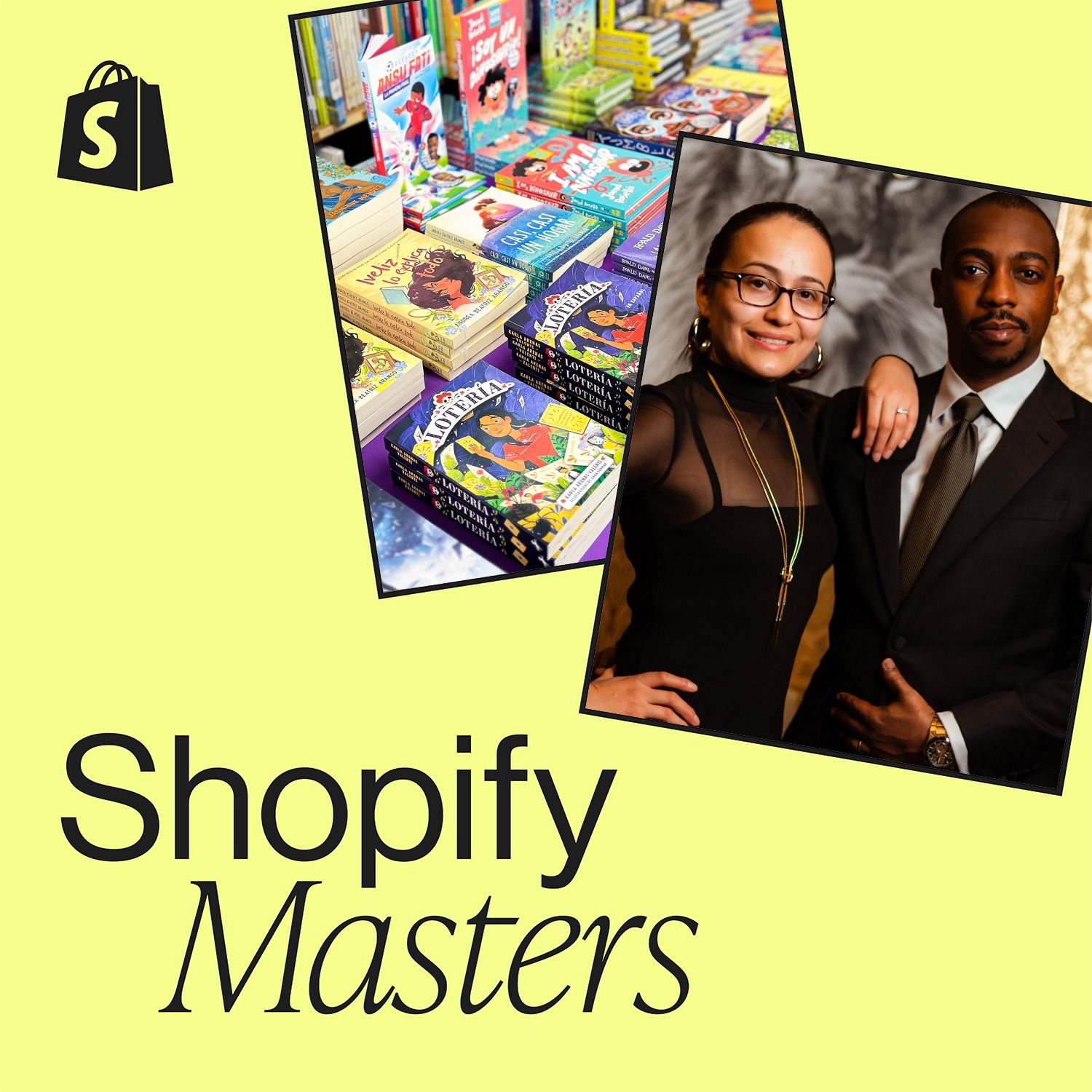
Stephanie says customizing each fair by school demographics became a SKU-intensive nightmare. Miha now sticks to core inventory every season, sends extras as bonuses, and aims to pre-pack fairs so warehouse staff can serve last-minute schools from shelf stock instead of packing week by week.

Related Insights
Expanding SKU variants to satisfy every individual customer preference creates logistical drag and operational complexity. Nick Green advises early-stage brands to define quality by scalability. By maintaining an ultra-curated catalog and focusing on hero products rather than attempting to provide every cut, length, or option, a brand can preserve high standards, streamline production, and scale efficiently.

To scale a product in a project-based industry like construction, balance standardization with necessary customization. KitSwitch's approach is to standardize 80% of their offering and then design specific, adaptable components to handle the 20% of variability encountered in different buildings.

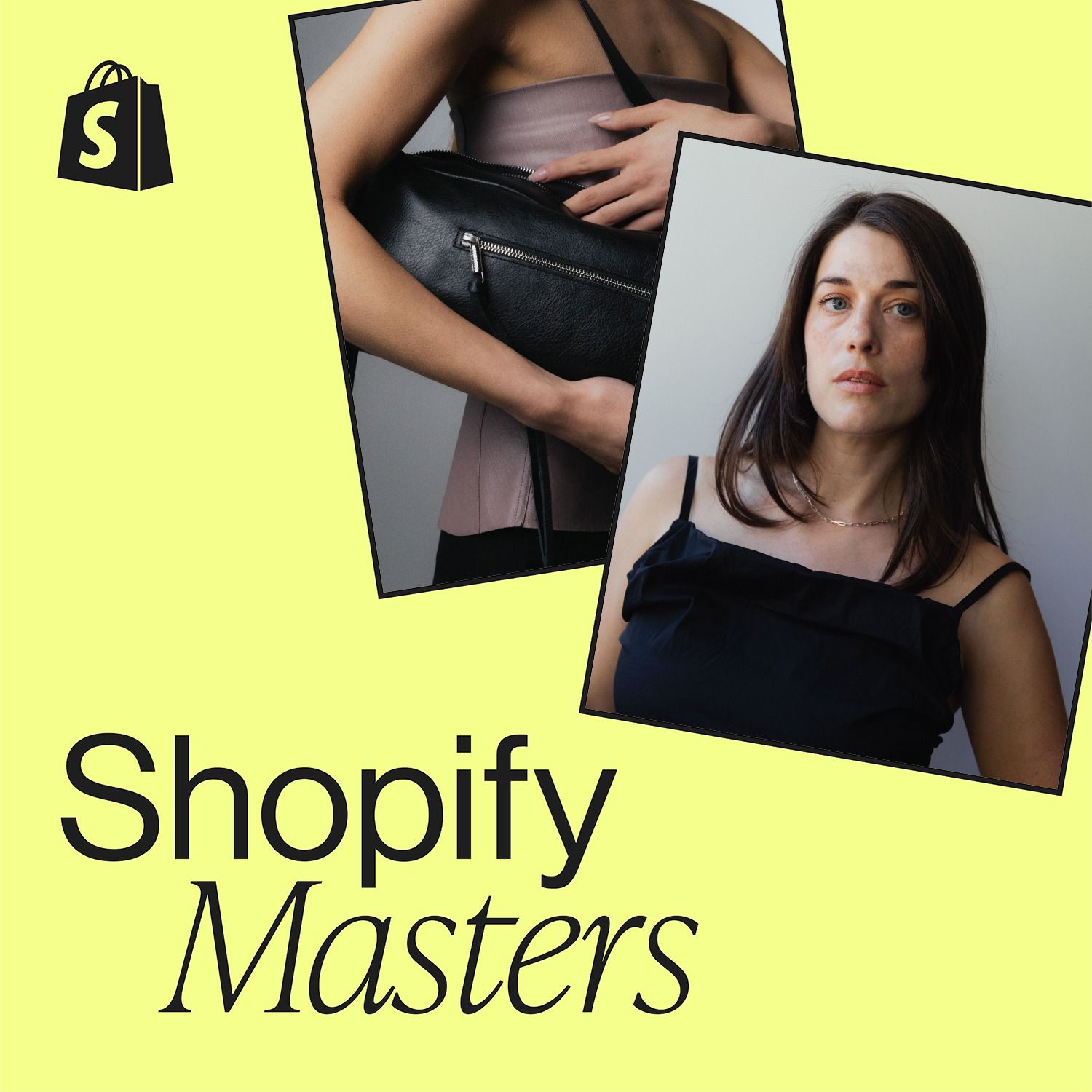
By eliminating seasonal colors to focus only on her bestseller—black—handbag brand Sonya Lee could place larger bulk leather orders. This allowed her to bypass wholesalers and source directly from a premium tannery, dramatically improving margins, ensuring material traceability, and making capital more efficient.
What once required huge teams and expensive software is now a solved problem with AI. D2C brands can port sales data from Shopify, Amazon, etc., into a data warehouse and use a model to get highly accurate inventory plans. This eliminates a major operational risk that previously bankrupted many companies.

By offering one fair price and never running sales, Room & Board avoids the operational chaos of sales peaks and troughs. This creates a predictable, steady line of business, simplifying logistics, delivery, and inventory management—a significant benefit beyond just customer fairness.
Smithy Home Couture avoids the risk of unsold finished goods by stocking 400+ rolls of fabric, not pre-made pillow covers. This made-to-order process keeps inventory costs low, allows for high customization, and still enables a rapid 3-5 day shipping window.

Underbuying inventory leads to missed sales targets, which is frustrating but not fatal. Overbuying, especially seasonal items, can trigger a cash crunch and force profit-killing liquidations that damage brand equity. You won't go out of business from underbuying.

Constantly delivering custom solutions is inefficient and destroys profitability. Instead, define a standardized, repeatable service package that can be sold and delivered consistently, maintaining high margins and simplifying operations.

The publishing industry's failure to consistently stock diverse books created a problem for Miha Books. However, this forced them to constantly search for new titles. This weakness transformed into a strength, as their customers now praise their ever-fresh selection, a key differentiator from competitors with stagnant inventories.
Standardizing screws to just a few types extends beyond design. It simplifies logistics by reducing SKUs to purchase and manage. During assembly, it eliminates the cognitive load of selecting the correct screw, allowing technicians to build faster and with fewer errors, creating a more satisfying workflow.
