Get your free personalized podcast brief
We scan new podcasts and send you the top 5 insights daily.
By offering one fair price and never running sales, Room & Board avoids the operational chaos of sales peaks and troughs. This creates a predictable, steady line of business, simplifying logistics, delivery, and inventory management—a significant benefit beyond just customer fairness.

Related Insights
Instead of stocking every product variation, Sol Price's "intelligent loss of sales" system offered only the best-value item (e.g., one size of oil). This deliberately lost some customers but radically simplified inventory, labor, and checkout, creating an unbeatable cost advantage.

Norwegian Wool avoids inflating prices just to offer discounts later. By maintaining price integrity, they build trust with customers who know they're paying the "real price." This prevents buyer's remorse and reinforces the brand's premium, high-value positioning.

Following lessons from Sam Walton and military history, PriceSmart prioritizes owning real estate and distribution centers. This control over its supply chain is a critical moat that ensures stability, manages costs, and provides a decisive advantage in unpredictable environments.
![PriceSmart: Central America’s Costco - [Business Breakdowns, EP.244] thumbnail](https://megaphone.imgix.net/podcasts/d4b5c5a8-44c0-11f1-afc3-4b540c6a0f06/image/90fe441dbc13203b76a8d23d49525b28.jpg?ixlib=rails-4.3.1&max-w=3000&max-h=3000&fit=crop&auto=format,compress)
The company deliberately aims for a modest 8% profit during good times as a built-in cushion for economic downturns. When a crisis causes a significant sales dip, the company can drop to breakeven without losses or operational cuts, enabling it to weather the storm and even expand when others contract.
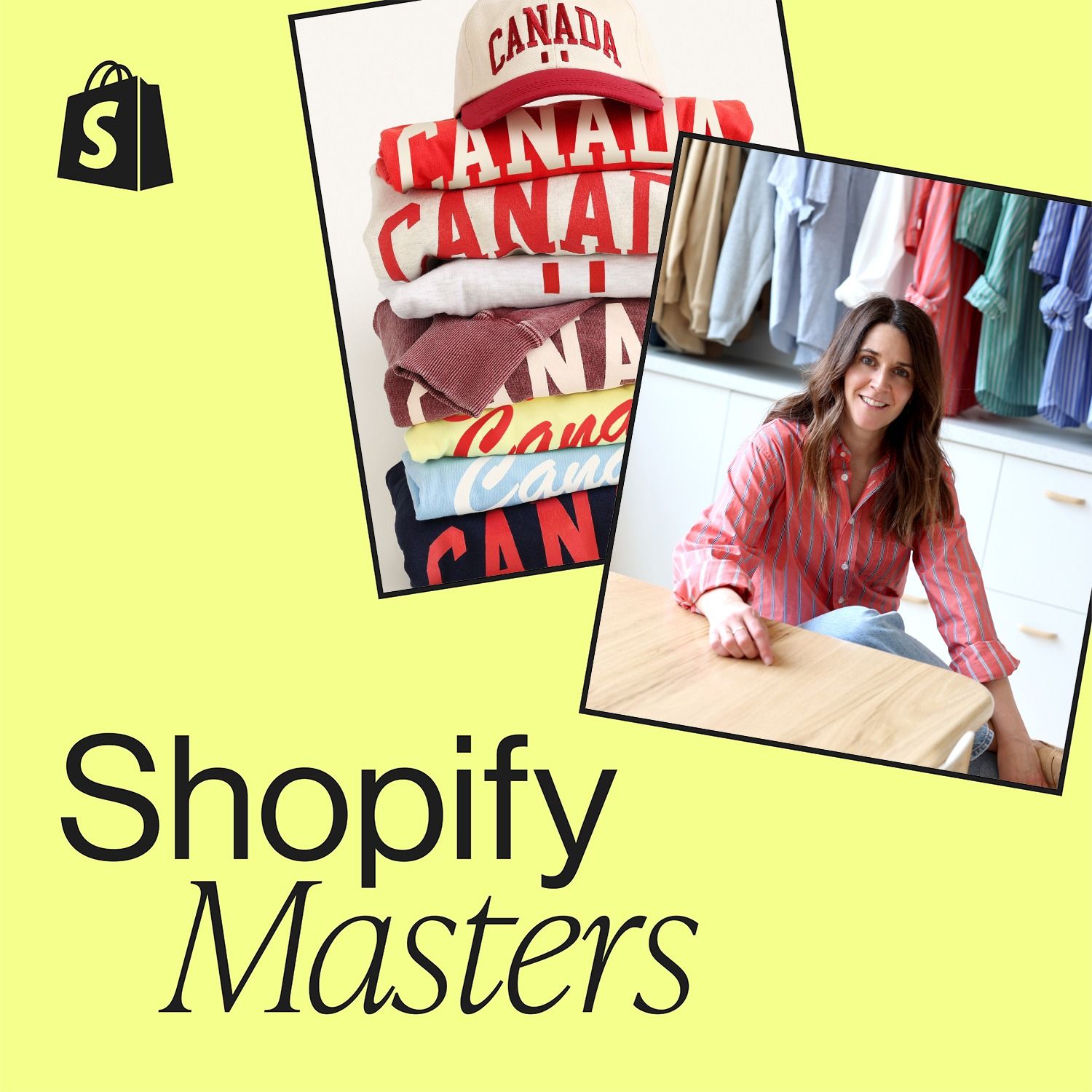
Province of Canada intentionally built an 'anti-fashion' brand by focusing on timeless basics rather than seasonal collections. This simplifies inventory, creates dependable products for customers, and allowed them to avoid the high-pressure, discount-driven wholesale cycle, leading to a more stable business.
Comfort strategically adjusts prices based on stock availability, not just demand. For fast-selling items, they increase the price to slow sales velocity, ensuring they stay in stock longer and avoid disappointing customers. This prioritizes long-term stability over short-term sales volume.

Costco's business model is unique: it aims to break even on merchandise sales. This allows it to offer the lowest possible prices, building immense customer loyalty. The company's entire operating profit is derived from its annual membership fees, which represent only 2% of total revenue.

When pressured to hit quarterly targets with promotions, use a simple filter: 'Does this action increase the long-term desirability of my full-price product?' This framework helps balance immediate revenue needs with the crucial goal of protecting and building brand equity, preventing a downward spiral of discounting.

Instead of cutting prices to close a deal, which devalues your brand and trains customers to wait for sales, maintain your price integrity. Create a "bonus bank" of valuable add-ons (extra support, exclusive access) to offer as incentives, making the customer feel they're getting a great deal without compromising your product's perceived worth.

The strategy of setting an artificially high price to negotiate down is dangerous in an era of high transparency. When customers inevitably discover they paid more than peers, it destroys trust and reputation. Maintain a consistent price, offering flexibility only through standardized commercial levers.