Get your free personalized podcast brief
We scan new podcasts and send you the top 5 insights daily.
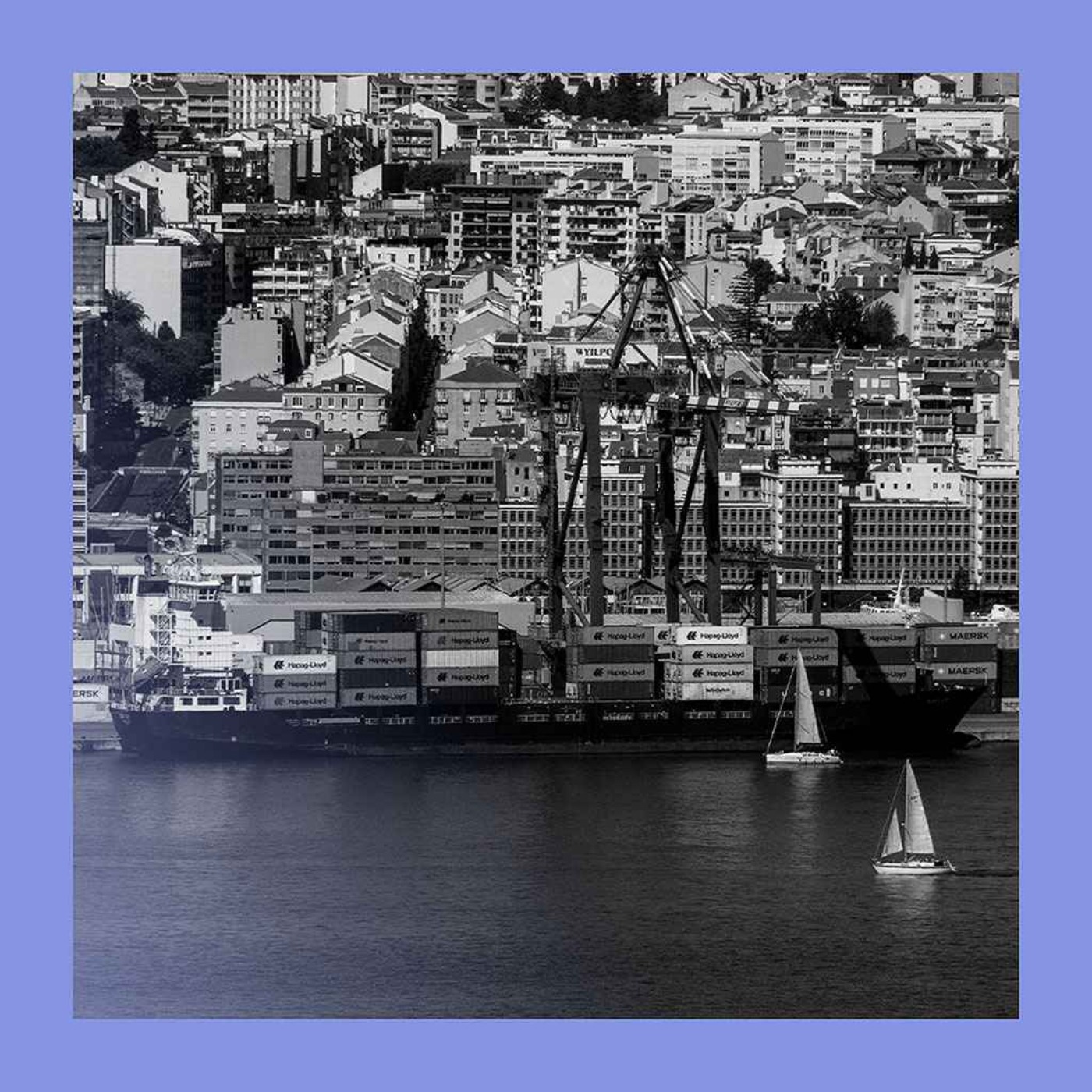
For centuries, the development of bridges across the River Thames was actively suppressed by the powerful guild of watermen. They lobbied to prevent new crossings to ensure commuters would have to rely on their boat services, effectively shaping London's infrastructure for their own economic benefit.
Related Insights
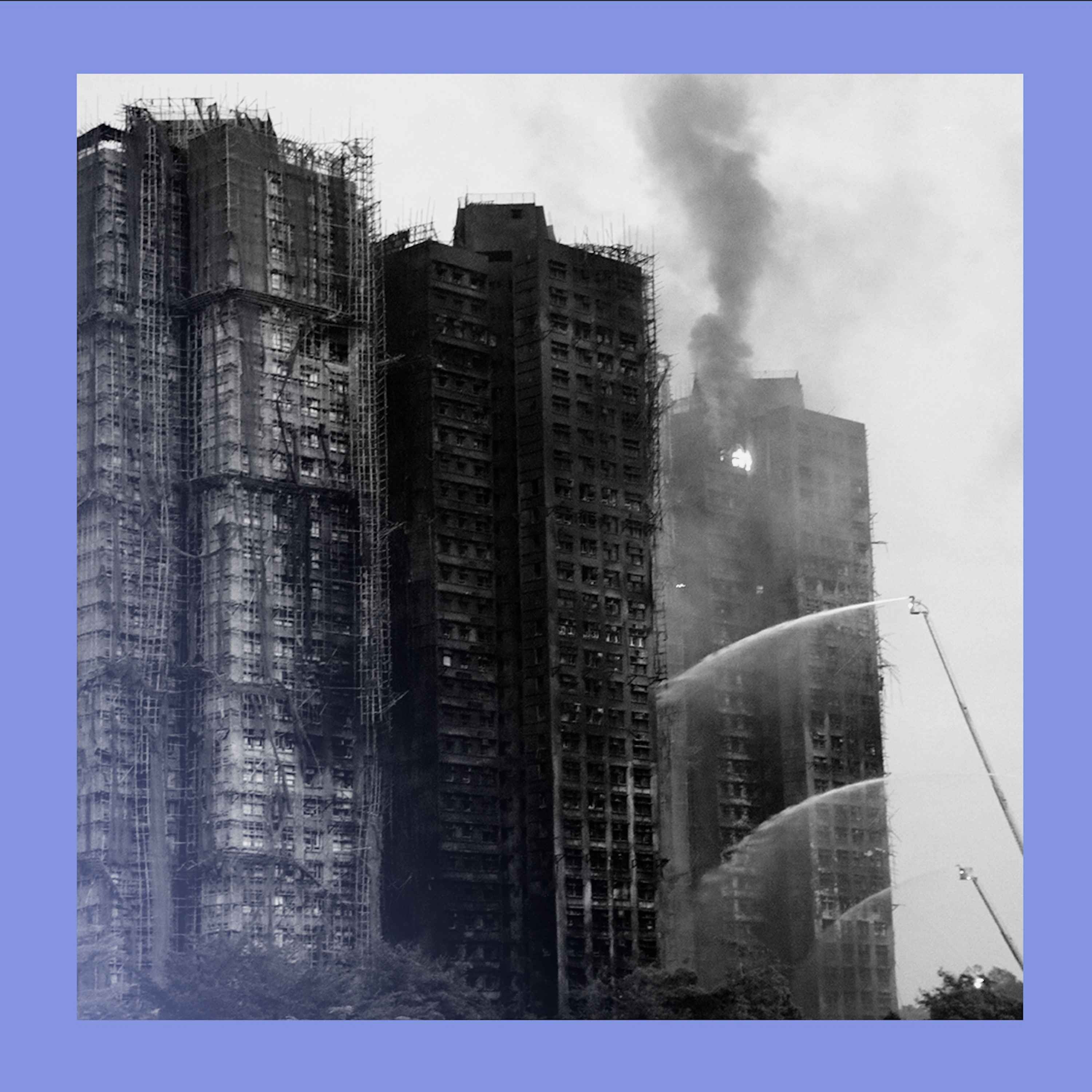
The official focus on bamboo scaffolding after a deadly fire may be a political pretext to phase out a traditional industry with a strong, union-like guild. This would allow mainland-controlled firms to take over, despite evidence that much of the bamboo scaffolding survived the blaze intact.
History shows pioneers who fund massive infrastructure shifts, like railroads or the early internet, frequently lose their investment. The real profits are captured later by companies that build services on top of the now-established, de-risked platform.

The moving walkway’s popular debut at World's Fairs typecast it as an amusement ride, creating a "magnificently impractical" reputation that prevented government officials from taking it seriously for major urban infrastructure projects like the Brooklyn Bridge.

Like railroads, AI promises immense progress but also concentrates power, creating public fear of being controlled by a new monopoly. The populist uprisings by farmers against railroad companies in the 1880s offer a historical playbook for how a widespread, grassroots political movement against Big Tech could form.

America's system of nearly 10,000 banks is not a market inefficiency but a direct result of the founding fathers' aversion to centralized, oligopolistic British banks. They deliberately architected a fractured system to prevent the concentration of financial power and to better serve local business people, a principle that still shapes the economy today.

Housing scarcity is a bottom-up cycle where homeowners' financial incentive is to protect their property value (NIMBYism). They then vote for politicians who enact restrictive building policies, turning personal financial interests into systemic regulatory bottlenecks.
Lawyers often act as "handmaidens of the rich," enabling wealthy individuals and communities to use the legal system to block public good projects like mass transit or affordable housing. This subverts the public interest and creates a society that functions well for the wealthy but fails the majority.
The Glass-Steagall Act, famed for separating commercial and investment banking, wasn't purely a consumer protection measure. A key motivation was rival banks, like those run by the Rockefellers, lobbying to break up the dominant J.P. Morgan, revealing a backstory of corporate warfare.
Flexport's CEO highlights the huge, untapped potential of U.S. river systems for container shipping. Increased trade with Latin America could make New Orleans a premier port, but union contracts prevent the development of this cheaper, greener, and more efficient alternative to road and rail transport.

Power is shifting from open participation in a global market to controlling access between siloed communities (e.g., finance, tech, government). Individuals who can bridge these worlds and broker relationships, like operators on a medieval trade route, accumulate immense power and value.
