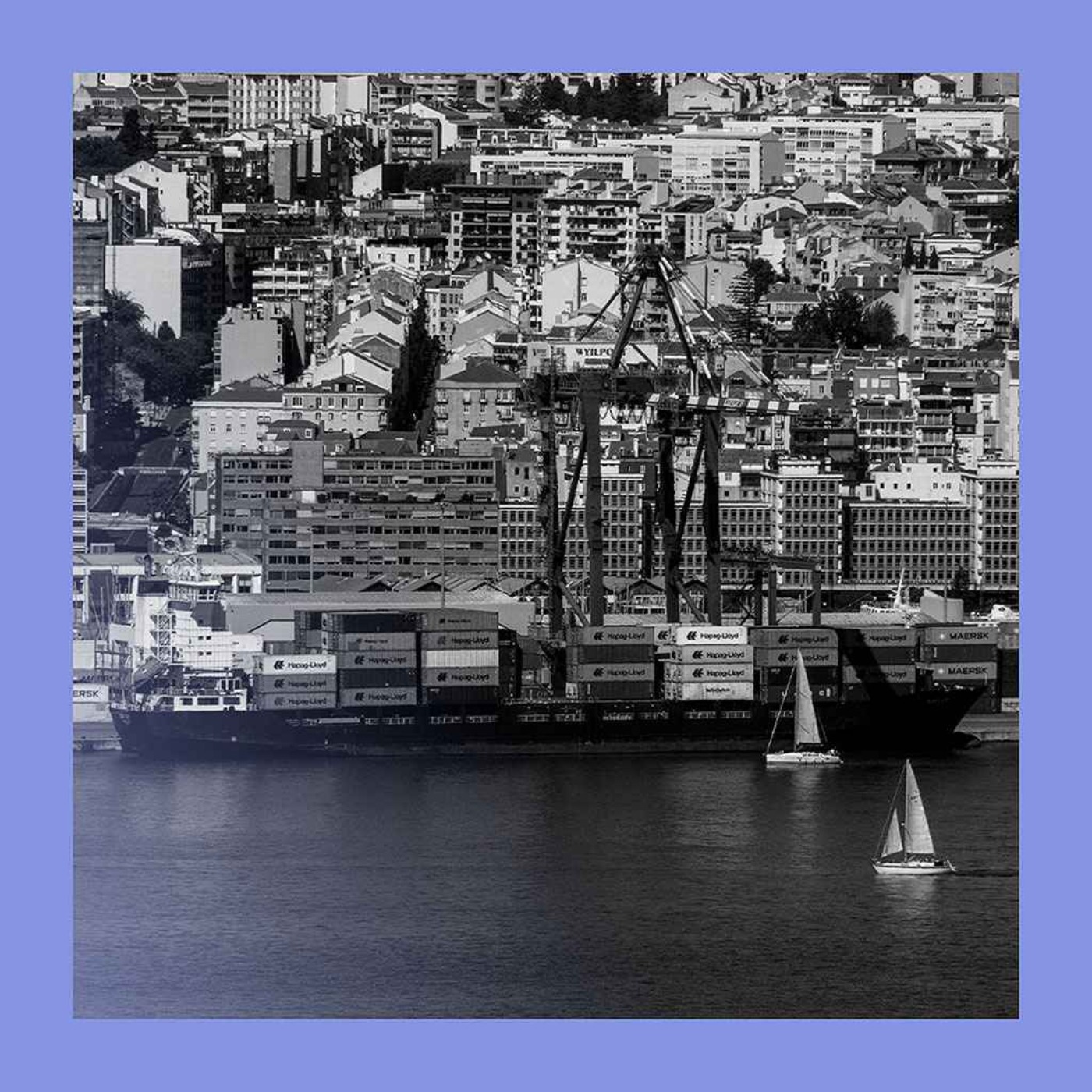
Contrary to their post-2008 reputation, countries like Portugal, Spain, and Greece have been named The Economist's top-performing rich economy for four consecutive years. This signals a significant regional economic resurgence after a prolonged period of struggle and stagnation.
While consumers might see 0% inflation as perfect, economists consider it dangerous because it is perilously close to deflation. Deflation can cripple an economy by encouraging consumers to delay spending and increasing the real value of debt, making it a state to be actively avoided.
Analysis reveals that the country named 'Economy of the Year' by The Economist experiences, on average, a 20% rise in its stock market the following year. This suggests the comprehensive economic indicators used in the ranking have predictive power for near-term market performance.
Despite significant media attention on its strong performance, the American stock market was outperformed by many others globally in 2025. Israel's stock market, for instance, had the best year, challenging the common perception that the US market is the default leader in annual gains.
An author documenting Dalit cuisine, a food tradition born from caste oppression, was initially criticized by his own community. They feared that drawing attention to these dishes would reinforce social stigma rather than celebrate cultural heritage, highlighting the deep-seated shame associated with their history.
For centuries, the development of bridges across the River Thames was actively suppressed by the powerful guild of watermen. They lobbied to prevent new crossings to ensure commuters would have to rely on their boat services, effectively shaping London's infrastructure for their own economic benefit.