Get your free personalized podcast brief
We scan new podcasts and send you the top 5 insights daily.
After a decade fighting taxi unions, Uber is now partnering with them to lobby for regulations against new self-driving competitors like Tesla. This reversal shows a classic cycle where today's disruptor becomes tomorrow's incumbent, using regulation to protect its market position from the next wave of innovation.

Related Insights
Uber's public perception soured as it grew from a disruptive darling to a dominant market force. This "David to Goliath" transition naturally creates antibodies, as the public and press tend to champion the revolutionary, not the incumbent they've become.
Large AI firms advocate for complex regulations under the guise of public safety. This strategy, known as regulatory capture, raises the cost of entry, making it harder for new, innovative startups to compete and cementing the incumbents' market dominance, ultimately harming consumers.

Platform companies like Uber lobby for 'hybrid' autonomous vehicle models not just for safety, but to manage their existing human workforce. A sudden shift to full automation would cause a mass exodus of current drivers, crippling the service before a robotic fleet is ready to scale.

Venture capitalist Bill Gurley explains "regulatory capture" as a phenomenon where established companies influence regulations to their own benefit. This tactic is used not for public good, but to block new competitors, raise prices, and solidify market dominance, particularly in industries like healthcare and finance.

A consistent pattern shows innovators adopting the models of legacy players they displaced. YouTube creating cable-like bundles, Coinbase mirroring traditional banks, and Facebook becoming new media illustrates a natural lifecycle where disruptors eventually converge with the industries they set out to revolutionize.

Companies often advocate for federal preemption over state-by-state rules as a strategy for regulatory capture. By creating a single, complex federal standard, large incumbents can squeeze out smaller competitors who lack the resources to navigate the system. This contrasts with a ground-up, market-opening approach.

Dubbed "Travis's Law," Uber's core political innovation was turning its passionate customer base into a powerful lobbying force. By building advocacy tools directly into their product, startups can mobilize users to defeat powerful, entrenched incumbents in regulated industries.
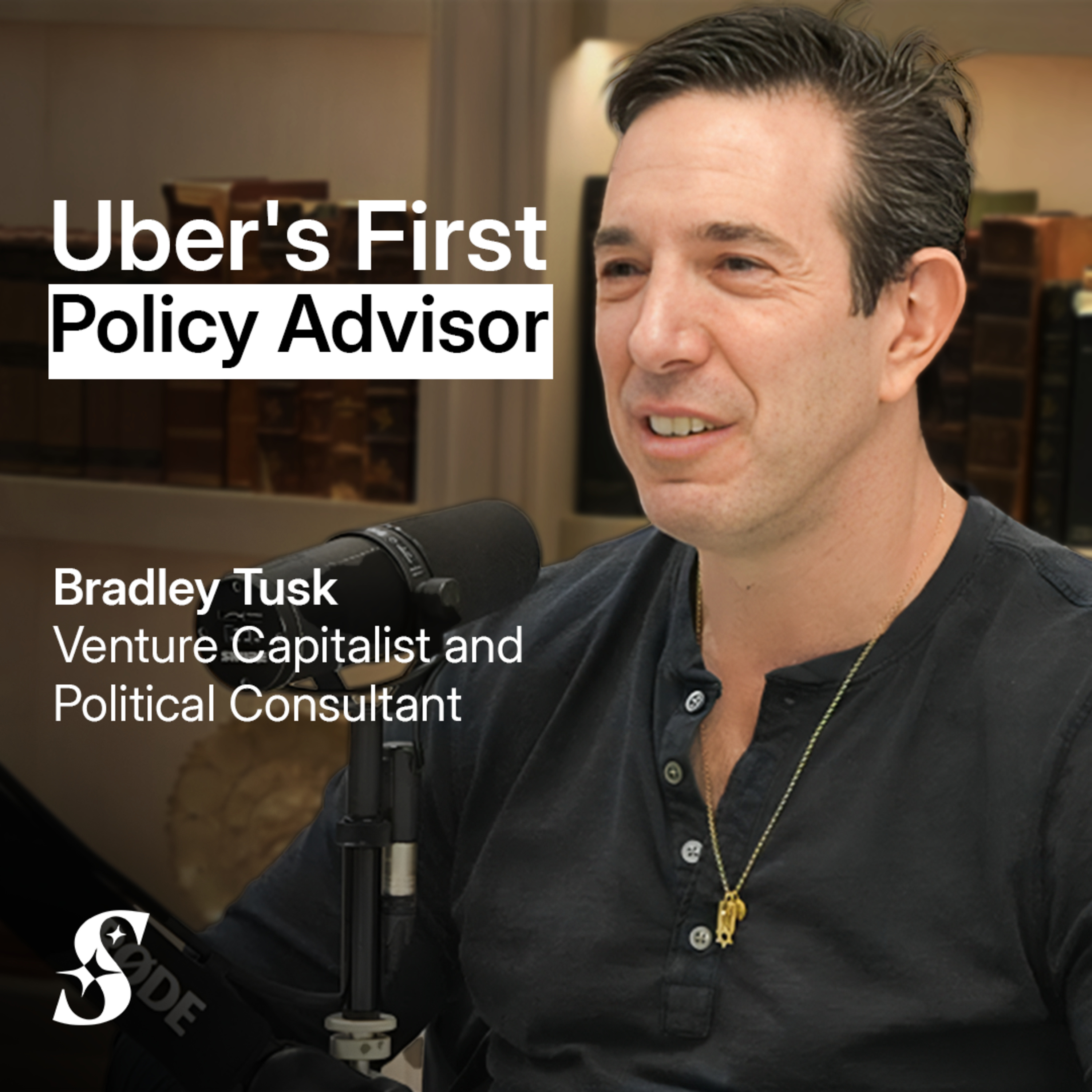
Instead of seeking permission, Uber launched first to demonstrate its superior service. When regulators tried to shut them down, the company leveraged its loyal customer base to create overwhelming public and political pressure, effectively making users its most powerful lobby.

Unlike past tech waves where companies resisted government oversight, today's AI leaders are actively inviting it. This is a strategic move to shape regulations in their favor, creating barriers to entry for smaller players and open-source competitors under the guise of safety and responsibility.

Instead of asking for permission, Travis Kalanick built a service so popular that it created public demand for new ride-sharing laws. This demonstrates that radical innovation can force regulatory change by first proving a better alternative exists and making old rules obsolete.
