Get your free personalized podcast brief
We scan new podcasts and send you the top 5 insights daily.
Instead of asking for permission, Travis Kalanick built a service so popular that it created public demand for new ride-sharing laws. This demonstrates that radical innovation can force regulatory change by first proving a better alternative exists and making old rules obsolete.

Related Insights
Travis Kalanick intentionally cut prices to trigger a growth flywheel: lower fares led to more riders, which attracted more drivers, enabling even lower prices. This strategy didn't just steal share from taxis; it fundamentally expanded the total addressable market for personal transportation.

Travis Kalanick initially dismissed using unlicensed drivers as illegal. It wasn't until competitor Lyft successfully launched its peer-to-peer model and proved it could survive regulatory scrutiny that Uber pivoted to adopt the strategy, which became its biggest growth engine.
Co-founder Travis Kalanick pivoted Uber away from founder Garrett Camp's original, capital-intensive idea of buying a fleet of Mercedes. This critical shift to an asset-light platform model, connecting existing drivers with riders, was crucial for rapid, low-cost scalability.
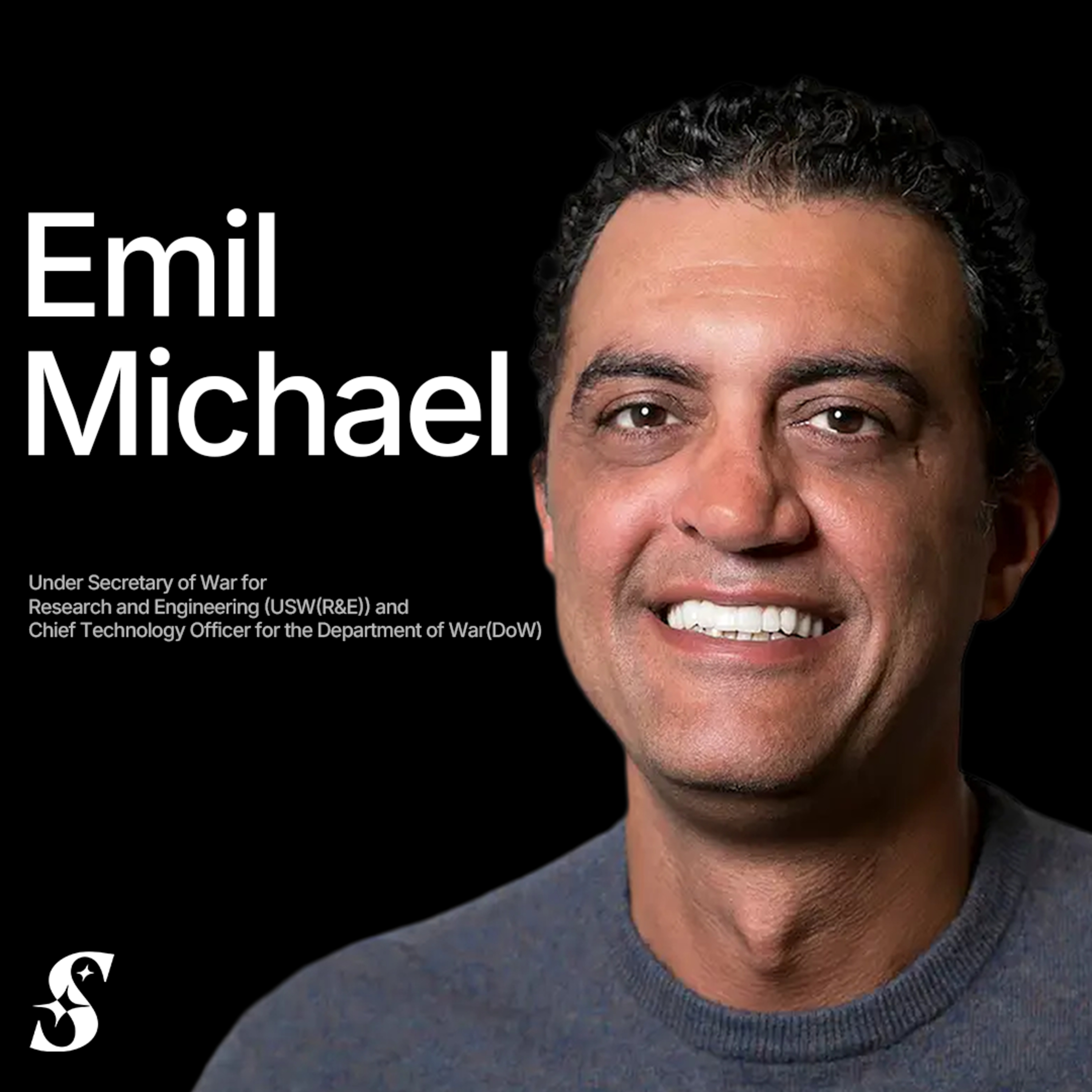
The Under Secretary of War, a former Uber executive, likens his government role to his startup experience. The key parallel is being a "political disruptor" who examines a massive, entrenched bureaucracy like the Department of War with a "clean sheet of paper," questioning existing processes and empowering change from first principles.
Many laws were written before technological shifts like the smartphone or AI. Companies like Uber and OpenAI found massive opportunities by operating in legal gray areas where old regulations no longer made sense and their service provided immense consumer value.

To get rule changes from giants like Visa and MasterCard, Square didn't fight them. Instead, they showed how their technology would bring millions of new, smaller merchants onto the credit card network—a market the incumbents' existing system was too expensive and complex to reach.

While government intervention has a role, new entrepreneurs are a better solution for dismantling monopolies. The grocery chain A&P dominated the market, resisting small government limits, but was ultimately unseated not by regulation, but by the next wave of innovators who created the modern supermarket.

Dubbed "Travis's Law," Uber's core political innovation was turning its passionate customer base into a powerful lobbying force. By building advocacy tools directly into their product, startups can mobilize users to defeat powerful, entrenched incumbents in regulated industries.
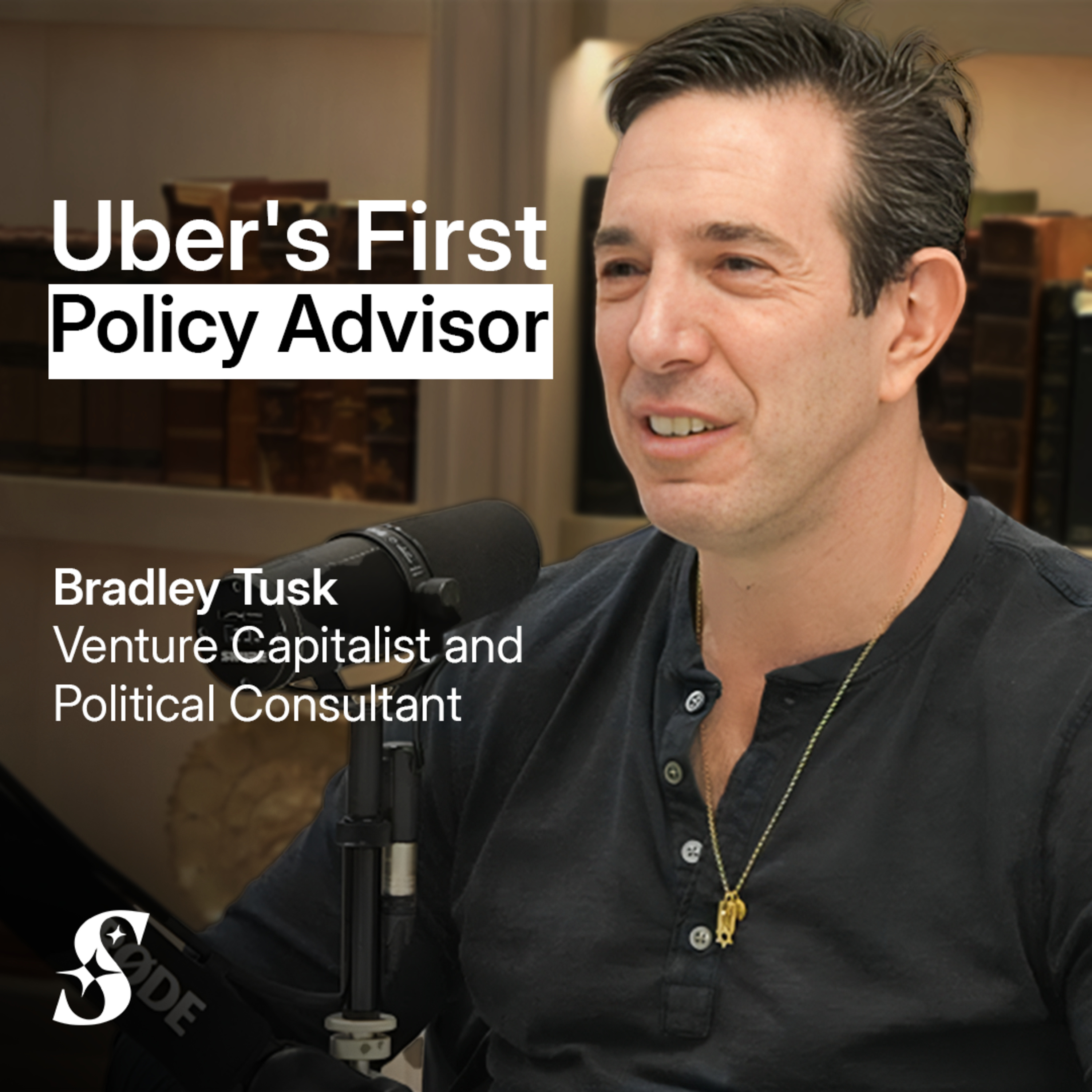
Early competitors failed because they tried to partner with existing taxi fleets, inheriting their inefficiencies. Uber's key strategic advantage was building a parallel system with non-taxi drivers, allowing it to scale frictionlessly and deliver a superior, technology-driven experience.
Instead of seeking permission, Uber launched first to demonstrate its superior service. When regulators tried to shut them down, the company leveraged its loyal customer base to create overwhelming public and political pressure, effectively making users its most powerful lobby.