Get your free personalized podcast brief
We scan new podcasts and send you the top 5 insights daily.
Peacework Puzzles founders used their existing creative agency to cover living expenses. This allowed them to bootstrap their puzzle company without the pressure of fundraising or immediate profitability, giving them complete creative control and autonomy.

Related Insights
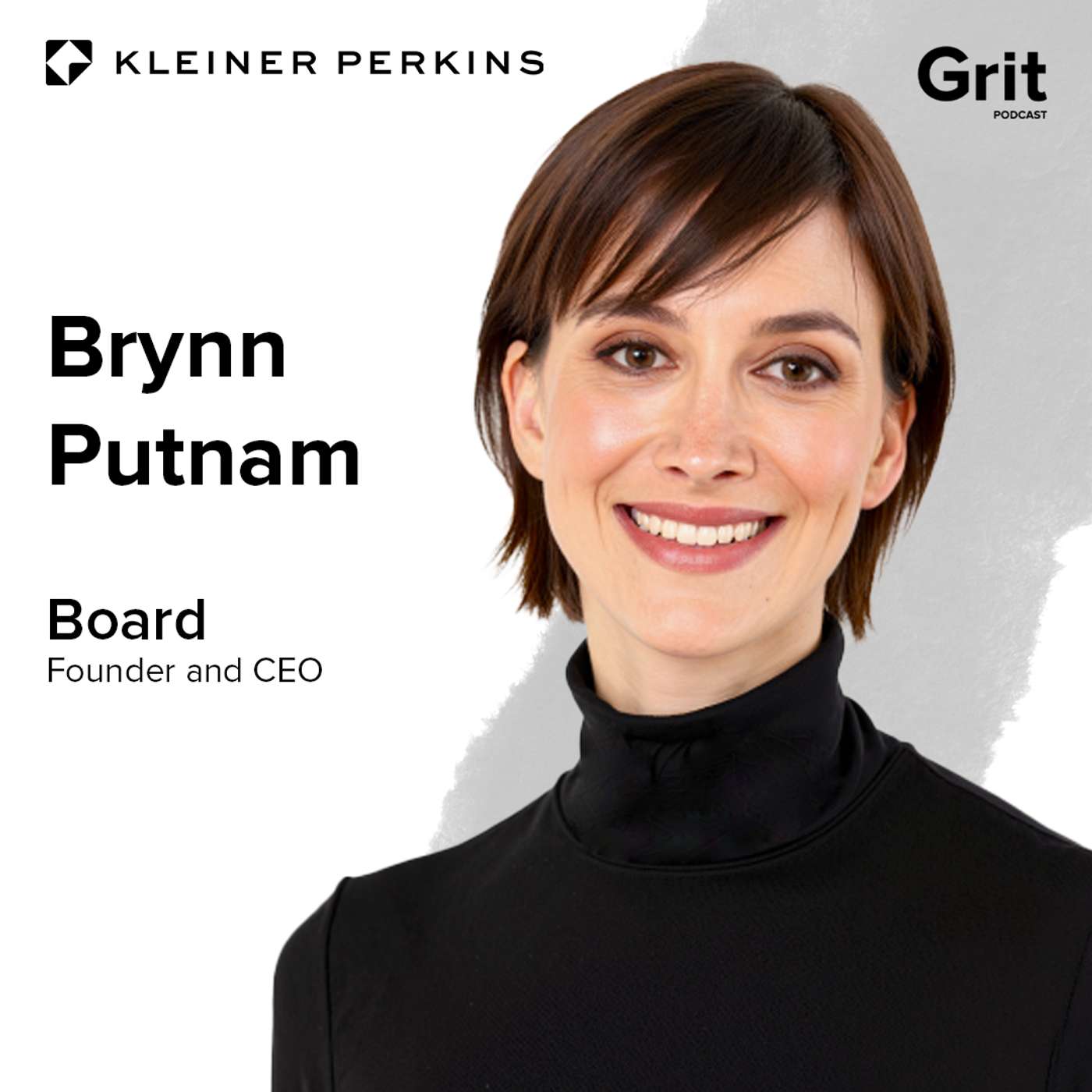
Before raising venture capital for Mirror, founder Bryn Putnam bootstrapped the initial year of R&D using profits from her four successful fitness studios. This provided non-dilutive capital and a safety net, allowing her to explore the high-risk hardware concept without immediate investor pressure.
Instead of choosing between going all-in or shutting down a struggling business, consider a hybrid approach. The founder can return to a full-time job for financial stability, turning the venture into a side hustle. This reduces pressure while allowing them to use targeted, low-cost marketing to rebuild demand and potentially scale back up later.

By selling your personal time at a premium to one client, you can cover your personal living expenses. This frees up 100% of the business's revenue for reinvestment, dramatically accelerating growth without needing external capital. It's a key bootstrapping strategy.

Monologue creator Naveen Nadeau arranged to work three days a week at his old job while exploring new ideas. This provided financial stability and runway, allowing him to experiment with less pressure before committing full-time to his own venture.

It's highly feasible to build a major brand while working a day job. The founder of Liquid Death developed the concept while an employee at VaynerMedia. This strategy allows for market validation and brand development before taking the full entrepreneurial leap, significantly minimizing personal financial risk.
To maintain product focus and avoid the 'raising money game,' the founders of Cues established a separate trading company. They used the profits from this successful venture to self-fund their AI startup, enabling them to build patiently without being beholden to VC timelines or expectations.

To bootstrap her company, the founder rented out her spare bedroom on Airbnb. This income covered her mortgage, freeing up 100% of business revenue for reinvestment. As a bonus, guests often became temporary helpers and early brand evangelists.

Brent Ridge, who started his business during the 2008 recession, advises founders in today's chaotic economy to mitigate risk. He suggests either having a partner with a stable career or maintaining a side job to ensure a steady income while launching the new venture, countering the 'all-in' mentality.

Accel Events' founder challenges the 'go all in' mantra. He worked a day job for 5 years to bootstrap to $1M ARR. He argues this path, while slower, de-risks the business and proves the concept, allowing founders to hold onto significant ownership instead of raising a large, dilutive seed round early on.

When pivoting, identify the minimum work required in your current role to cover essential expenses. Reaching this "enough point"—and not exceeding it—provides financial security while creating the time and creative energy needed to explore and build your next venture safely.
