Get your free personalized podcast brief
We scan new podcasts and send you the top 5 insights daily.
To bootstrap her company, the founder rented out her spare bedroom on Airbnb. This income covered her mortgage, freeing up 100% of business revenue for reinvestment. As a bonus, guests often became temporary helpers and early brand evangelists.
Related Insights
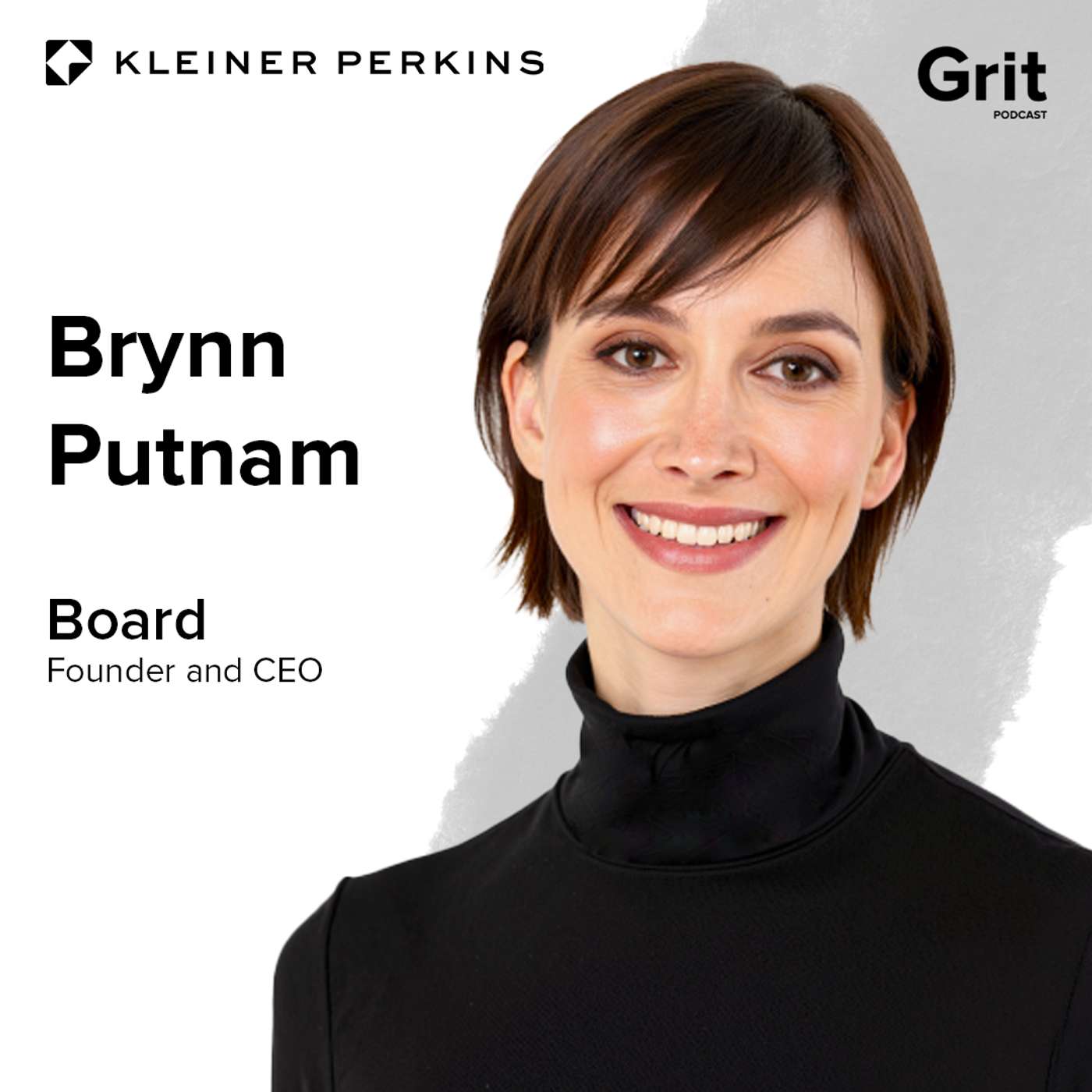
Before raising venture capital for Mirror, founder Bryn Putnam bootstrapped the initial year of R&D using profits from her four successful fitness studios. This provided non-dilutive capital and a safety net, allowing her to explore the high-risk hardware concept without immediate investor pressure.
In the early days, Baer negotiated deals to live rent-free in the homes she was staging. This clever arrangement solved her personal housing crisis and eliminated overhead, allowing her to bootstrap her business and build a client base with zero capital.

By selling your personal time at a premium to one client, you can cover your personal living expenses. This frees up 100% of the business's revenue for reinvestment, dramatically accelerating growth without needing external capital. It's a key bootstrapping strategy.

Instead of chasing massive, immediate growth, Chomps' founders focused on a sustainable, self-funded model. This gradual scaling allowed them to control their destiny, prove their model, and avoid the pressures of early-stage investors, which had burned one founder before.

Despite a $50 million exit from their previous company, the Everflow founders intentionally limited their initial investment to a few hundred thousand dollars and didn't take salaries for two years. They believed capital scarcity forces focus and efficiency, preventing wasteful spending while they were still figuring out the product.

Young entrepreneurs often fail to scale because they withdraw profits for status symbols. The key to growth is radical reinvestment into the business, primarily in talent, while living on a minimal salary for as long as possible.

Emma Hernan, who bootstrapped her company, observed funded competitors fail by spending investor money carelessly. Her advice to funded founders is to adopt a bootstrapped mentality, treating every external dollar with the same discipline as if it were their last personal dollar to ensure prudent capital allocation.

Baer accidentally started her staging company using her personal furniture to decorate a friend's house for sale. This barter-like arrangement solved her immediate need for storage and a place to live, kickstarting an entirely new business model.
Accel Events' founder challenges the 'go all in' mantra. He worked a day job for 5 years to bootstrap to $1M ARR. He argues this path, while slower, de-risks the business and proves the concept, allowing founders to hold onto significant ownership instead of raising a large, dilutive seed round early on.