Get your free personalized podcast brief
We scan new podcasts and send you the top 5 insights daily.
In response to losing control of Panama Canal ports, China is using "informal directives" to detain Panamanian-flagged ships. This elegant form of economic warfare creates costly delays in global trade, demonstrating leverage without overt military action.

Related Insights
By attacking just a few ships, Iran creates enough perceived risk to make insurance carriers unwilling to cover vessels transiting the Strait of Hormuz. This effectively disrupts 20% of the world's oil supply without needing a large-scale military blockade, a key tactic in asymmetric economic warfare.

The strategic competition with China is often viewed through a high-tech military lens, but its true power lies in dominating the low-tech supply chain. China can cripple other economies by simply withholding basic components like nuts, bolts, and screws, proving that industrial basics are a key geopolitical weapon.

Modern global conflict is primarily economic, not kinetic. Nations now engage in strategic warfare through currency debasement, asset seizures, and manipulating capital flows. The objective is to inflict maximum financial damage on adversaries, making economic policy a primary weapon of war.

Major container lines will divert entire fleets on longer, more expensive routes around continents based solely on the threat of attack, as seen with the Houthis in the Red Sea. The perception of risk, not just the occurrence of incidents, is a primary driver of costly, system-wide disruptions in logistics.

A Panamanian court voiding a Hong Kong firm's port contract signals a new front in the U.S.-China rivalry. The U.S. sees Chinese control over the canal—which handles 40% of its container traffic—as a critical security threat, while China is determined to protect its strategic infrastructure investments. This conflict could become a major bellwether for broader geopolitical tensions.

Iran doesn't need a naval blockade to close the Strait of Hormuz. The mere threat of drone and missile attacks is enough to deter shippers and insurers, creating a "de facto closure." This asymmetrical strategy highlights how psychological warfare can be as effective as direct military action in disrupting global trade.
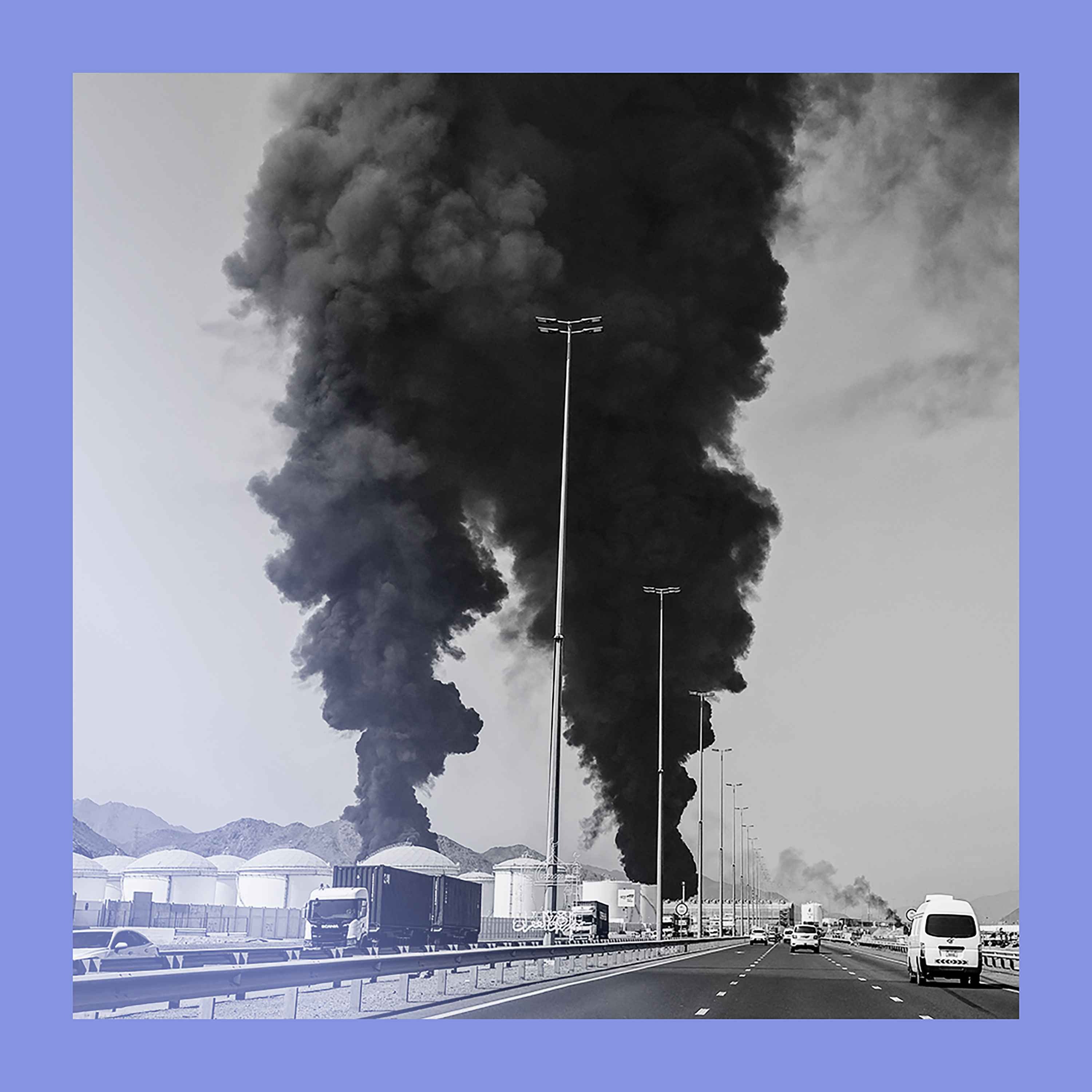
China is completely dependent on US-policed sea lanes for oil and food. The U.S. could trigger a civilizational collapse, potentially killing half the population, by simply using a few destroyers to stop energy and food flows near Singapore. This can be done without a direct military confrontation on Chinese soil.

A militarily weaker nation can effectively counter a superpower by creating targeted fear and risk in a vital economic channel, like a shipping strait. By making insurance prohibitively expensive and transit dangerous, they can achieve strategic goals without needing to win a conventional military engagement.

Instead of a full-scale invasion, China is employing an "anaconda strategy" of constant, low-level pressure. Tactics like cutting undersea cables and sending drones are designed to exhaust and demoralize Taiwan, making a military response from the US difficult to justify.
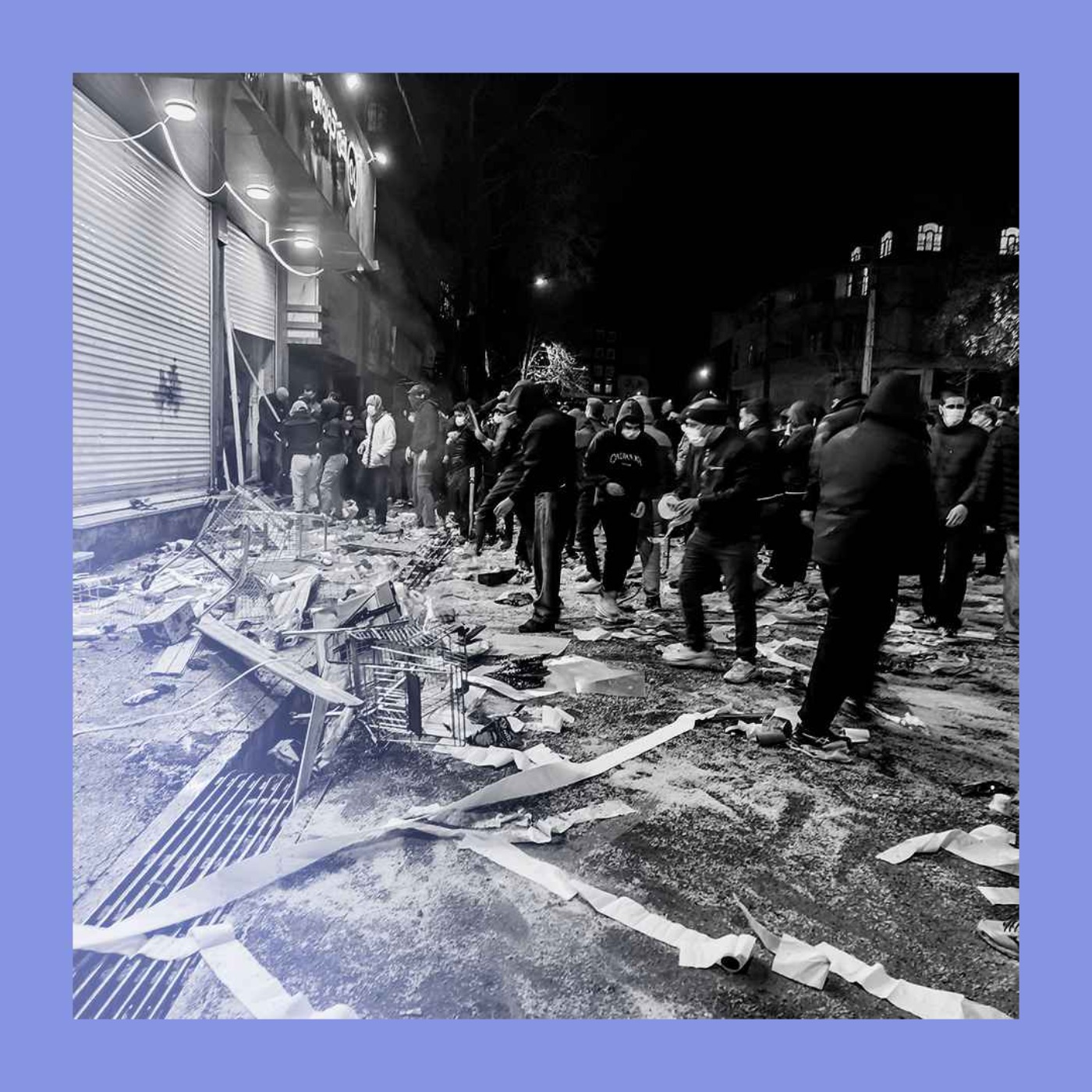
The primary danger to the West's technology infrastructure is not a Chinese invasion of Taiwan, but a simple naval blockade. This less aggressive act could halt the flow of 90% of the world's advanced microprocessors, crippling Western economies and defense systems without firing a shot.
