Get your free personalized podcast brief
We scan new podcasts and send you the top 5 insights daily.
The current state of conflict with Iran is a protracted "no war, no peace" situation. While better than all-out war, this stalemate is not a sustainable long-term solution for the region, Iran, or the US, and requires substantive discussions to achieve lasting peace.

Related Insights
In the conflict over the Strait of Hormuz, both the US and Iran have backed themselves into rhetorical corners. A graceful diplomatic exit that allows both sides to save face seems impossible, making a return to active military hostilities a probable outcome driven by political and economic pressures.

The US-Iran conflict cycle demonstrates that when neither side can achieve a decisive military or economic victory, and both are unwilling to compromise, the result is a protracted stalemate. Limited strikes and sanctions inflict pain but fail to force capitulation, leading to an endless loop of low-grade warfare and failed diplomacy.

The US-Iran agreement is a "deal to do more deal making," deferring critical issues like the nuclear program and long-term sanctions. This approach secures short-term stability but fails to resolve underlying conflicts, creating a high probability that the crisis will re-ignite once the interim negotiation period ends.
The recent exchange of strikes between the US and Iran is not just random escalation but a form of negotiation. Both sides are using limited military action to demonstrate their leverage and resolve, attempting to shape the terms of ongoing low-level discussions without engaging in all-out war.

The dangerous stalemate between the US and Iran continues because each side believes it has greater endurance. Tehran thinks it can hold out for months while the US economy suffers, while Washington believes Iran is on the brink of collapse. This mutual overconfidence prevents urgent, good-faith negotiations.
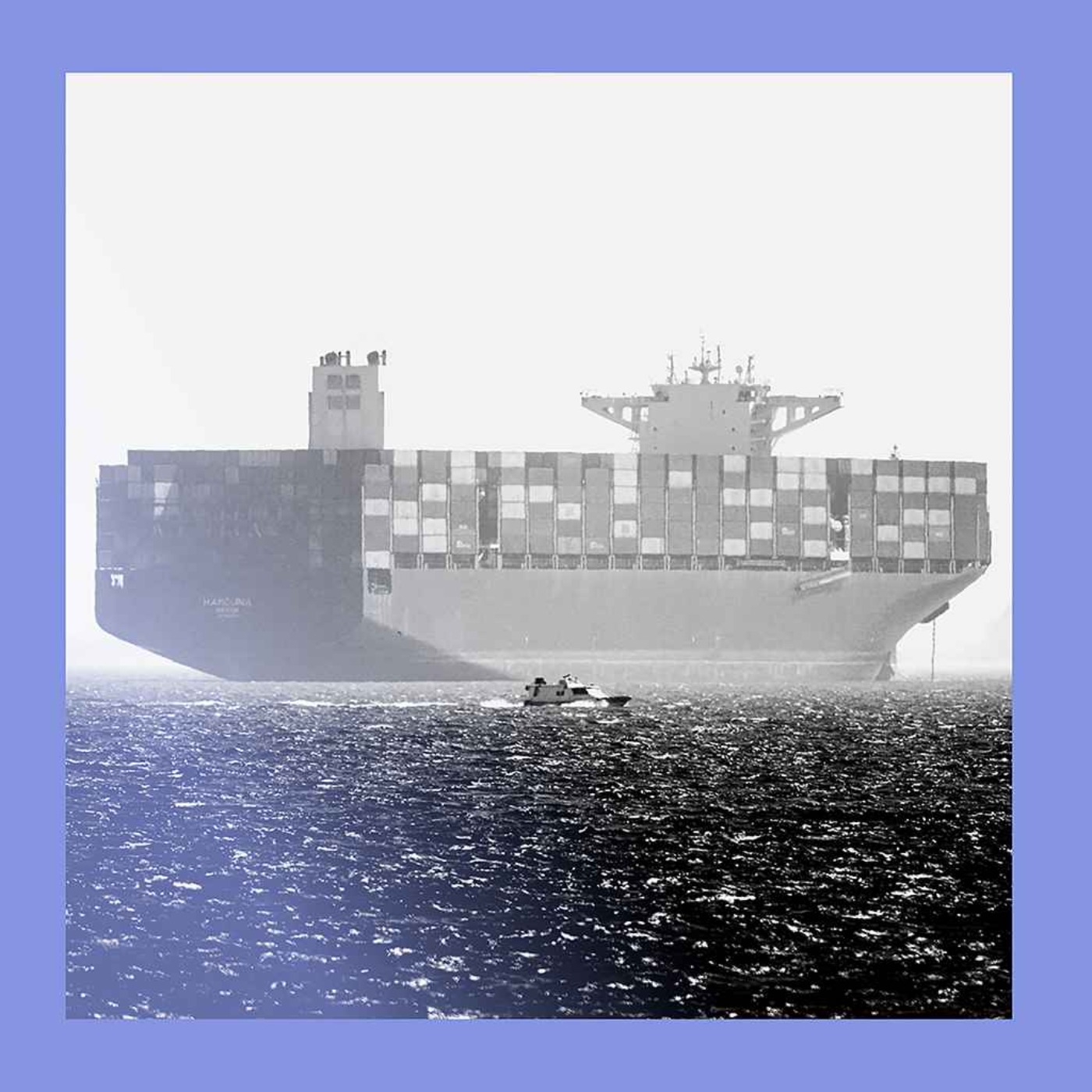
The UAE sees Iran's actions in the Strait of Hormuz not as a permanent policy, but as a negotiating position. This leverage is intended for eventual, broader negotiations with the United States, which will ultimately center on Iran's nuclear program.
Iran's strategy is not to win a conventional war but to play a waiting game, believing it can withstand damage until the U.S. loses its political will to continue the conflict, especially with an unpopular president facing midterms. This turns the situation into a potential "forever war" where the exit strategy is the main challenge.

A wargame simulating a Strait of Hormuz conflict just before the actual events accurately foresaw the outcome: a low-intensity, cyclical "drone war" with no decisive military solution. This highlights the value of wargaming in setting realistic expectations for conflicts that lack clear military resolutions.

The President is in a strategic corner over Iran. He cannot politically withdraw while the Strait of Hormuz is closed, as it would be seen as a major defeat. Yet, every day the conflict continues, Iran claims a symbolic victory merely by surviving, making the situation a losing proposition for the U.S. regardless of the outcome.

The temporary US-Iran ceasefire is fundamentally fragile because the core demands are mutually exclusive. Iran insists on its right to enrich uranium, while the US demands it swears off enrichment entirely. This core conflict makes a permanent deal highly improbable, regardless of short-term de-escalation.