Get your free personalized podcast brief
We scan new podcasts and send you the top 5 insights daily.
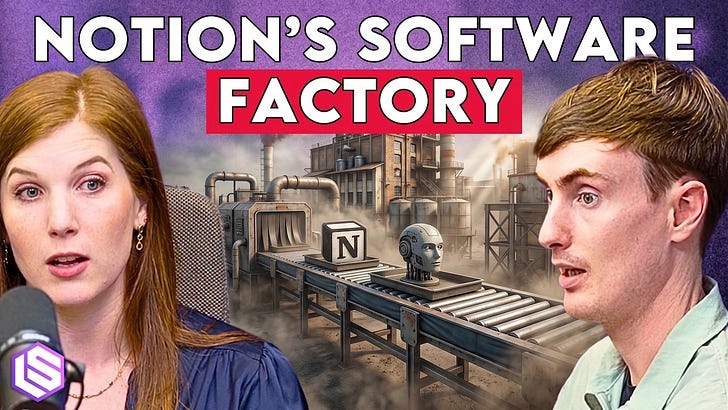
Zhao structures Notion to be like a jazz band, where talented individuals can improvise and shine, rather than a rigid marching band with a top-down structure. This model is better suited for the experimental, fast-changing nature of the AI era.

Related Insights
Z.AI's culture mandates that technical leaders, including the founder, remain hands-on practitioners. The AI field evolves too quickly for a delegated, hands-off management style to be effective. Leaders must personally run experiments and engage with research to make sound, timely decisions.

Huang eschews traditional hierarchy, engaging directly with employees at all levels and delivering feedback publicly. This "parallel processing" management style ensures rapid, simultaneous learning across the organization, mirroring the architecture of the GPUs his company builds and creating a uniquely flat structure for a company of its size.

Notion's CEO argues that LLMs democratize raw capability (like writing or coding), making it a commodity. The most important hiring criteria are now "taste" (a strong value system and direction) and "agency" (the will to get things done).
In an AI-centric company, traditional management layers are replaced by three durable roles: Individual Contributors (builders), Directly Responsible Individuals (owners of outcomes), and Player Coaches (mentors who also build and show, rather than just tell).
In the rapidly evolving AI space, rebuilding systems is common. Notion actively fosters a culture where engineers are driven by company goals, not attached to their past work. This prevents friction and allows the team to swarm problems and pivot quickly as capabilities change.
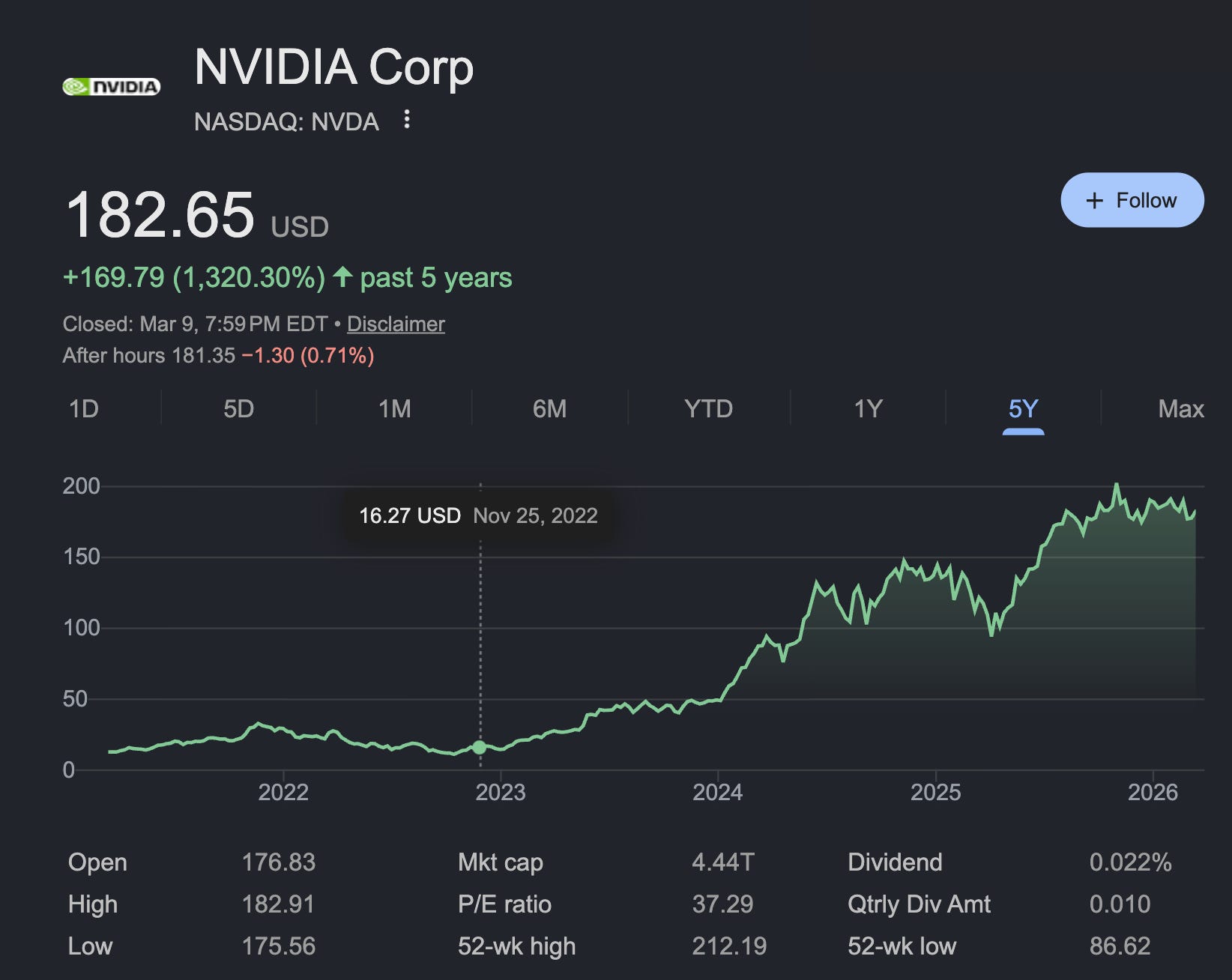
Unlike typical large corporations with rigid roles, NVIDIA encourages a fluid structure where employees can pursue their interests and propose new initiatives. This "pickup basketball" culture allows talent to self-organize around compelling projects, leading to state-of-the-art work across many domains.
To match the pace of AI startups, large companies require explicit, top-down cultural mandates. At Amplitude, the CEO banned 'decisions by committee' to empower individuals and accelerate shipping. This leadership action is crucial because ICs cannot unilaterally adopt such a culture.

Notion skips mid-level hires, focusing on a "barbell" shape: junior engineers who are highly productive with AI tools and senior engineers who provide architectural direction and "taste," which AI lacks. This maximizes leverage and mentorship.
The traditional "assembly line" model of product development (PM -> Design -> Eng) fails with AI. Instead, teams must operate like a "jazz band," where roles are fluid, members "riff" off each other's work, and territorialism is a failure mode. PMs might code and designers might write specs.

To prevent stagnation as the company scales, Notion intentionally acquires small, founder-led startups. These 50+ acquired founders act as internal disruptors, injecting entrepreneurial energy, breaking down bureaucracy, and constantly regenerating the company's innovative spirit.