Get your free personalized podcast brief
We scan new podcasts and send you the top 5 insights daily.
In an AI-centric company, traditional management layers are replaced by three durable roles: Individual Contributors (builders), Directly Responsible Individuals (owners of outcomes), and Player Coaches (mentors who also build and show, rather than just tell).

Related Insights
Don't think of AI as replacing roles. Instead, envision a new organizational structure where every human employee manages a team of their own specialized AI agents. This model enhances individual capabilities without eliminating the human team, making everyone more effective.

Cash App is moving beyond siloed roles like "designer" or "PM." They see three fluid archetypes: DRIs who set vision, ICs who build with high craft, and Player-Coaches who lead teams while remaining accountable for output, eliminating pure "people managers."

Laurel's CPO hires at the extremes: very senior, autonomous PMs who act like GMs and very junior, curious builders. This model eliminates mid-level roles focused on internal coordination and politics, which are too slow for the pace of AI development.

Leading in an AI era is less about managing people and more about designing systems of agents, workflows, and data. The focus shifts from interpersonal skills to architectural thinking, making leadership a builder role again. People who enjoy 'doing the thing' will thrive.
The CEO's primary job shifts from making top-down decisions to designing the company's intelligence system. Their focus becomes ensuring the human employees properly align this system towards the right outcomes, rather than managing chains of command.
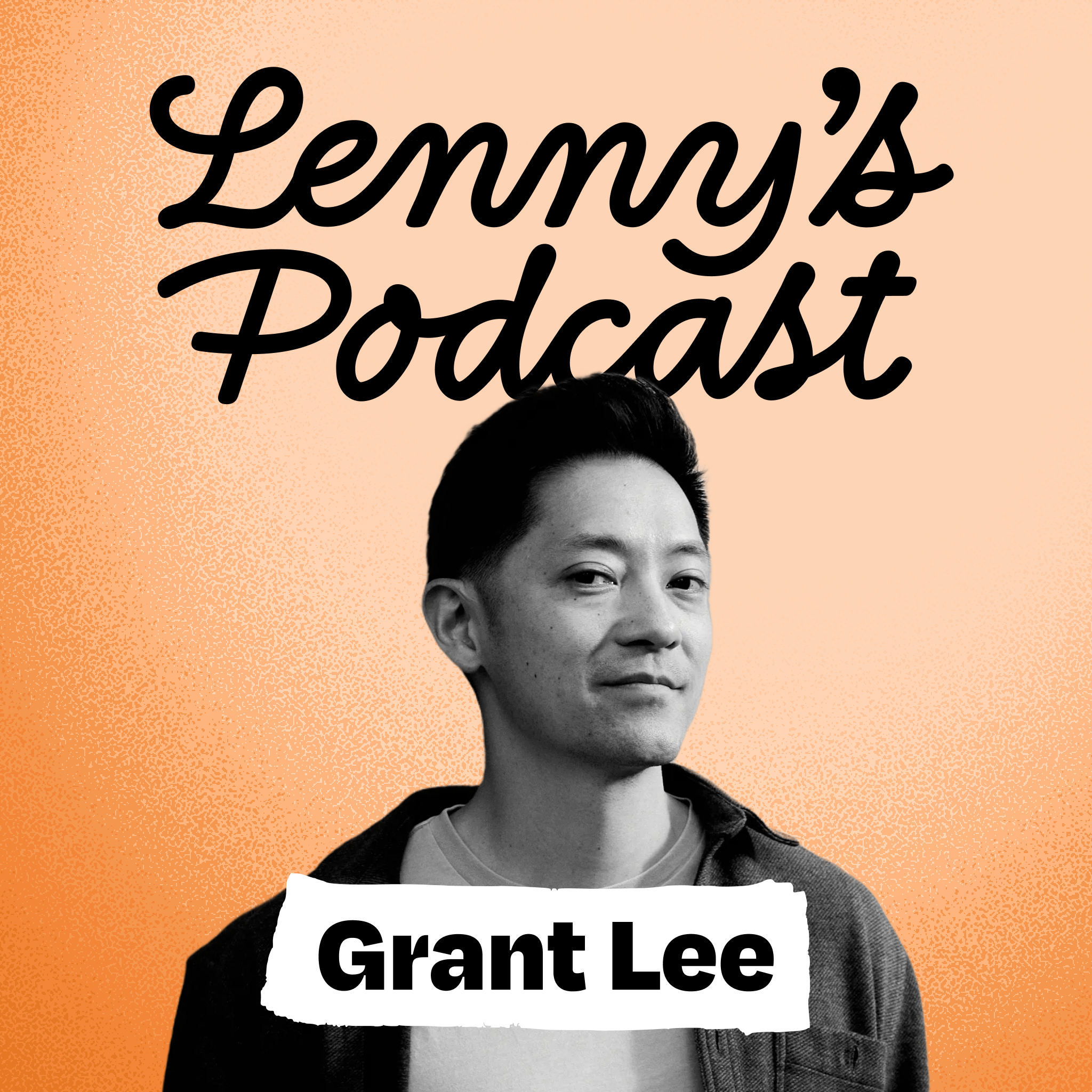
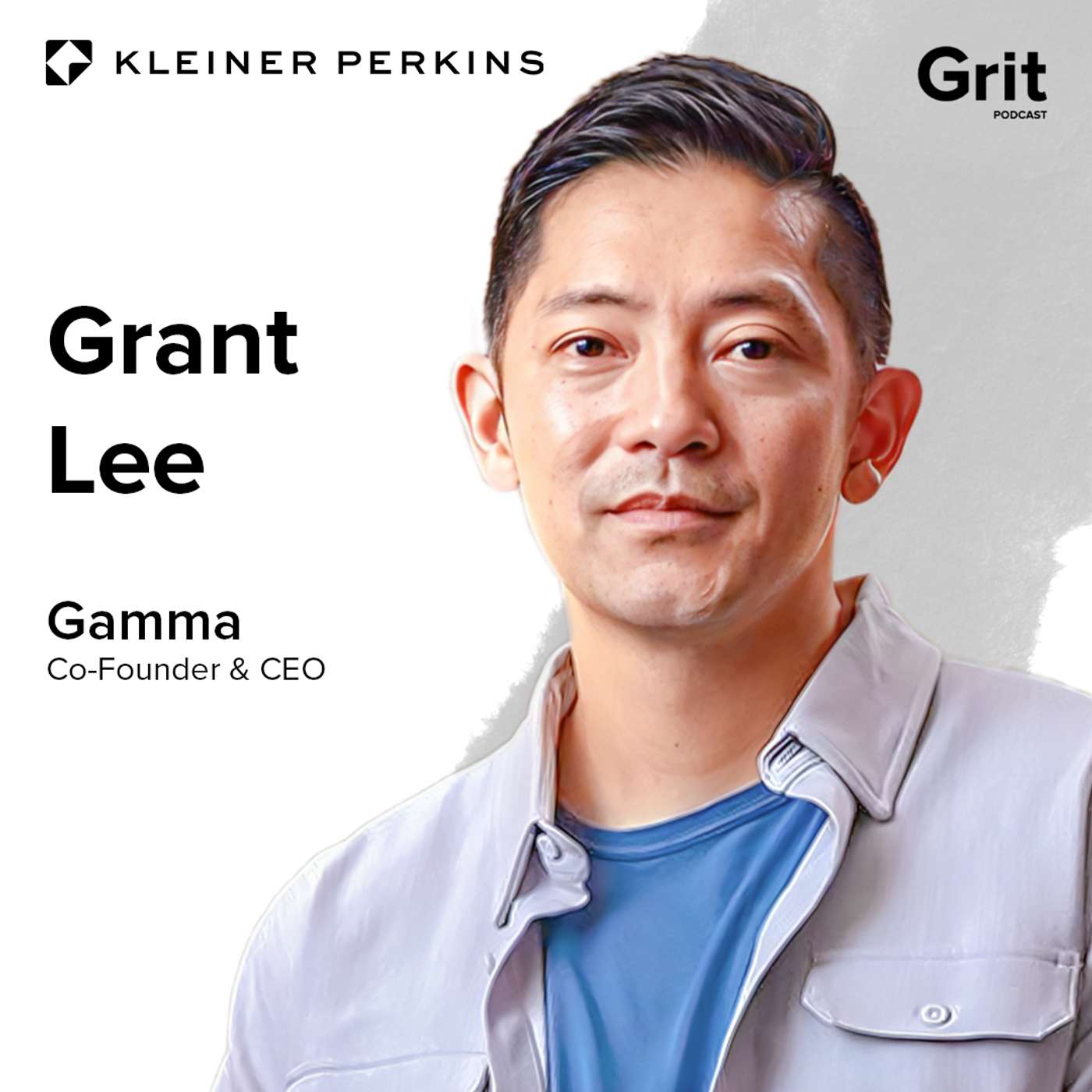
Gamma maintains a flat, high-impact organization by eschewing traditional managers. Instead, all leaders are "player-coaches"—they actively contribute as individual contributors while also mentoring their teams. This keeps leadership close to the work and empowers teams to adapt quickly without top-down commands.
The exponential increase in individual output from AI tools negates the need for traditional, multi-layered management structures. Cash App flattened its design org to just three layers from the CEO, enabling faster decision-making and adaptation to rapid technological change.
Instead of traditional managers, Gamma hires "player-coaches"—leaders who actively contribute to the work, like shipping code, while also mentoring their team. This model maintains a flat structure, keeps leadership grounded, and works best in a lean organization.
AI tools serve as an "antidote to the managerial revolution" by empowering individual contributors to build and deploy solutions directly. This bypasses bureaucratic layers of middle management, accelerates innovation, and shifts the power balance within organizations back to frontline workers.

Shift from departments staffed with people to a single owner who directs AI agents, automations, and robotics to achieve outcomes. This structure maximizes leverage and efficiency, replacing the old model of "throwing bodies" at problems.
