Get your free personalized podcast brief
We scan new podcasts and send you the top 5 insights daily.
While sought for its muscle-building and anti-aging effects, growth hormone has a significant downside: it can induce insulin insensitivity, causing A1c levels to rise. This is a well-understood trade-off in the bodybuilding community, where you must get lean enough to handle taking growth hormone.

Related Insights
The biological principle of "antagonistic pleiotropy" suggests a trade-off between vitality and longevity. Hormones and growth factors that enhance vigor and muscle growth when young, such as IGF-1, may accelerate aging processes and ultimately shorten lifespan later in life.
Insulin resistance manifests in non-obvious physical signs long before blood sugar becomes abnormal. These include skin tags, velvety darkened skin on the neck (acanthosis nigricans), and loss of hair on the toes. These are early warning signs of metabolic dysfunction that can be visually identified.

High-profile individuals frequently combine GLP-1 agonists (for insulin sensitivity), growth hormone secretagogues, and androgen therapies (like TRT) to rapidly lose fat and gain muscle. This stack is behind many dramatic physical changes seen in CEOs and celebrities.
Many clinicians mistakenly believe insulin's main role is blood glucose control. In reality, it's a master hormone signaling every cell—from brain to bone—to store energy. This function is so powerful it can slow the body's overall metabolic rate to prioritize energy storage.

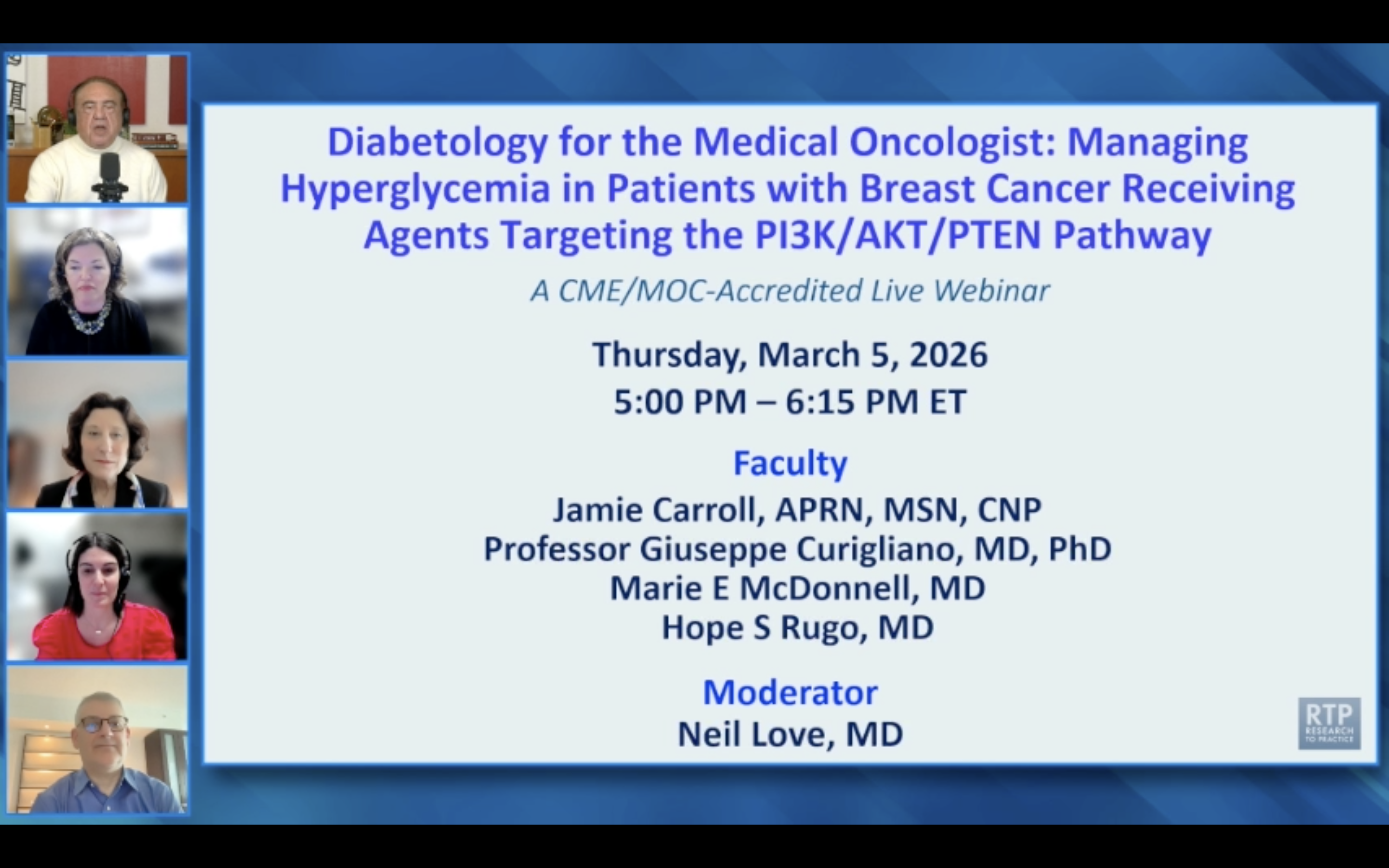
Clinicians are hesitant to use insulin for PI3K inhibitor-induced hyperglycemia. The primary concern is that exogenous insulin, a potent growth factor, could theoretically counteract the therapy's anti-tumor effect by promoting cancer cell survival, although this risk remains unproven.
The body compensates for high sugar intake by producing excess insulin. This chronic high insulin (hyperinsulinemia) causes metabolic damage like fatty liver and visceral fat accumulation long before blood sugar becomes uncontrollable and diabetes is diagnosed.

Counterintuitively, if your blood sugar doesn't spike after consuming sugar, it may not mean you're healthy. It could indicate your body is overproducing insulin to compensate, a sign of advanced insulin resistance which often precedes prediabetes.

The temporary increase in hormones like testosterone and growth hormone after a workout is not the primary driver of long-term muscle growth. Structuring workouts specifically to maximize this acute response is ineffective and not predictive of long-term adaptation.
The mechanism of GLP-1s extends far beyond fat reduction. By increasing insulin sensitivity in every cell—liver, kidney, nerve cells—they effectively help cells process insulin like they did when younger. This positions them as a pervasive longevity product, similar to statins, for pushing back on age-related decline.
The hyperglycemia from PI3K/AKT inhibitors is due to insulin resistance, not lack of insulin. Treatment must focus on insulin sensitizers (metformin, SGLT2 inhibitors). Using agents that increase insulin secretion is counterproductive as it can reactivate the PI3K cancer pathway.