Get your free personalized podcast brief
We scan new podcasts and send you the top 5 insights daily.
Martin Graham, a builder with no formal music training, transformed a chicken shed into a respected opera house in the Cotswolds. His motivation was not profit but the artistic and spiritual endeavor of creating a "high temple to culture." His success demonstrates that passion and a willingness to simply "start digging" can overcome a lack of traditional credentials to create something extraordinary.
Related Insights
Spending years building a business for someone else (even a parent) while being undercompensated is a powerful training ground. It forces a level of conviction, humility, and delayed gratification that can lead to explosive growth once you start your own venture.

Nobel laureate John Martinis attributes his success to growing up building things with his father. This hands-on experience gave him an intuitive, empirical understanding of physics that proved invaluable for designing and building novel experiments, highlighting the value of practical skills in a theoretical field.
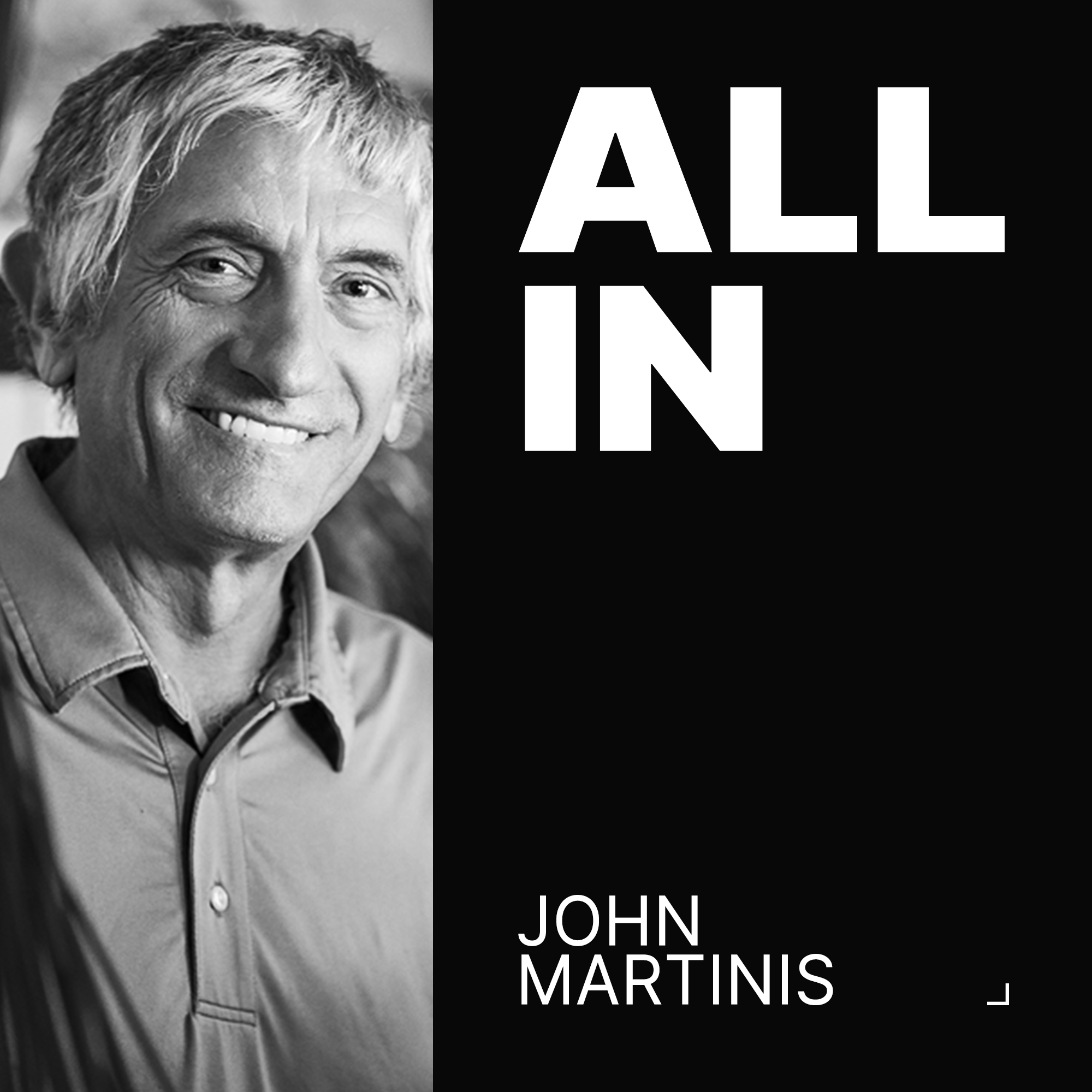
The Profound CEO's decision to start a door-to-door gold-selling business instead of attending university was a formative "breakout of the matrix moment." This early, unconventional success instilled a deep-seated belief that one can forge their own path without following a traditional script.
Khosla's childhood habit of renting old tech magazines in Delhi demonstrates that a deep, resourceful passion for a subject is a more powerful driver for innovation than access to elite resources or formal education.

The founders leveraged non-business backgrounds as an advantage. Modeling experience drove the brand's aesthetic vision, while a history in music and community organizing taught them how to build a passionate team and following without significant financial resources.

The founder of Beluga Labs isn't passionate about tax codes. His motivation comes from the end result: creating sustainable financial channels that allow creators to pursue their dreams. This shows that founders can build successful companies in "boring" industries by focusing on the positive human impact of their solution.

Ryan Smith's journey from a high school dropout with a 1.9 GPA to a multi-billionaire demonstrates that early academic or personal struggles are not predictive of long-term entrepreneurial success. A critical turning point can force personal growth and unlock hidden potential.

David Rubenstein reframes the act of putting his name on donated buildings. He explains it's not primarily for ego but to serve as a visible symbol for others, showing that someone from a poor background can achieve great success and give back to their community and country in a meaningful way.

Feeling inferior to prodigious peers, Rahman's musical ability was forged through relentless work. A key factor was a mentor who intentionally played with mistakes to boost the young Rahman's confidence, proving that clever mentorship can be more effective than raw talent.
Before becoming a folk icon, Bob Dylan obsessively studied folk music to its deepest levels, becoming an expert on its history and structure. This foundational knowledge, also seen in artists like Picasso, is the bedrock that enables true, lasting innovation rather than just novelty.
