Get your free personalized podcast brief
We scan new podcasts and send you the top 5 insights daily.
Khosla's childhood habit of renting old tech magazines in Delhi demonstrates that a deep, resourceful passion for a subject is a more powerful driver for innovation than access to elite resources or formal education.

Related Insights
True entrepreneurial success stems from a deep-seated, almost irrational belief that exists before the skills or evidence to support it. Daniel Ek and the founder of Sony both exemplify this, possessing a powerful conviction in their potential long before they achieved massive success.

Dell attributes his four-decade-long drive not to a world-changing mission, but to an insatiable curiosity and the simple fun of solving business challenges, which he views as complex puzzles. This intrinsic motivation has sustained his enthusiasm without dulling over time.

Dr. Li's father prioritized play and curiosity over grades, a stark contrast to the 'tiger parent' stereotype. This "unserious" approach, focused on exploring nature and finding joy in simple things like yard sales, cultivated the inquisitive mindset that later fueled her scientific breakthroughs.

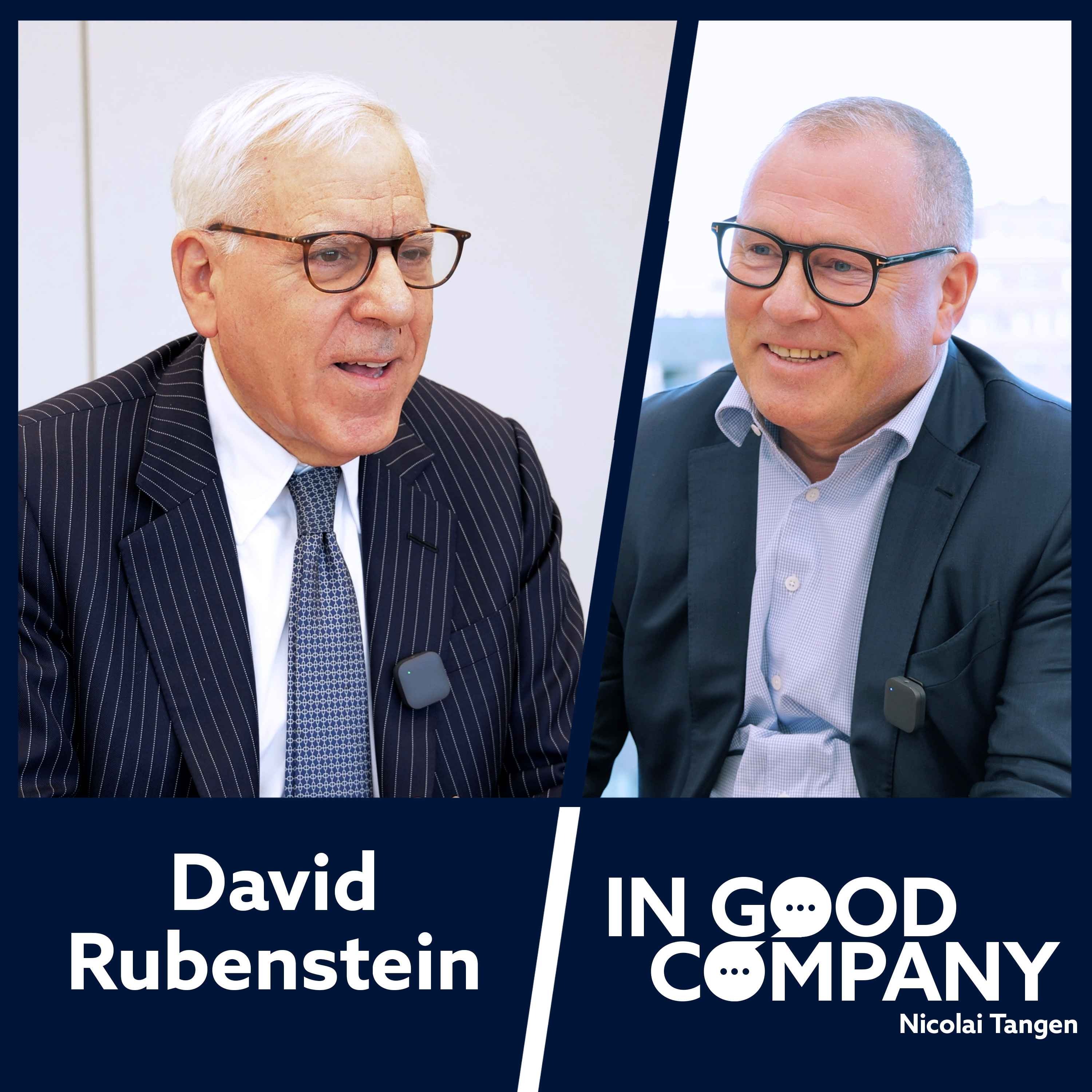
Wealthy upbringings can be a disadvantage for aspiring investors by dulling the intense drive required to endure the profession's challenges. David Rubenstein argues that those from modest backgrounds often possess a 'hunger' and resilience that is critical for success, as they have more to prove and can better handle frequent setbacks.
Khosla's student-led initiatives at IIT—starting the first computer club and biomedical program—show that proactive individuals should build the opportunities they seek rather than waiting for institutions to provide them.
The speaker's mother, who never called herself an entrepreneur, bartered services like renovating a gym to afford her daughter's expensive gymnastics program. This reframes the entrepreneurial mindset not as a formal identity but as a creative, resourceful approach to overcoming limitations.

Vinod Khosla differentiates skeptics, who only see failure, from true contrarians. Entrepreneurs are contrarian about the status quo but fundamentally optimistic about what technology can make possible, enabling them to build the future.
CEO Aravind Srinivas grew up in a culture in Chennai, India, that valued being 'scholarly and well-read' even more than being rich. This deep-seated respect for knowledge became the core driver behind his mission to build Perplexity and democratize access to information.

David Rubenstein posits that individuals from wealthy families may lack the intense drive required for successful investing, as it involves a "tortuous" learning process. Those from more modest backgrounds often possess the necessary hunger and grit to endure the inevitable failures and learn from them.

At 70, Khosla's ambition is to create more change in the next 20 years than in the previous 50. His motivation is the intrinsic satisfaction of solving hard problems, not building a personal legacy for posterity.