Get your free personalized podcast brief
We scan new podcasts and send you the top 5 insights daily.
Pixar requires directors to pitch exactly three distinct story ideas. This constraint is a creative sweet spot: it forces them to move beyond their first idea, preventing anchoring, but also avoids the choice paralysis that comes from brainstorming ten or twenty options.

Related Insights
While junior designers often desire complete creative freedom, experienced professionals learn to value constraints. Instead of seeing them as restrictive, they see them as essential tools for focusing creativity on solving specific, meaningful problems rather than getting lost in ambiguity.

Teams often become 'intellectual piranhas' that critique every new idea to death, stifling innovation. To counter this, use the 'Yes, and...' improv technique from Stanford's Dan Klein. This forces participants to build upon ideas collaboratively rather than shutting them down, fostering a more creative environment.

Pixar's 'no hedging' culture was supported by a rigorous prototyping process. Directors created 'story reels' (moving comic strips) of the entire film 3-4 times a year. This forced rapid iteration and feedback from the studio's 'brain trust,' ensuring quality improved dramatically before full production.

Imposing strict constraints on a creative process isn't a hindrance; it forces innovation in the remaining, more crucial variables like message and resonance. By limiting degrees of freedom, you are forced to excel in the areas that matter most, leading to more potent output.

To avoid generic brainstorming outcomes, use AI as a filter for mediocrity. Ask a tool like ChatGPT for the top 10 ideas on a topic, and then explicitly remove those common suggestions from consideration. This forces the team to bypass the obvious and engage in more original, innovative thinking.

Unconstrained brainstorming often leads to an 'addition bias'—a pile-up of new initiatives without considering resources or removing existing tasks. This results in team burnout and inaction, as people become overwhelmed. Effective ideation must balance adding new ideas with subtracting old commitments.
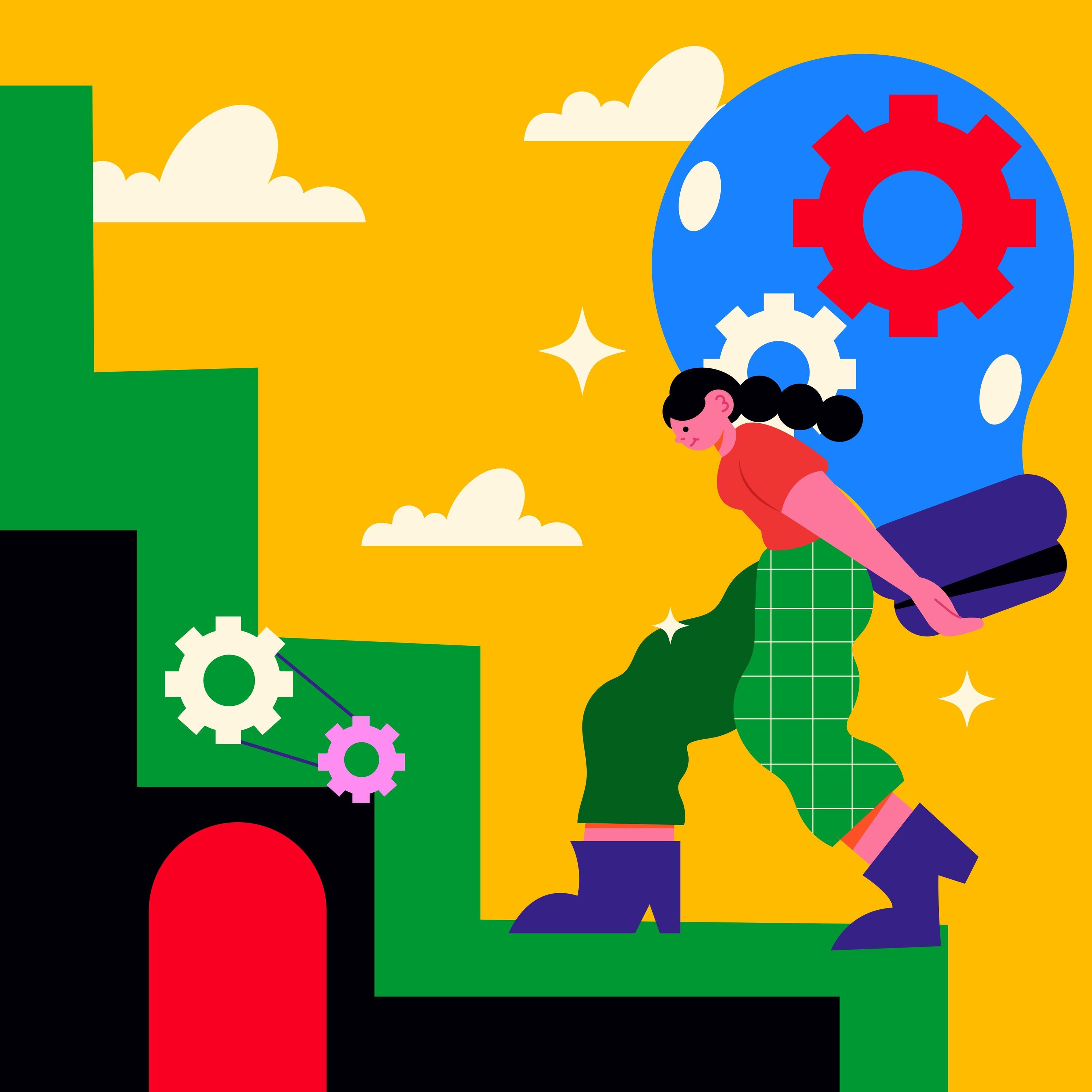
The brain is designed to avoid costly thinking by defaulting to the "path of least resistance." To generate novel ideas, intentionally create a "preclude constraint" by blocking the most obvious or habitual solution. This forces your brain to explore new, more inventive pathways it would otherwise ignore.

Deep experts can be "particularly dangerous" to innovation because their established knowledge can cause them to prematurely shut down novel ideas. Drawing lessons from Pixar, innovative organizations must structure creative processes to ensure that neither experts nor bosses dominate the conversation and stifle nascent concepts.
Deadlines weed out extraneous details and prevent the quest for perfection. They force decisive action, which, as leaders like Ed Catmull and Christopher Nolan have found, can accelerate the creative process rather than hinder it, forcing you to make something different, not just perfect.

Contrary to the idea of limitless brainstorming, true innovation accelerates when leaders define clear boundaries. As seen in Lego's turnaround, providing constraints challenges teams to develop more focused, creative, and profitable solutions within a limited space.
