Get your free personalized podcast brief
We scan new podcasts and send you the top 5 insights daily.
Sundar Pichai reveals the 'ChatGPT moment' catalyzed a major organizational overhaul. He merged the elite Brain and DeepMind research teams into a single 'Google DeepMind' to create a more focused and aggressive AI unit, admitting the need for a new structure to compete effectively.

Related Insights
Former Google SVP Sridhar Ramaswamy reveals that Google has a history of mobilizing intensely against threats, using all-hands-on-deck initiatives. Its recent AI surge isn't surprising to insiders who know its ability to activate a 'war' footing when challenged.

The Gemini project originated from a one-page memo by Jeff Dean arguing Google was fragmenting its best people, compute, and ideas across separate projects in Google Brain and DeepMind. He advocated for a unified effort to build a single powerful multimodal model, leading to the strategic merger that created Gemini.
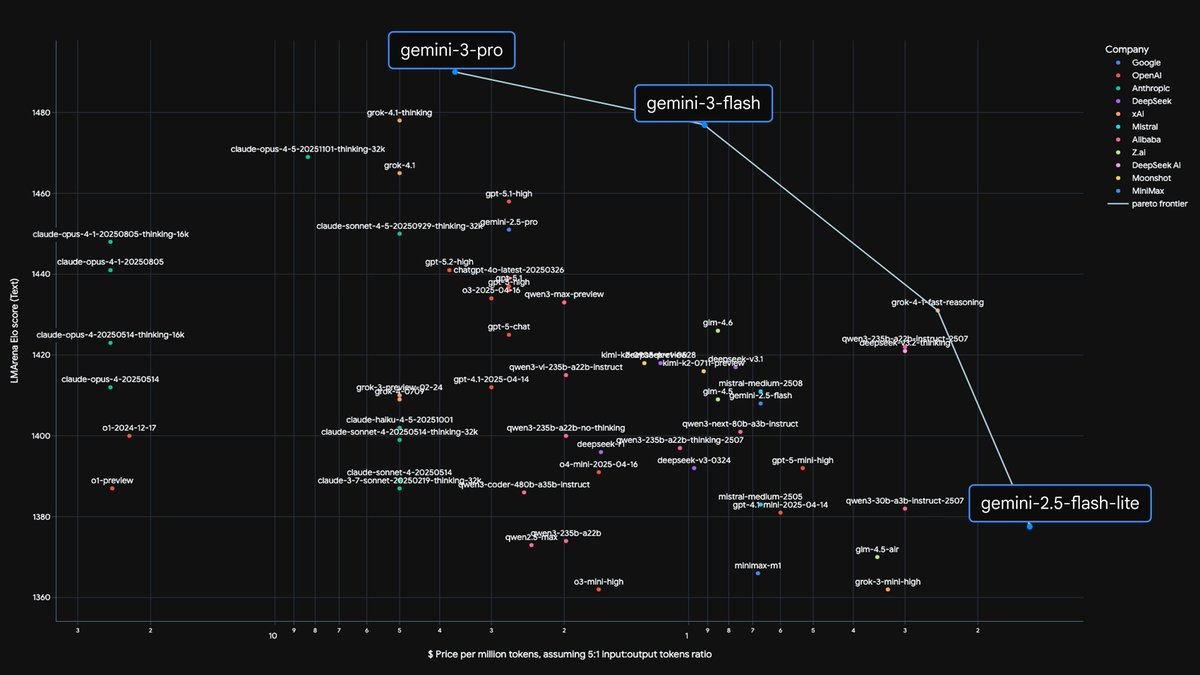
CEO Sundar Pichai sees the 'AI moment' as a way to unify product development. By building on a common infrastructure like Gemini, teams can create consistent, cross-product features, countering the company's reputation for launching fragmented or overlapping products.
Sundar Pichai explains Google didn't productize Transformers into a chatbot first, not due to a research fumble, but because they immediately saw huge ROI applying it to Search. They also held back an internal version (LaMDA) due to a higher bar for safety and product quality.
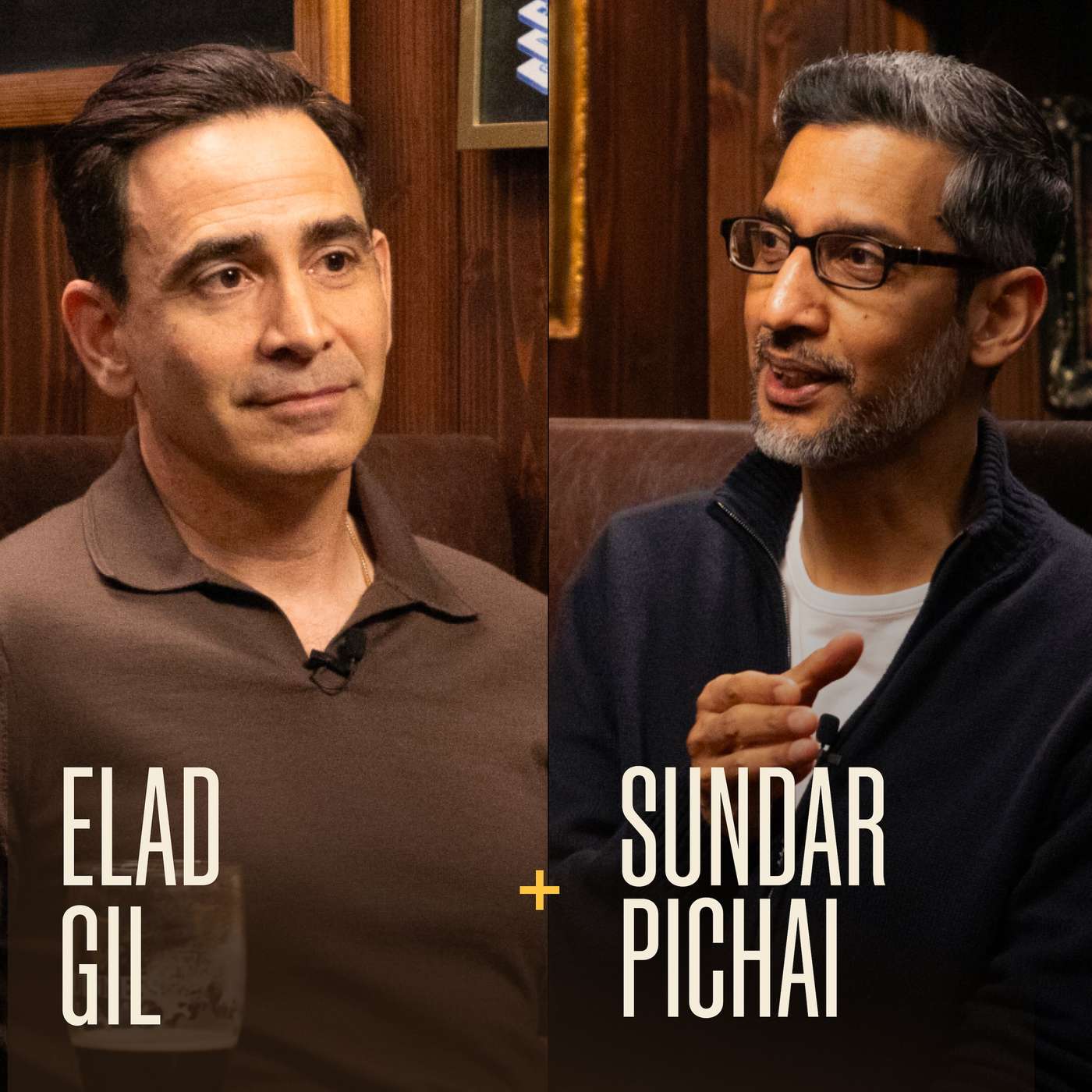
While many credit co-founder Sergey Brin's return for revitalizing Google's AI, the real catalyst was likely CEO Sundar Pichai's less glamorous corporate reorganization. Centralizing AI development by merging units like DeepMind was a classic management move that proved essential for focused execution.
To merge DeepMind and Google Brain effectively amid intense competition, Demis Hassabis implemented his "strike team" concept from video game development. This shifted the culture from bottom-up academic research to top-down, product-focused execution, enabling the rapid development of competitive models like Gemini.

OpenAI is now reacting to Google's advancements with Gemini 3, a complete reversal from three years ago. Google's strengths in infrastructure, proprietary chips, data, and financial stability are giving it a significant competitive edge, forcing OpenAI to delay initiatives and refocus on its core ChatGPT product.
Google's direction is pulled between two philosophies. CEO Demis Hassabis favors a long-term, "world models" path to AGI, while a faction reportedly led by Sergey Brin pushes to compete directly with OpenAI and Anthropic on immediate applications like AI coding agents. This internal tension manifests as a confusing product roadmap.

Following ChatGPT's 'Pearl Harbor moment,' Google's CEO was seen as a lagging peacetime leader. He responded by issuing a 'code red,' restructuring the company, and empowering AI leaders. This decisive action transformed his image and positioned Google to aggressively compete in the AI race.

In response to falling behind Anthropic, Google's new AI coding "strike team" is shifting focus. Instead of building general-purpose coding models for external customers, the team is prioritizing models trained on Google's vast, private codebase to improve internal development efficiency first.