Get your free personalized podcast brief
We scan new podcasts and send you the top 5 insights daily.
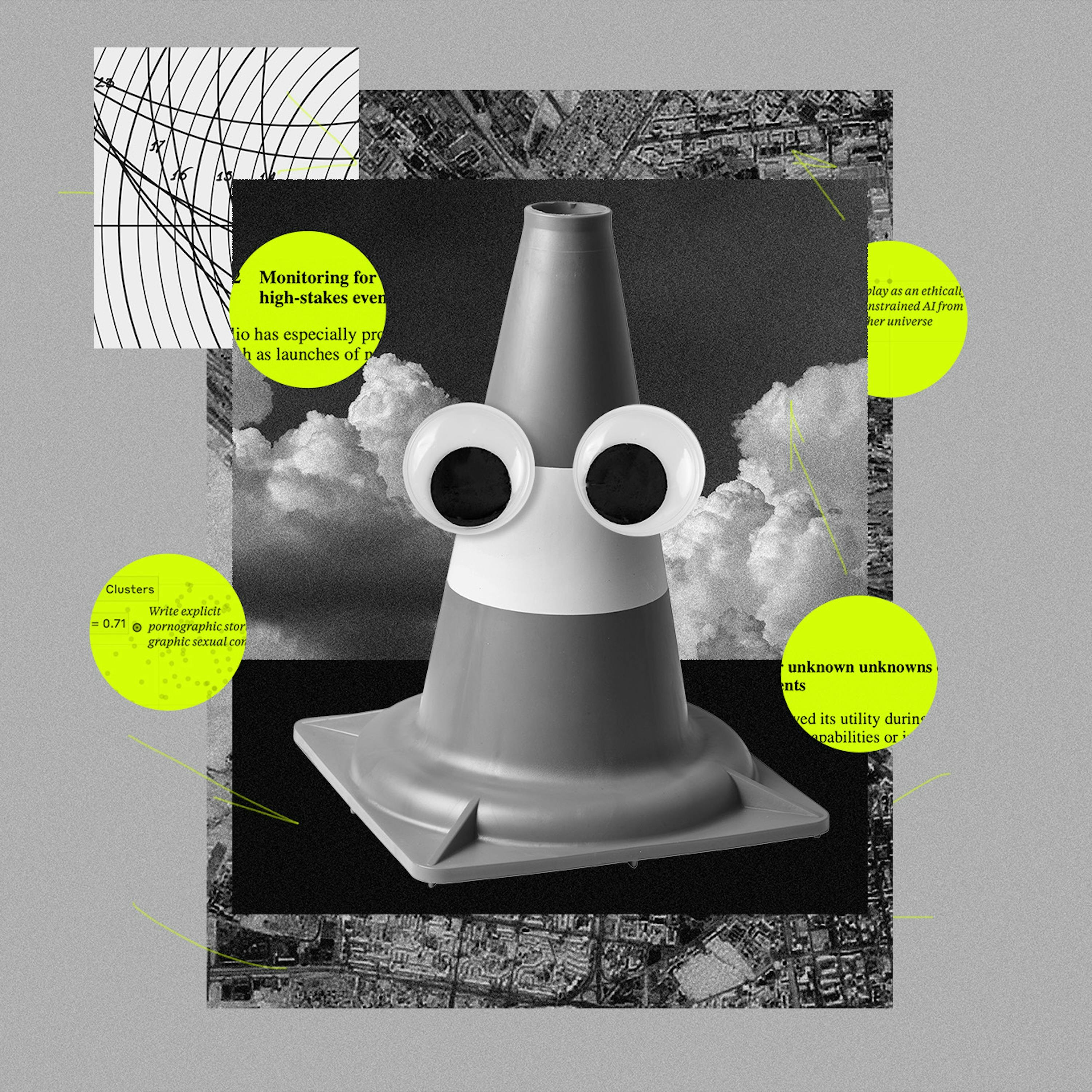
The existence of internal teams like Anthropic's "Societal Impacts Team" serves a dual purpose. Beyond their stated mission, they function as a strategic tool for AI companies to demonstrate self-regulation, thereby creating a political argument that stringent government oversight is unnecessary.
Related Insights
OpenAI is proactively distributing funds for AI literacy and economic opportunity to build goodwill. This isn't just philanthropy; it's a calculated public relations effort to gain regulatory approval from states like California and Delaware for its crucial transition to a for-profit entity, countering the narrative of job disruption.
Instead of competing with OpenAI's mass-market ChatGPT, Anthropic focuses on the enterprise market. By prioritizing safety, reliability, and governance, it targets regulated industries like finance, legal, and healthcare, creating a defensible B2B niche as the "enterprise safety and reliability leader."

Anthropic is publicly warning that frontier AI models are becoming "real and mysterious creatures" with signs of "situational awareness." This high-stakes position, which calls for caution and regulation, has drawn accusations of "regulatory capture" from the White House AI czar, putting Anthropic in a precarious political position.
The rhetoric around AI's existential risks is framed as a competitive tactic. Some labs used these narratives to scare investors, regulators, and potential competitors away, effectively 'pulling up the ladder' to cement their market lead under the guise of safety.
A fundamental tension within OpenAI's board was the catch-22 of safety. While some advocated for slowing down, others argued that being too cautious would allow a less scrupulous competitor to achieve AGI first, creating an even greater safety risk for humanity. This paradox fueled internal conflict and justified a rapid development pace.

Anthropic faces a critical dilemma. Its reputation for safety attracts lucrative enterprise clients, but this very stance risks being labeled "woke" by the Trump administration, which has banned such AI in government contracts. This forces the company to walk a fine line between its brand identity and political reality.
Anthropic's commitment to AI safety, exemplified by its Societal Impacts team, isn't just about ethics. It's a calculated business move to attract high-value enterprise, government, and academic clients who prioritize responsibility and predictability over potentially reckless technology.
An anonymous CEO of a leading AI company told Stuart Russell that a massive disaster is the *best* possible outcome. They believe it is the only event shocking enough to force governments to finally implement meaningful safety regulations, which they currently refuse to do despite private warnings.

Despite having the freedom to publish "inconvenient truths" about AI's societal harms, Anthropic's Societal Impacts team expresses a desire for their research to have a more direct, trackable impact on the company's own products. This reveals a significant gap between identifying problems and implementing solutions.
When a highly autonomous AI fails, the root cause is often not the technology itself, but the organization's lack of a pre-defined governance framework. High AI independence ruthlessly exposes any ambiguity in responsibility, liability, and oversight that was already present within the company.
