Get your free personalized podcast brief
We scan new podcasts and send you the top 5 insights daily.
When the public doesn't feel the economic pain of war through high gas prices, political leaders face less domestic pressure to de-escalate, buying them more leeway for military action.

Related Insights
Despite narratives about religion or ideology, the core of many international conflicts is economic control over critical resources like oil. A nation's reaction to attacks on its oil infrastructure versus its leaders reveals the true economic nature of the fight.

Fears of a US-Iran conflict disrupting oil flows are overstated. Any potential US military action would likely be designed to be 'surgical' to specifically avoid Iran's oil infrastructure, as the administration's priority is preventing economic shocks and energy price hikes ahead of elections.

In a seemingly contradictory wartime move, the administration is allowing countries like Iran and Russia to sell their oil. The primary goal is to manage the massive political and economic problem of spiking gas prices, even if it means temporarily empowering an enemy.
A sophisticated foreign adversary can strategically drag out a conflict to negatively impact the US economy before midterm elections. The resulting voter frustration, for instance from high gas prices, can cripple a sitting president's party, stall their agenda, and weaken their geopolitical standing.

Despite significant global oil production cuts from the war in Iran, prices remain lower than expected. This suggests traders are speculating on a quick resolution. If this proves wrong, the market could see a sudden price jump as reality sets in, shocking consumers and investors.

Despite active US bombing in Iran and attacks in the Strait of Hormuz, oil prices remain stable. This suggests markets are no longer reacting with panic. Instead, they have priced in a "new normal" of sustained, low-level conflict, assuming the U.S. can manage the situation without catastrophic supply disruption.
Contrary to decades of public statements prioritizing low gas prices, President Trump is prolonging the Iran conflict despite oil soaring over $100. The political cost of being perceived as weak and handing Iran a narrative victory outweighs the economic pain for him in this context.

While the wealthy are unaffected by rising gas prices, lower-income households are experiencing significant demand destruction. This widening gap in the "K-shaped" economy creates immense political pressure, making aggressive geopolitical strategies that elevate oil prices unsustainable, especially with midterm elections approaching.

Counterintuitively, Iran's regime feels it has the upper hand in the war because the conflict has driven up oil prices. Even as its military sites are targeted, the country is earning more from oil exports than before the war, feeding its perception of strategic success.
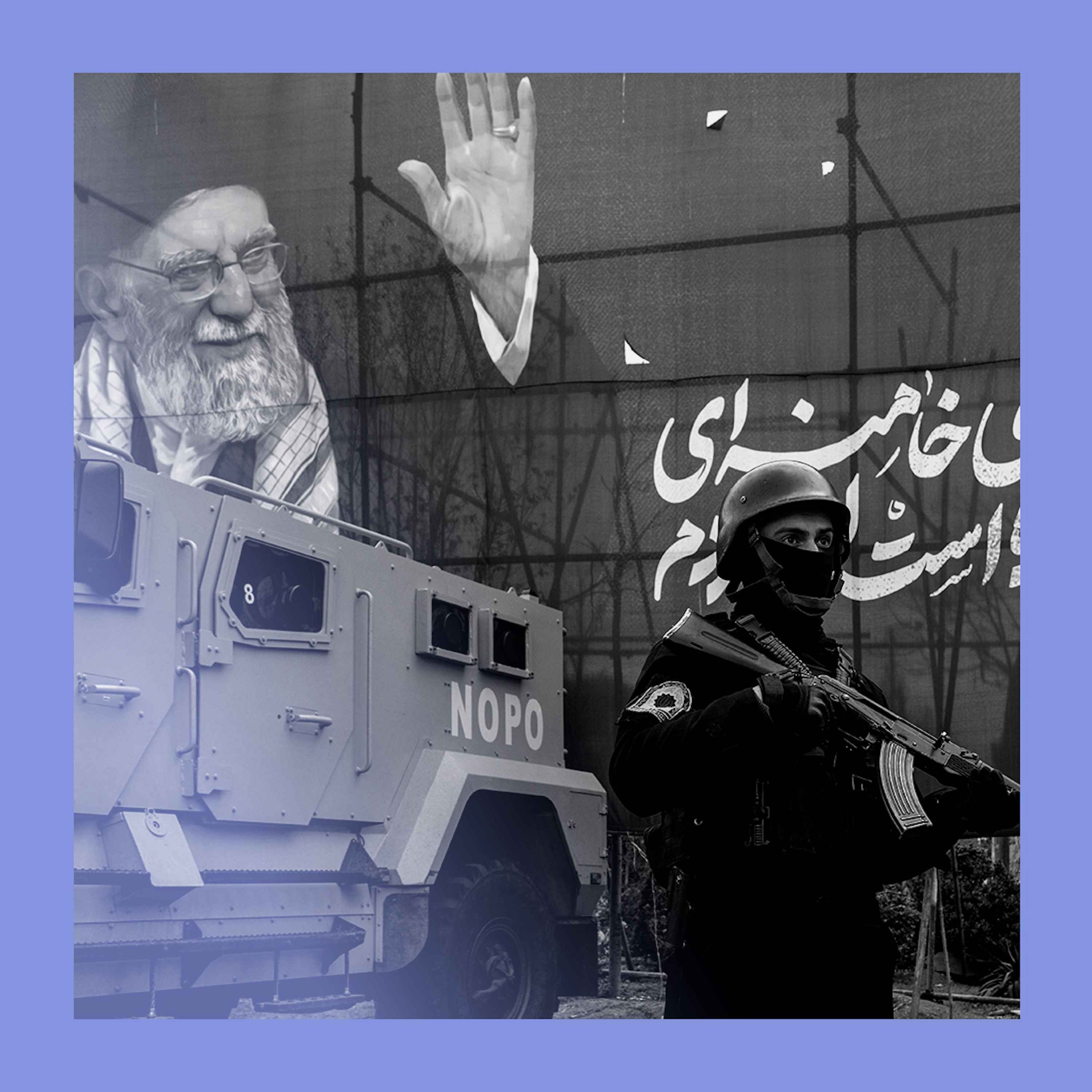
For the general public, the primary metric for judging foreign policy is its impact on their daily life, like the price of gas. Complex geopolitical justifications, such as containing a theocratic regime, are dismissed as irrelevant noise if personal costs rise.