Get your free personalized podcast brief
We scan new podcasts and send you the top 5 insights daily.
The idea for Late July came from observing that while the perimeter of health food stores had evolved, the center aisles (like crackers) were stagnant. This highlights the opportunity in modernizing unsexy but large product categories with an organic-first approach.

Related Insights
Whole Foods didn't know where to place KIND bars because they didn't fit the traditional "nutritional bar" category. This "problem" became a huge opportunity when stores placed KIND in high-visibility displays at checkout counters, driving massive impulse buys away from competitors.
Rohan Oza's market research is simple yet effective: he wanders grocery aisles, looking at each category and asking what he wouldn't personally buy due to poor ingredients or outdated branding. The numerous "no's" represent market opportunities for better, upgraded products.

Struggling legacy brands are rebranding as "healthy" by simply adding one trendy ingredient, like electrolytes to Kool-Aid or protein to Mac & Cheese. This "addition economy" strategy creates a perception of wellness without fundamentally changing the core product, tapping into consumer health trends with minimal R&D.

Shoppers often approach indulgent categories with "healthy goggles," initially seeking better-for-you items. By leading with low-fat or healthy options at the front of an aisle, retailers can increase engagement and foot traffic. Once in the aisle, a significant number of these shoppers then "trade up" to the full-fat versions they originally planned to avoid.

The biggest market opportunities often exist in solving problems consumers have learned to live with. Success requires educating the market that a solution is possible, rather than capturing existing search demand for a known product type.

Late July launched just as the USDA Organic seal was created, allowing them to be one of the first brands built entirely around this new standard. This regulatory tailwind provided immediate market differentiation and consumer trust that would otherwise take years to build.
Late July was stagnating in the small cracker category. The life-saving pivot was into the enormous, hyper-competitive tortilla chip category. This contradicts the common advice to 'own a niche,' showing that sometimes growth requires entering a bigger, tougher market.
The baby food brand strategically places its products (pouches, bars, frozen meals) in various aisles. This "all-aisle" approach creates multiple touchpoints during a single shopping trip, acting as an effective in-store advertisement that drives cross-category sales and grows with the customer.

The founders identified a mismatch between the modern, Gen Z pickle consumer on TikTok and the outdated, homogenous branding on store shelves. By targeting a neglected category with bold design and unique flavors, they faced less competition and stood out to both consumers and retail buyers.
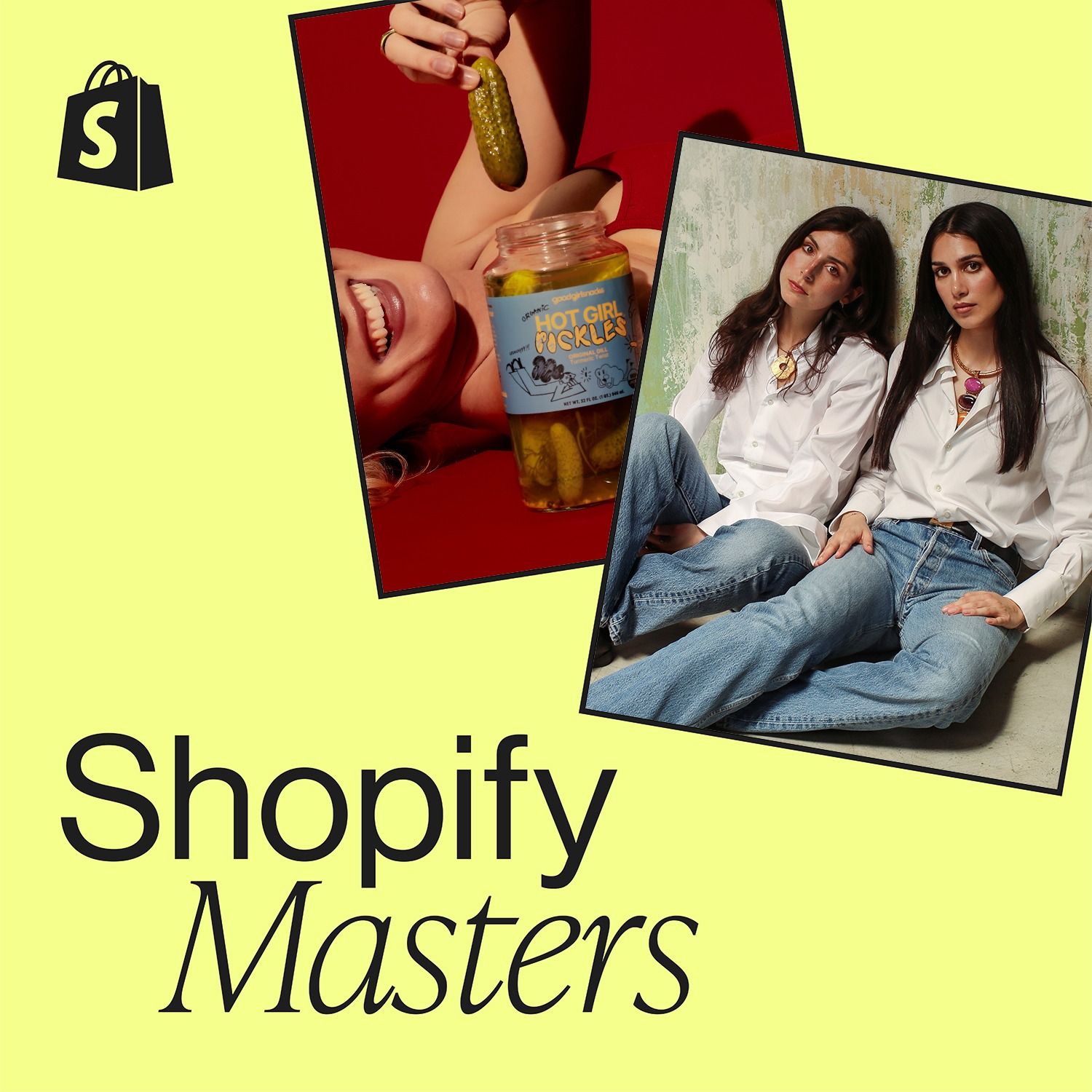
Bold Bean Co. found that creating a premium product in a "forgotten, dull" category like beans was a strategic advantage. The novelty makes consumers talk. People find it entertaining to become obsessed with beans, generating more word-of-mouth than launching yet another premium chocolate brand.