Get your free personalized podcast brief
We scan new podcasts and send you the top 5 insights daily.
The founder felt he made a terrible impression in his YC interview, but his absolute, unshakeable belief in his mission was palpable. For investors evaluating radical, high-risk ideas, this level of founder conviction can outweigh a polished but less passionate pitch.

Related Insights
Legora founder Max Junestrand was rejected by YC, then accepted. The difference was having a competing term sheet and pitching with aggressive confidence, demonstrating they would succeed with or without YC. This fire convinced the partners.

Investors are often more compelled by a founder's palpable confidence and unique understanding of a market than by the product itself. During a pitch, radiating a deep belief in a "secret" insight about your users demonstrates a level of conviction that can be more persuasive than any metric.

Founders often fail at fundraising by trying to guess what VCs want to hear about market size or metrics. The most effective approach is to articulate the argument that convinces *you* to work on this company every day. This authentic conviction is more compelling and prevents you from being talked out of your own idea during a pitch.

When meeting Cursor's founder, the investor felt an "electric energy" even as the founder was pivoting away from his original idea. This highlights that for elite early-stage investors, the founder's intrinsic drive and potential are the constant to bet on, as ideas will inevitably change.
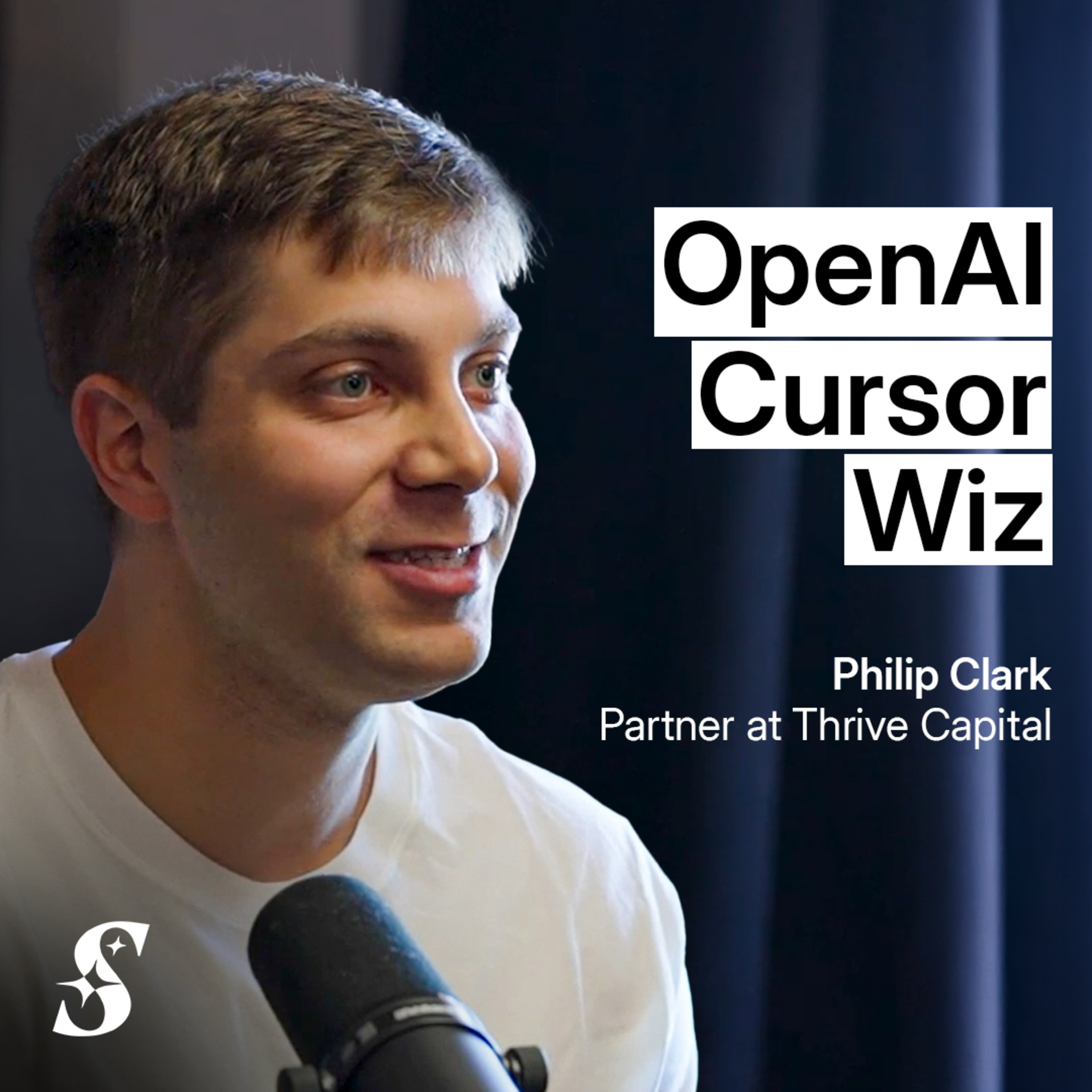
The best founders, especially in complex fields, don't give superficial answers to secure funding. Instead, they demonstrate deep passion and expertise by enthusiastically pulling investors into the intricate details and underlying principles of their domain.
![Scott Nolan - SpaceX, Founders Fund, and Rebuilding American Uranium Enrichment - [Invest Like the Best, EP.467] thumbnail](https://megaphone.imgix.net/podcasts/5edee546-3776-11f1-b41d-a76759576e87/image/908aaa6e87baf2b3d364892c4b7f9fd8.jpg?ixlib=rails-4.3.1&max-w=3000&max-h=3000&fit=crop&auto=format,compress)
Before convincing investors or employees, founders need irrational self-belief. The first and most important person you must sell on your vision is yourself. Your conviction is the foundation for everything that follows.

Beyond the network and money, a key YC benefit is the profound psychological impact of having respected partners who genuinely believe in your mission. For a lonely early-stage founder, this support transforms the journey from a solitary struggle into feeling like they're "playing for the home team," which raises the stakes and boosts motivation.
YC doesn't use a rigid framework for pivot decisions. Instead, partners gauge a founder's excitement and energy. If a founder seems unenthusiastic about their idea after a few weeks, it's a stronger signal to pivot than any metric, as passion is a prerequisite for perseverance.

To truly understand a founder, Katelin Holloway bypasses typical pitch questions. She engaged one founder in a conversation about wormholes and the time-space continuum. This abstract dialogue revealed how his brain worked and his core values, giving her conviction in him as a person, not just his idea.

Beyond the deck, elite VCs assess a founder's core traits. Bill Gurley prioritizes an innate instinct for product in emerging waves, a relentless ability to sell the vision to all stakeholders, and a deterministic drive to succeed against all odds.
