Get your free personalized podcast brief
We scan new podcasts and send you the top 5 insights daily.
YC doesn't use a rigid framework for pivot decisions. Instead, partners gauge a founder's excitement and energy. If a founder seems unenthusiastic about their idea after a few weeks, it's a stronger signal to pivot than any metric, as passion is a prerequisite for perseverance.

Related Insights
Extensive diligence on a seed-stage company's market or product is often wasted effort. The majority of successful seed investments pivot to a completely different business model, making the founding team's quality and resilience the most crucial factor to evaluate.

Beyond market signals, a key internal indicator for a pivot is waning passion. When the Beluga Labs founders found themselves struggling to get excited about their initial idea just two months in, they recognized it was unsustainable for a 5-10 year journey and pivoted to something they had long-term conviction for.

Based on a Paul Graham essay, this key distinction separates successful founders from those who fail. Persistent founders are flexible on tactics but relentless on their vision. Obstinate founders rigidly follow their first, least-informed ideas, unable to adapt as they gather new data.

The founders got into YC with a music app that had 50,000 users but poor retention, proving they could build and attract users. Their strong co-founder bond and willingness to pivot were key. YC invested in their proven ability to execute, not their specific (and flawed) initial idea.

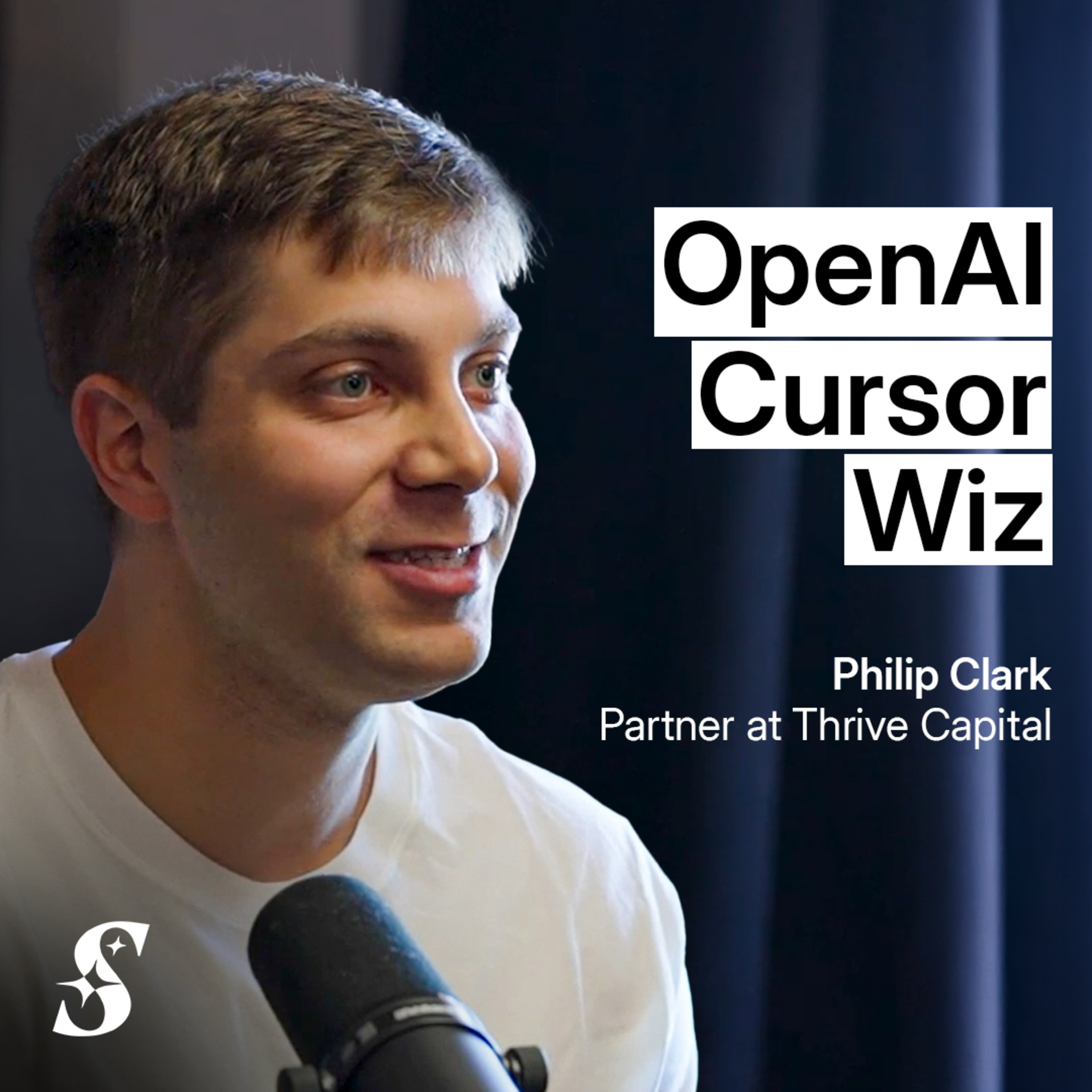
When meeting Cursor's founder, the investor felt an "electric energy" even as the founder was pivoting away from his original idea. This highlights that for elite early-stage investors, the founder's intrinsic drive and potential are the constant to bet on, as ideas will inevitably change.
VCs can handle pivots and financial struggles. Their primary nightmare is a founder who quits. A startup's ultimate survival hinges on the founder's psychological resilience and refusal to give up, not just market or product risk.

Beyond the network and money, a key YC benefit is the profound psychological impact of having respected partners who genuinely believe in your mission. For a lonely early-stage founder, this support transforms the journey from a solitary struggle into feeling like they're "playing for the home team," which raises the stakes and boosts motivation.
A truly exceptional founder is a talent magnet who will relentlessly iterate until they find a winning model. Rejecting a partnership based on a weak initial idea is a mistake; the founder's talent is the real asset. They will likely pivot to a much bigger opportunity.

The most successful founders rarely get the solution right on their first attempt. Their strength lies in persistence combined with adaptability. They treat their initial ideas as hypotheses, take in new data, and are willing to change their approach repeatedly to find what works.
The founder of Stormy AI pivoted from a context-aware AI to influencer marketing late in his YC batch. He realized his initial concept, while cool, didn't solve a burning customer problem. He then deferred and re-entered YC with a much stronger product, demonstrating the value of radical change even late in an accelerator program.