Get your free personalized podcast brief
We scan new podcasts and send you the top 5 insights daily.
Firms claim they want product leaders who challenge the executive team and have strong opinions. In reality, their interview process often screens for low-risk communicators who can absorb pressure without creating friction, undermining the stated goal.

Related Insights
Senior leaders now value candidates who ask excellent questions and are eager to solve problems over those who act like they know everything. This represents a significant shift from valuing 'knowers' to valuing 'learners' in the workplace.

The ideal early startup employee has an extreme bias for action and high agency. They identify problems and execute solutions without needing approvals, and they aren't afraid to fail. This contrasts sharply with candidates from structured environments like consulting, who are often more calculated and risk-averse.

Hiring for "cultural fit" can lead to homogenous teams and groupthink. Instead, leaders should seek a "cultural complement"—candidates who align with core values but bring different perspectives and experiences, creating a richer and more innovative team alchemy.

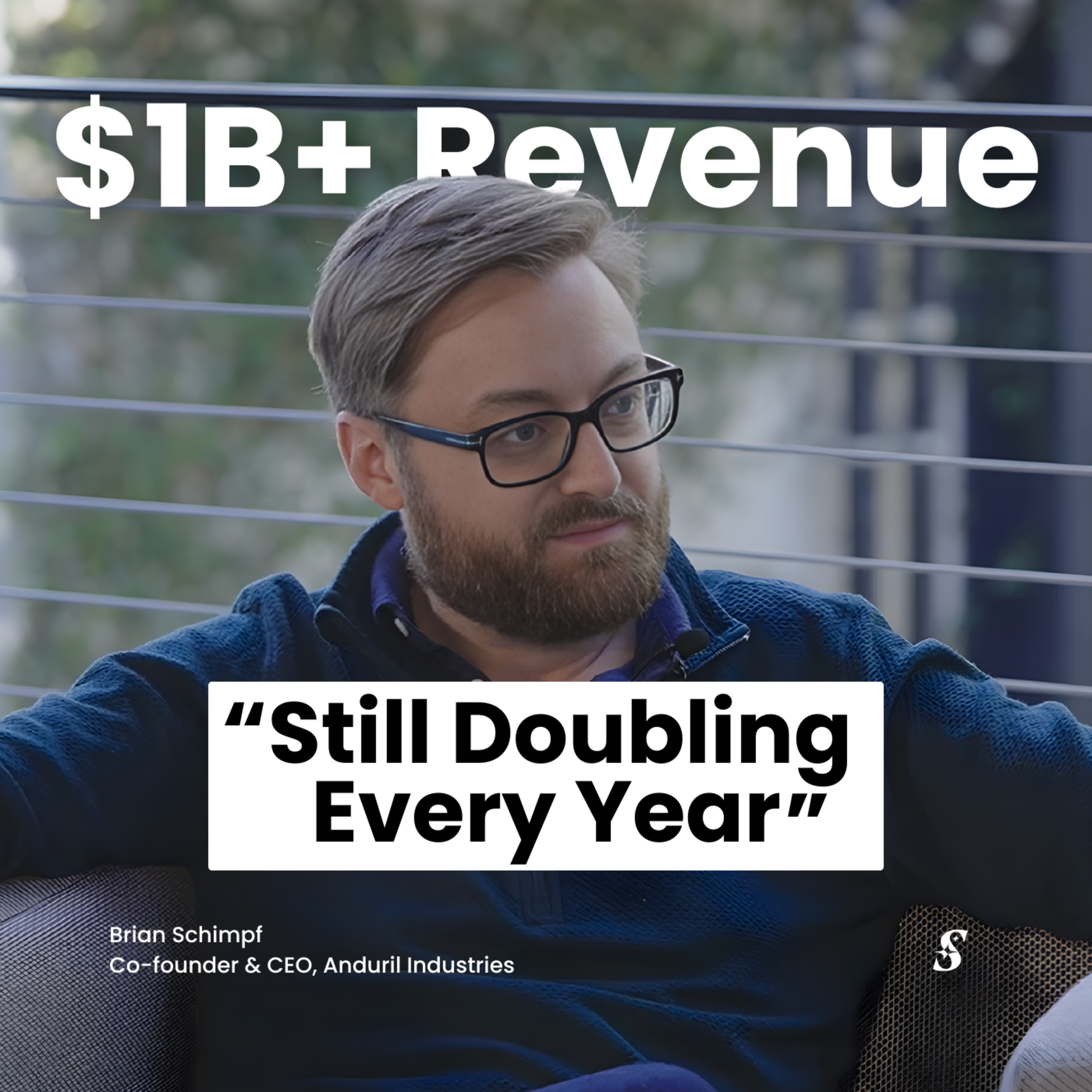
The company's leadership philosophy, borrowed from Palantir, is to hire highly opinionated and sometimes difficult talent. While this feels chaotic, these individuals are essential for innovation and adaptation, unlike talent that merely optimizes existing, stable systems.
For leadership roles, the interview itself is a critical test. If the candidate isn't teaching you something new about their function, it's a red flag. A true leader should bring expertise that elevates your understanding. If you have to teach them, they will consume your time rather than create leverage.

The common practice of hiring for "culture fit" creates homogenous teams that stifle creativity and produce the same results. To innovate, actively recruit people who challenge the status quo and think differently. A "culture mismatch" introduces the friction necessary for breakthrough ideas.

Companies often fail by promoting high-performing individual contributors into leadership without teaching them how to scale their judgment. The new leader's job is not to solve problems directly but to define what "good" looks like and enable their teams to get there.
To scale a high-performing product team, hire individuals who exhibit the same level of ownership and love for the product as the original founders. This means prioritizing a blend of deep curiosity, leadership potential, and an unwavering commitment to execution over a simple skills checklist.

An ideal job candidate is described as someone unafraid to challenge and correct the interviewer’s assumptions. The speaker was highly impressed by a candidate who pointed out he was wrong about a niche topic, which led to a valuable 25-minute discussion and a strong desire to make an immediate hire.

To build a truly product-focused company, make the final interview for every role a product management-style assessment. Ask all candidates to suggest product improvements. This filters for a shared value and weeds out those who aren't user-obsessed, regardless of their function.
