Get your free personalized podcast brief
We scan new podcasts and send you the top 5 insights daily.
To truly scale, a founder must transition from doing client work to building the systems that deliver it. The host, a long-time agency owner, states his most valuable contribution is innovating the agency's processes. This shift is essential to move beyond being a founder-dependent business.

Related Insights
After achieving repeatability, the founder/CEO has a 'second job.' They must stop building and selling the product themselves and start building the company that does it for them. This means shifting from being the PM of the product to becoming the PM of the company.

Entrepreneurs often prefer being the indispensable "most valuable player" because it feels good and gives them control. However, this ego-driven desire makes the business less valuable and prevents it from scaling. To truly grow, a founder must transition from the court to the owner's box.

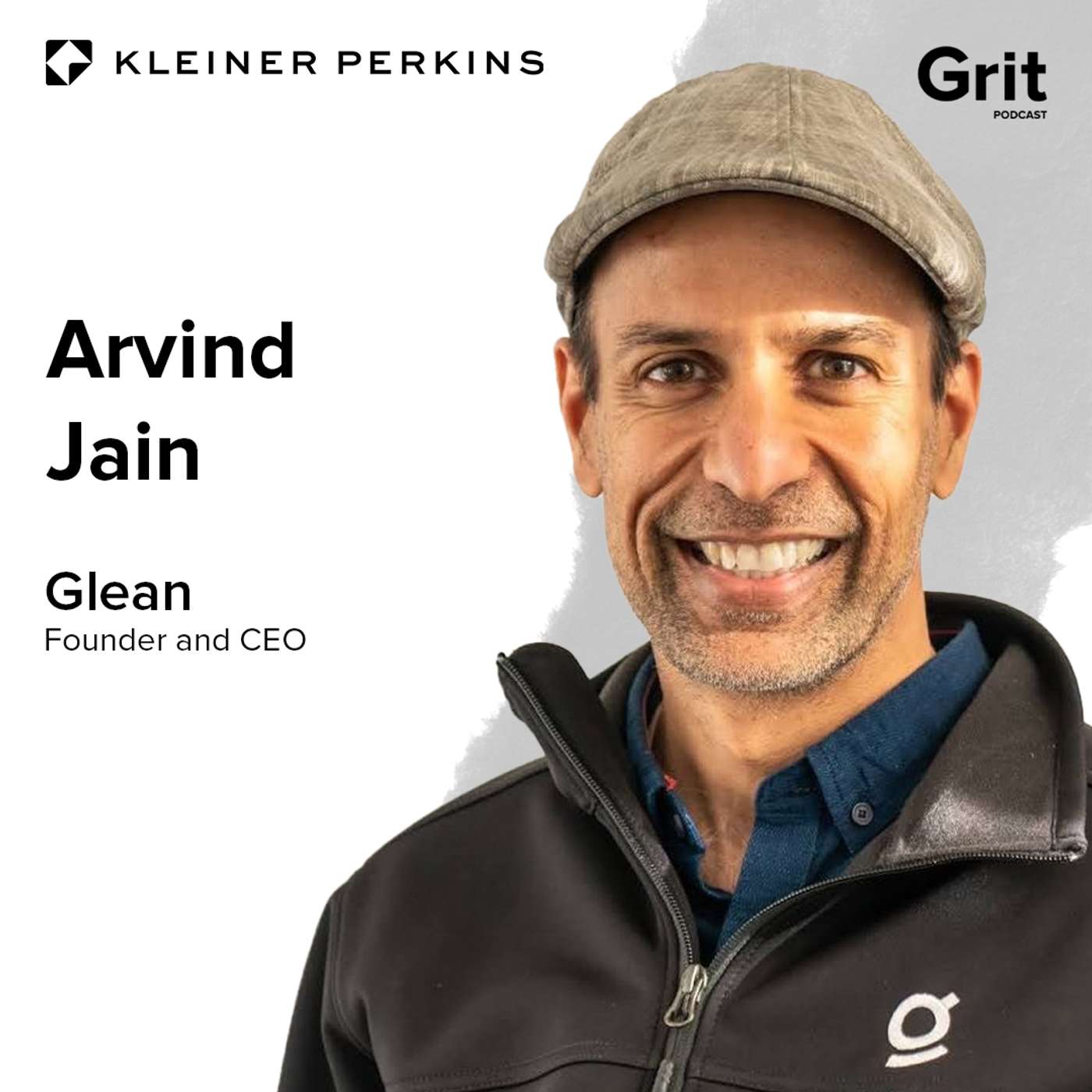
Arvind Jain clarifies that while he doesn't personally enjoy creating processes, he gets more annoyed by the lack of it. He sees process as a critical tool to avoid repeating work and answering the same questions, enabling the company to scale efficiently.
As a company grows, its old operational systems and processes ('plumbing') become obsolete. True scaling is not about addition; it's about reinvention. This involves systematically removing outdated processes designed for a smaller scale and replacing them entirely.

Conventional scaling crushes founders by making them hold everything. Instead, invert the model: create a supportive architecture where your frameworks hold your work, which in turn holds you. This 'nesting bowl' approach enables scaling without feeling responsible for holding everything yourself.

Founders are "unicorns" with unique skill sets impossible to hire for in a single person. To scale and remove yourself as a bottleneck, break your responsibilities into their component parts (e.g., sales, marketing, product) and hire specialists for each, assembling a team that approximates your output, even at a lower margin.

The very traits that help a founder succeed initially—doing everything themselves, obsessing over details—become bottlenecks to growth. To scale, founders must abandon the tools that got them started and adopt new ones like delegation and trust.

A critical inflection point for an entrepreneurial founder is deciding whether to be a 'projects guy' focused on individual deals or a 'business builder' focused on process, structure, and vision. These two paths are often in direct conflict, and choosing one is essential for scaling.
As a creative business scales, its operational needs and existing structure can start dictating strategy, stifling the original vision. Founders must actively resist this inertia to avoid simply servicing the machine they've built.

The primary bottleneck in any service business is finding and training high-quality talent. To scale effectively, founders must transition from being the best technician to being the best teacher, creating robust systems to transfer their expertise and develop new talent internally.