Get your free personalized podcast brief
We scan new podcasts and send you the top 5 insights daily.
Retro's emotional onboarding video caused a 20-30% signup drop-off. While seemingly a failure, this friction can act as a valuable filter, weeding out low-intent users and attracting those who resonate deeply with the product's core mission from the very beginning.

Related Insights
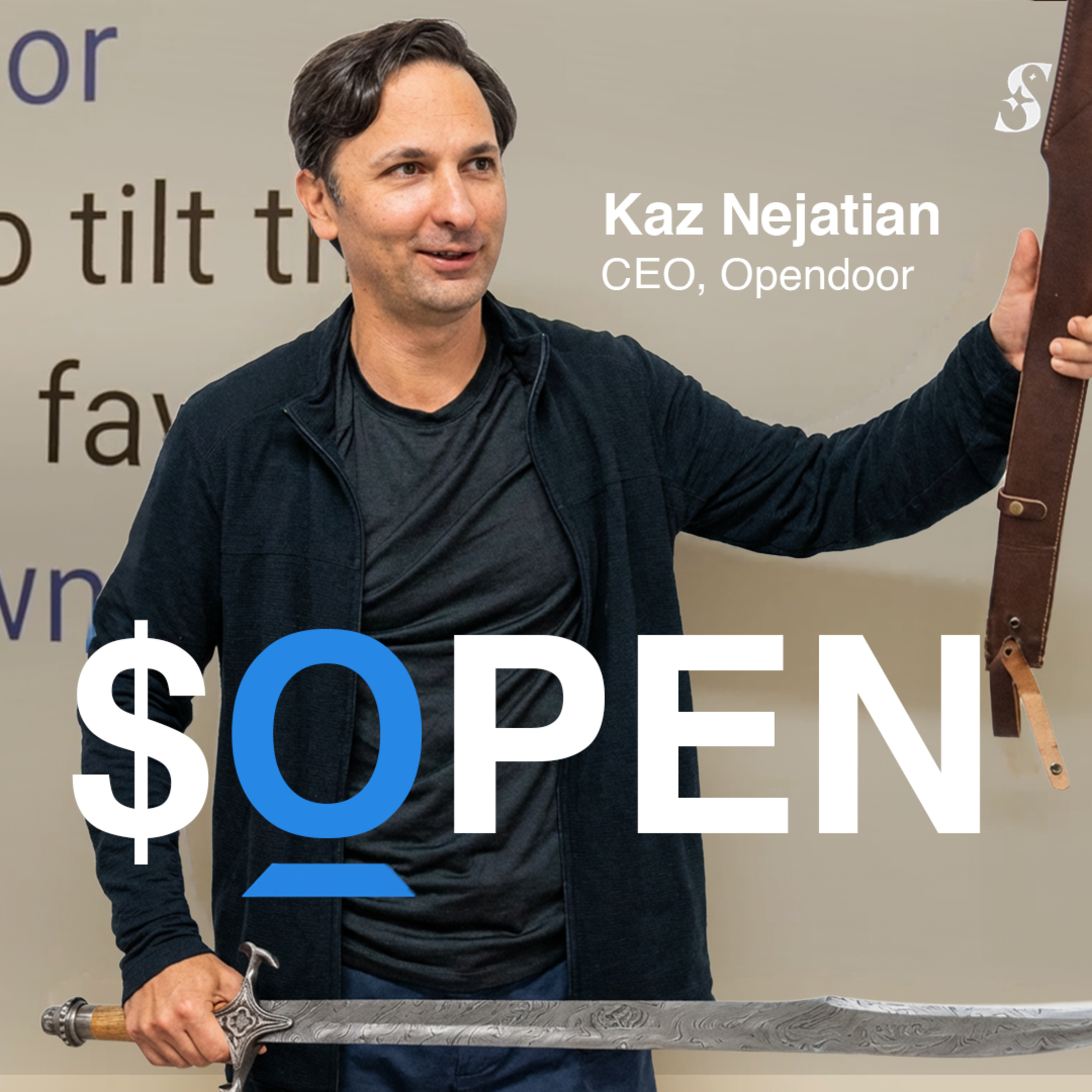
Opendoor intentionally designs its careers page to scare away the vast majority of applicants. This counterintuitive strategy creates a high-signal recruiting funnel by setting aggressive expectations upfront, ensuring only candidates truly aligned with the intense mission and culture will apply.
Mailtrap made a multi-step survey a required part of signup. Counterintuitively, this added friction had no negative impact on conversion rates. The collected data on user intent, role, and marketing attribution proved invaluable for segmenting users and focusing on high-value cohorts, informing both product and marketing strategy.

While the goal is often a frictionless experience, some friction can be a positive filter. Descript found that users willing to download a desktop app were more invested and more likely to stick around. Don't be afraid of early steps that test a user's commitment.

For years, Superhuman required every new user, including investors, to complete a personal onboarding session and provide a credit card upfront. This counterintuitive, high-touch process established value and created the product's most passionate advocates, with the highest NPS and lowest churn.

Contrary to the 'minimize steps to value' mantra, adding friction like user questionnaires to onboarding often boosts conversion. By asking users about their goals, you can personalize their experience, make them feel the product is for them, and guide them to the right features, improving funnel completion.

Betterment treated the location of a sign-up click (top, middle, or bottom of the page) as a proxy for user intent. This allowed them to tailor the onboarding flow—from direct funding for high-intent users to research-focused experiences for skeptical ones—leading to a double-digit increase in fund rate.

Free offers attract high volume but often low quality. Counter this by adding strategic friction—like multi-step forms or forced video consumption—to weed out uncommitted prospects. The goal is finding the sweet spot that maximizes qualified leads without losing high-value but lazy prospects.

Despite attracting the wrong users, Fathom leveraged the high volume of signups to rapidly iterate on their onboarding process. This allowed them to achieve statistically significant results daily, ultimately improving their onboarding success rate from 30% to over 70%, turning a crisis into an asset.

Contrary to a 'frictionless' growth mindset, legal tech unicorn Clio deliberately added hurdles like a 30-minute webinar to its beta program. This strategy filtered out casual users, ensuring they worked with a small, highly engaged customer cohort to truly validate the product's value before focusing on growth.

Beehiiv's early, manual user approval process was a product flaw. The founder turned this negative into a positive by using the check as a trigger to personally follow and DM every new user, transforming a point of friction into a powerful community-building touchpoint.
