Get your free personalized podcast brief
We scan new podcasts and send you the top 5 insights daily.
To earn respect as a family successor, A.G. Sulzberger intentionally adopted a low-status approach. He accepted thankless assignments, respected the hierarchy, and constantly solicited candid feedback, proving his commitment was to the work, not his title. This built trust organically.

Related Insights
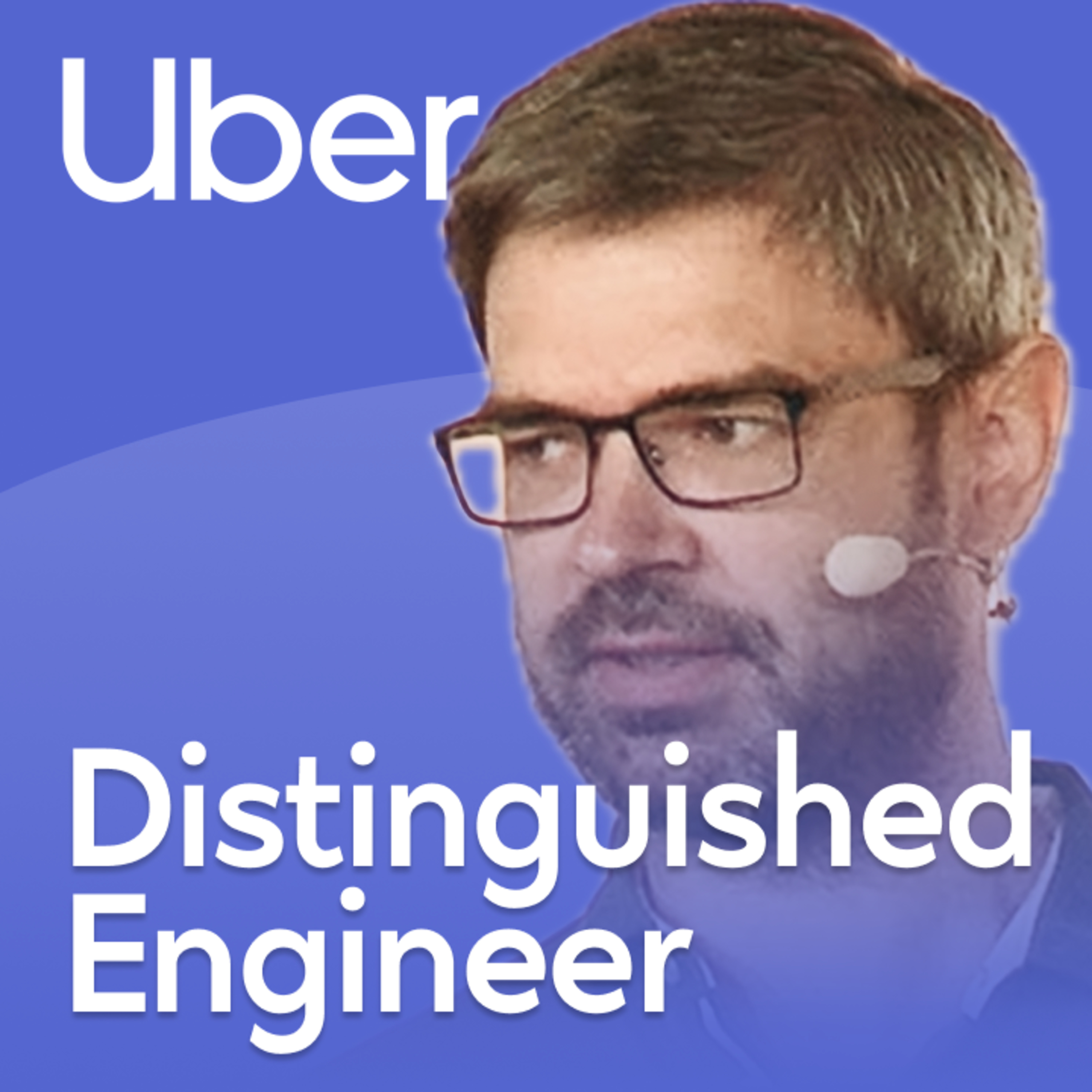
Contrary to conventional wisdom, a distinguished engineer advises senior engineers to delegate the most challenging, interesting work. They should instead take on necessary but unglamorous tasks, which builds immense credit and allows junior engineers to grow faster on high-impact problems.
Tasked with digital innovation, A.G. Sulzberger applied his reporting skills internally. He interviewed employees, sought dissent, and identified patterns. This revealed the core problem wasn't a lack of ideas, but a culture that actively suppressed digital talent and innovation.
Studies show executives who admit to past struggles, like being rejected from multiple jobs, are trusted more by employees. This vulnerability doesn't diminish their perceived competence and can significantly increase team motivation and willingness to work for them.

When Jeff Braverman proposed a new, labor-intensive packaging service, his father and uncle refused due to the effort required. To overcome their resistance, he not only showed them the math proving its profitability but also took on the manual labor himself. This demonstrated his commitment and proved the concept's viability through his own actions.

Intentionally accepting a lower level than you qualify for reduces immediate pressure to deliver massive project impact. This creates the space and freedom to explore, learn the systems, and build innovative side projects that establish a strong reputation from the ground up.

To build alliances with C-suite peers like the CFO, a new executive should act as a 'servant leader.' Instead of asserting authority, frame your function's role as being in service of their agenda. Asking "how can we make your life easier?" builds trust and collaboration from day one.

Joining as a new tech lead for an existing team, the speaker built trust by forbidding himself from giving direct orders or rejecting designs. He instead embedded with teams and used strategic questioning to guide them, helping them arrive at the right conclusions while respecting their expertise.

When transitioning into a new role, especially a cross-functional one like product, relying on a title is a weak foundation for credibility. Earning respect through informal authority—by demonstrating value and influence—builds a much stronger and more lasting leadership position.

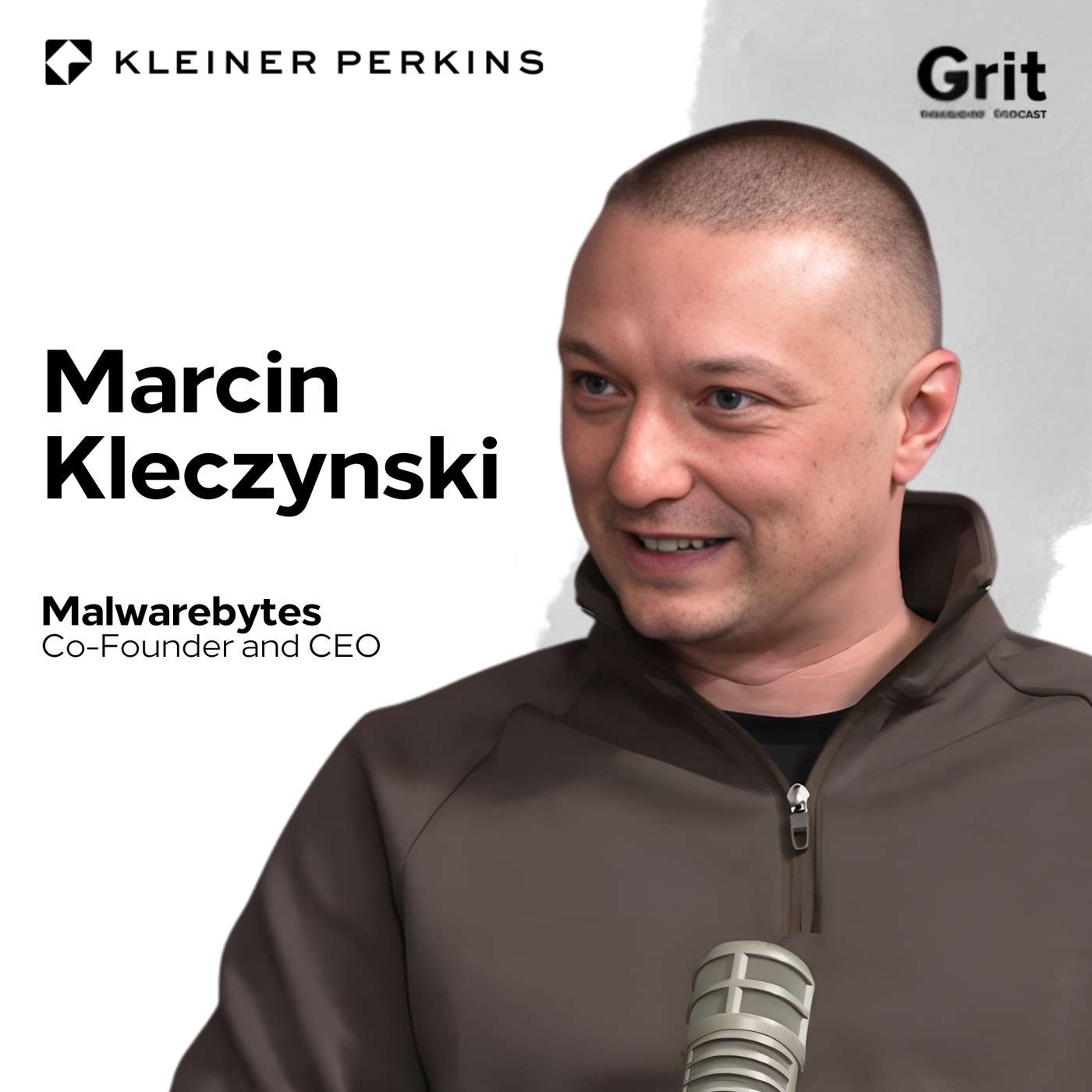
To get genuine interactions, the CEO of Malwarebytes often tells people he's 'just an engineer.' This approach stems from a servant leadership philosophy and allows him to receive unfiltered feedback about the company and its products, avoiding the pretense that comes with the CEO title.
Dick Stack's resistance to change, stemming from a past failure, forced his son Ed to meticulously research and justify every new initiative. This constant opposition, while frustrating, acted as a rigorous training ground, forcing Ed to develop bulletproof strategies and a deep understanding of the business, making him a more effective leader.
![Ed Stack: Lessons from Dick’s Sporting Goods [Outliers] thumbnail](https://megaphone.imgix.net/podcasts/2e1ece1e-9418-11f0-a293-fbf26a5641f7/image/c326da117a8c3f34b0eb64d2cab694ad.png?ixlib=rails-4.3.1&max-w=3000&max-h=3000&fit=crop&auto=format,compress)