Get your free personalized podcast brief
We scan new podcasts and send you the top 5 insights daily.
Industrialist Chris Power states that vertical integration should not be a financial decision, but a trust-based one. A company should build components in-house, even at a higher cost, if it cannot trust external suppliers to meet critical schedules and quality standards.

Related Insights
Relying on a traditional supply chain means inheriting its slow pace, costs, and outdated technology. By bringing core manufacturing in-house, Tesla controls its innovation speed, allowing it to move much faster and develop more integrated products than its competitors.

When sourcing manufacturers, Paul Vizzio prioritizes those who offer design feedback and work collaboratively. He finds this relationship is more valuable than securing the absolute lowest price, as it leads to a better, more manufacturable final product.

For D2C fashion brands, the inability of third-party suppliers to quickly fulfill reorders on trending products is a key trigger for vertical integration. Larroudé's co-founder realized the cost of one large factory order was equivalent to buying the machinery himself, enabling them to meet demand in weeks, not months.

When deciding whether to buy or build a component, Reflect Orbital uses a non-traditional factor: vendor friction. If a supplier is unresponsive or difficult, the pain of dealing with them becomes a strong motivator to bring that capability in-house.

Wild Rye's founder attributes success with overseas manufacturing to treating it as a long-term partnership, not a transaction. This was validated when her factory partners flew from China to her tiny Idaho office to express their belief in the brand and commitment to helping it grow, solidifying them as a genuine extension of the team.

Figure designs nearly every component of its robots in-house, from motors to batteries. This extreme vertical integration, though costly upfront, prevents being at the mercy of third-party vendor timelines, code problems, or supply chain issues, enabling faster iteration and deeper system control.

For early-stage hard tech startups, the decision to vertically integrate isn't about margin improvement. It's a question of survival. You should only take on the immense risk and capital intensity of vertical integration if the company literally cannot exist without controlling that part of the supply chain or tech stack.

Instead of using a co-packer, MadeGood built its own factory. This costly move was essential for guaranteeing their 'allergen-free' promise, allowing them to control the entire supply chain and manufacturing process, which provided peace of mind and brand integrity.

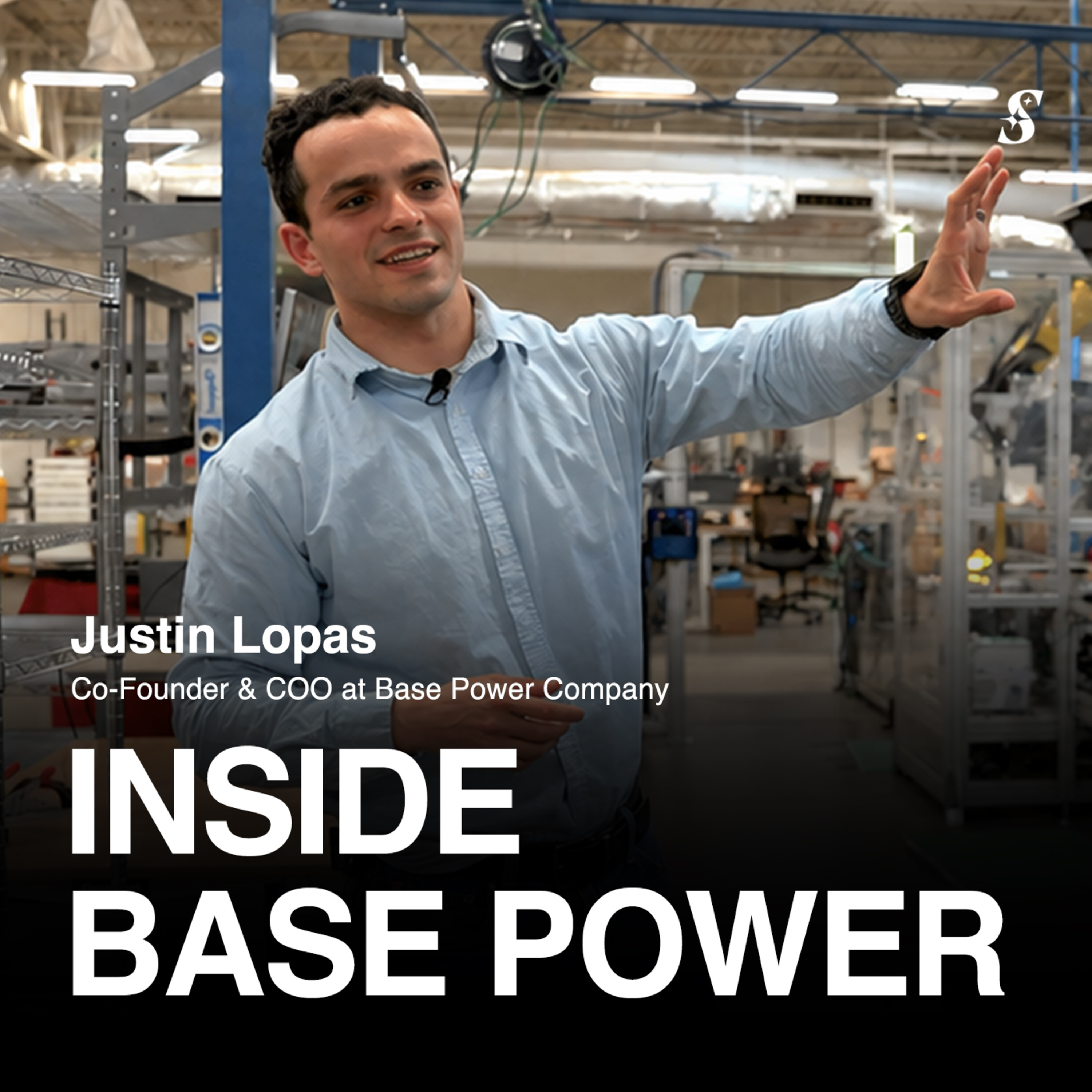
Instead of outsourcing, Base Power manufactures its batteries in-house in the US. This strategy gives them direct control over the production line, allowing for rapid hardware changes, reduced lead times, and lower costs compared to relying on contract manufacturers.
Beyond capturing more profit margin, vertically integrating your supply chain is a powerful defensive move. It mitigates the risk of key suppliers failing and disrupting your operations. By owning critical production and distribution components, you gain proactive control over quality, supply, and your company's stability.
