Get your free personalized podcast brief
We scan new podcasts and send you the top 5 insights daily.
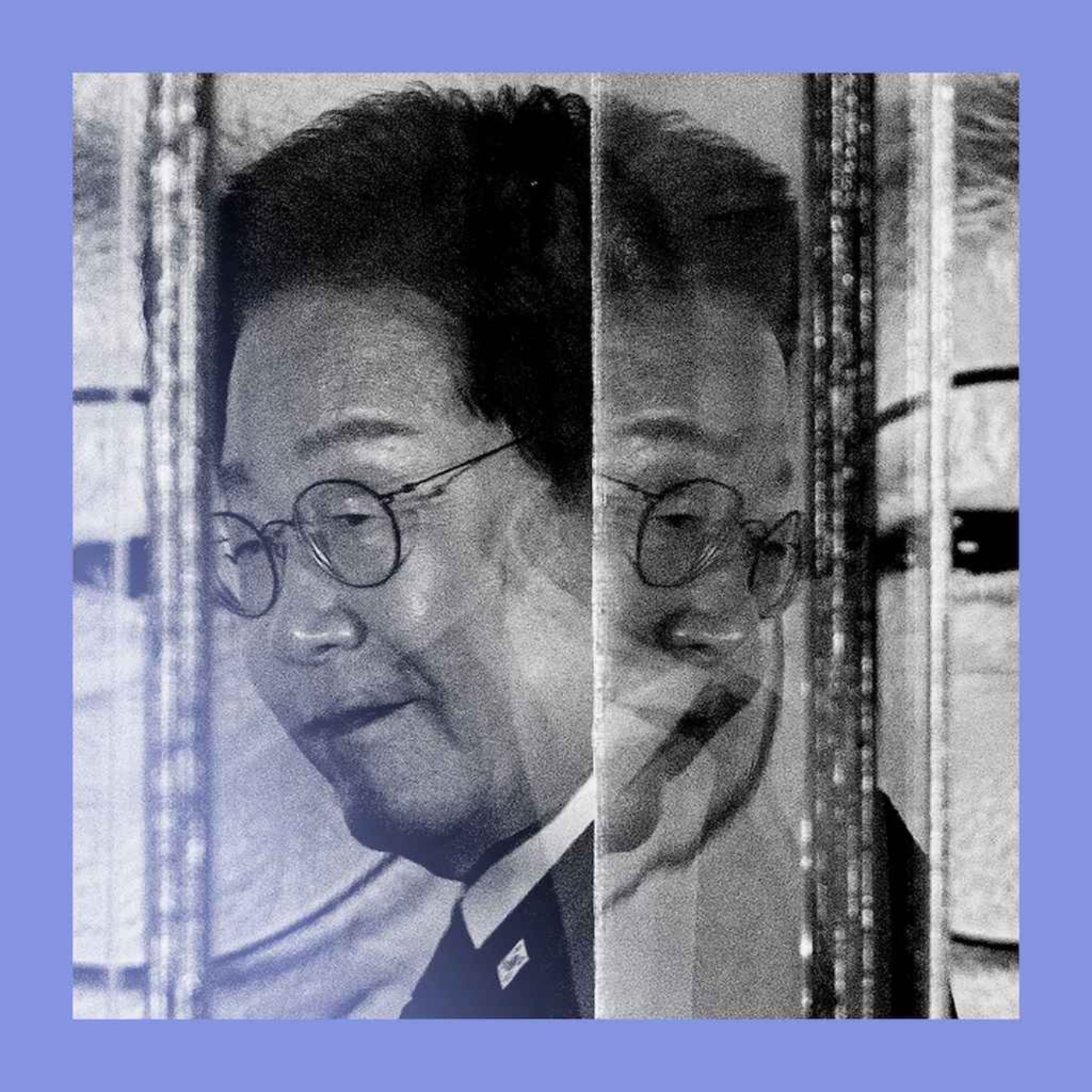
A disturbing pattern in South Korean politics sees over half its presidents jailed or impeached after leaving office. Current President Lee Jae Myung, despite his desire to break this 'curse of the Blue House,' has his own legal cases merely paused, not dismissed, indicating this cycle of political retribution remains a significant threat.
Related Insights
The argument for term limits isn't just about constitutional law; it's a fundamental recognition of human psychology. Power corrupts, and leaders who stay too long become convinced only they are right. The system is designed to forcibly introduce new perspectives and prevent the slide into tyranny, regardless of a president's popularity.

Ex-president Yoon's attempt to impose martial law didn't just deepen divides between political parties. It caused a fundamental split within his own conservative party, creating warring "Yoon again" and "Yoon never again" factions that have crippled its effectiveness and created a deep identity crisis.
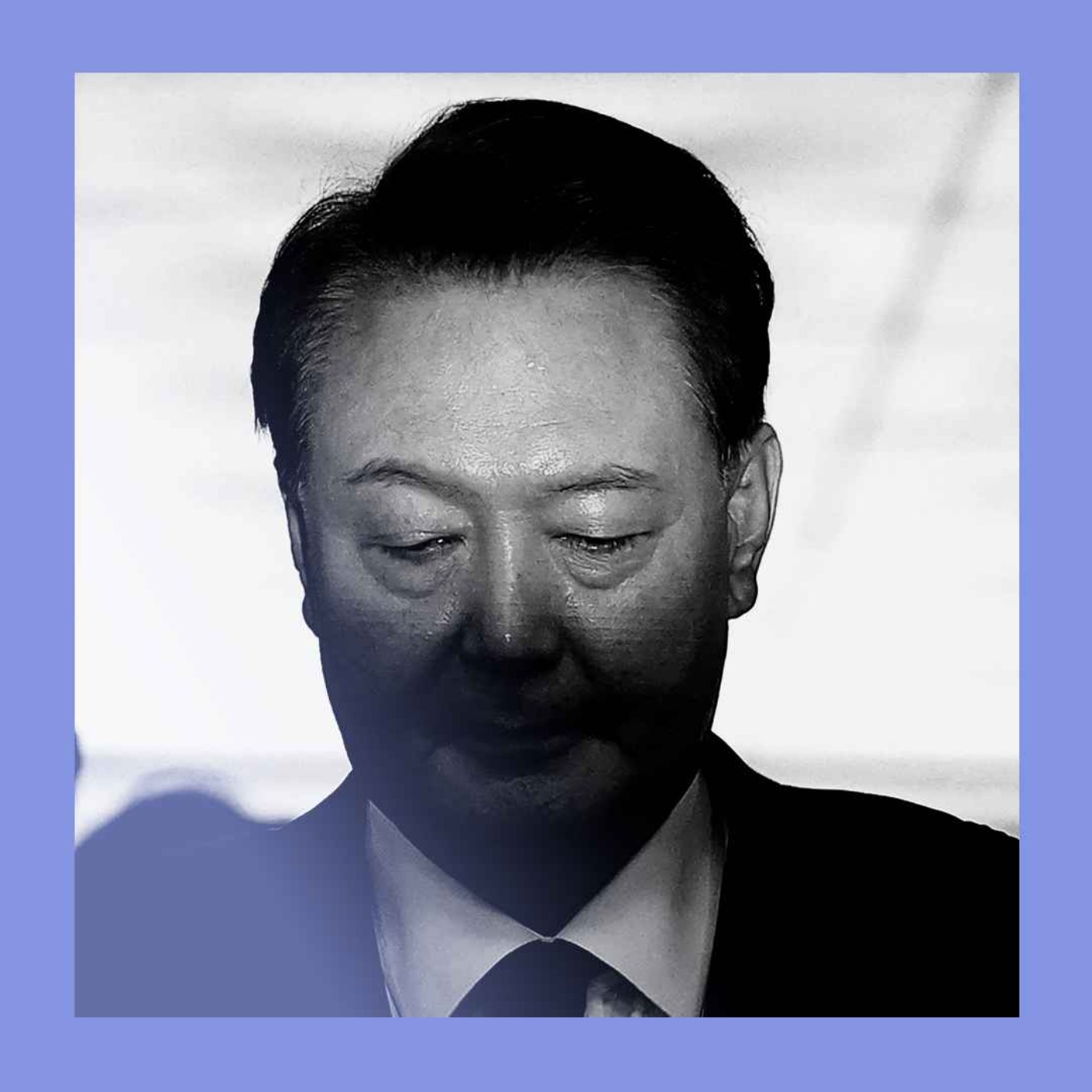
When the South Korean president attempted a coup by declaring martial law, a powerful trade federation made a credible threat to bring the country to an "orderly standstill." This deterrent was so effective that the military hesitated, forcing the president to reverse the coup. The movement then successfully pushed for impeachment.

Treating political opposition as a criminal enterprise creates an existential battle akin to nuclear MAD (Mutually Assured Destruction). It forces each side to escalate when in power, fearing they'll be jailed if they lose, which guarantees the destruction of the political system itself.

The goal of modern populist movements has shifted from winning elections to establishing permanent dominance. This is achieved by creating a mandate to prosecute and imprison political opponents, dismantling the norm of peaceful power transitions in favor of winner-take-all retribution.

President Lee Jae Myung's high approval ratings are heavily reliant on the booming South Korean stock market, which has nearly tripled in the past year. This surge is fueled by global demand for AI memory chips produced by Korean companies. His political fortune is now tied to the volatile global AI investment cycle.
Using the legal system for political retribution on flimsy grounds is a strategic error. It makes you look unstable, erodes public trust, and invites the same treatment from opponents when they inevitably gain power. Restraint is the more powerful long-term strategy.

The alleged plan for Donald Trump to become the lifetime head of a new global 'board of peace' highlights a dangerous precedent. It shows how a sitting president can leverage the power of their office to create a permanent, influential political role for themselves as a private citizen.

Restoring global trust may require holding a prior administration legally accountable for breaking laws. However, this creates a dangerous paradox: the threat of future prosecution gives incumbents a powerful incentive to subvert democratic processes to remain in power, worsening domestic political instability.

When a leader faces severe legal and personal consequences upon leaving office, the rational choice becomes prolonging a crisis. War provides a pretext for emergency powers and suspending elections, a dynamic observed in Ukraine.