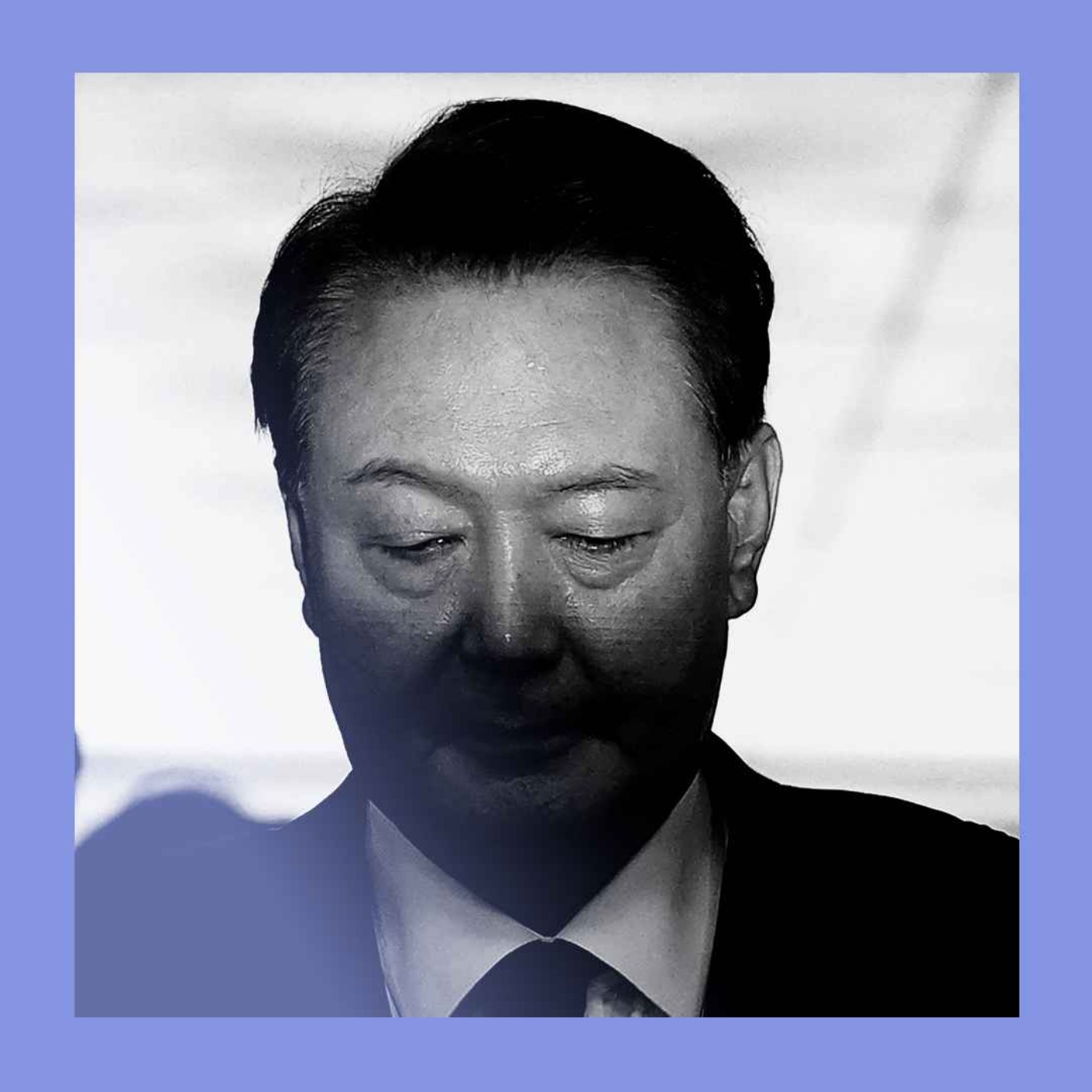
Ex-president Yoon's attempt to impose martial law didn't just deepen divides between political parties. It caused a fundamental split within his own conservative party, creating warring "Yoon again" and "Yoon never again" factions that have crippled its effectiveness and created a deep identity crisis.
The high sales of memoirs by women like Giselle Pellicot, who have experienced extreme betrayal or exploitation, are not isolated events. They indicate a significant cultural shift and a strong market appetite for stories where marginalized women reclaim their own narratives and public agency.
South Korea's mainstream conservative party is increasingly influenced by a loud, far-right fringe. This group, composed of online commentators and YouTubers using MAGA-style tactics, has demonstrated the power to mobilize the party's base and dictate its leadership choices, effectively marginalizing moderate voices.
While AI may not cause mass unemployment, its greatest danger lies in automating the routine entry-level tasks that new workers rely on to build skills. This could disrupt traditional career ladders and create a long-term talent development crisis for organizations.
Contrary to the narrative of AI-driven job destruction, roles considered highly vulnerable like software developers, paralegals, and radiologists have experienced substantial employment growth (7-20%) over the past three years. This data suggests AI is augmenting these professions rather than replacing them.
The fear of mass job replacement by AI is based on a flawed premise. Jobs are not single entities but collections of diverse tasks. AI can automate some tasks but can fully automate very few entire occupations (under 4% in one study), leading to a reshaping of work, not widespread elimination.