Get your free personalized podcast brief
We scan new podcasts and send you the top 5 insights daily.
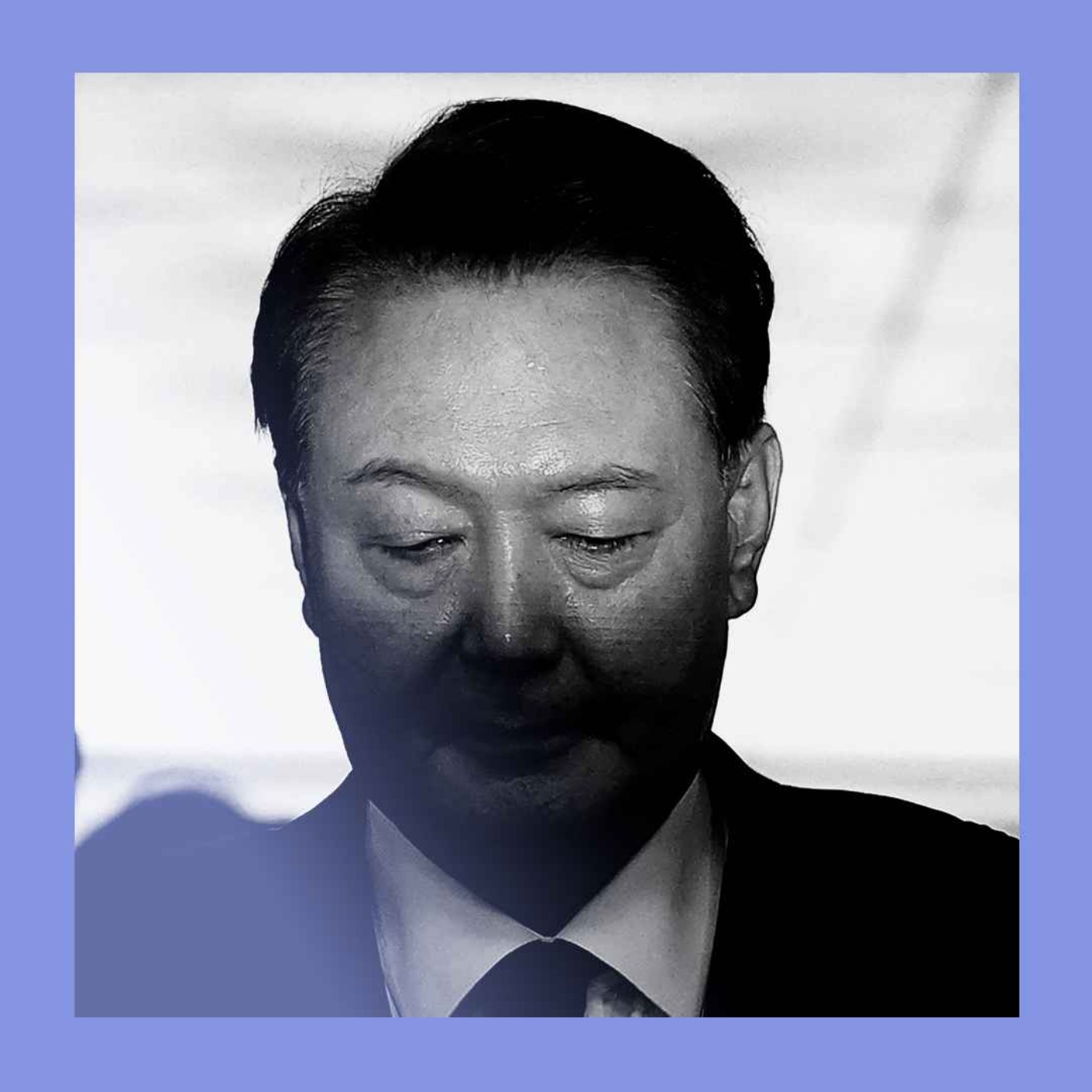
When the South Korean president attempted a coup by declaring martial law, a powerful trade federation made a credible threat to bring the country to an "orderly standstill." This deterrent was so effective that the military hesitated, forcing the president to reverse the coup. The movement then successfully pushed for impeachment.

Related Insights
A political party might intentionally trigger a government shutdown not to win policy concessions, but to create a public narrative of a dysfunctional opposition. The true victory isn't legislative but reputational, aiming to sway voters in upcoming elections by making the ruling party look incompetent.

While public demonstrations build community and raise awareness, they are less feared by power structures than economic withdrawal. In a system driven by consumption and market growth, the most disruptive act an individual can take is not adding their voice to a crowd, but subtracting their money from the economy.

Ex-president Yoon's attempt to impose martial law didn't just deepen divides between political parties. It caused a fundamental split within his own conservative party, creating warring "Yoon again" and "Yoon never again" factions that have crippled its effectiveness and created a deep identity crisis.
An effective strategy during a government shutdown is to avoid a broad debate and instead focus public attention on one clear, emotionally resonant issue, like the loss of healthcare subsidies. By targeting voters in the opposition's territory, this tactic aims to divide the other party's base and claim the moral high ground.

Modern administrations, immune to moral outrage but sensitive to market fluctuations, can be influenced by targeted economic strikes. Mass unsubscriptions from major tech platforms can directly impact the stock market, forcing a political response where traditional protests fail.

Against an administration fixated on market performance, traditional protests are merely 'cinematic.' A coordinated economic strike—reducing spending on major companies like Apple and OpenAI—creates market pressure that forces a political response where moral outrage fails.

Jane Fonda argues that defeating an authoritarian regime requires weakening its "pillars of support" like finance, military, and art. This is achieved through strategic noncompliance—strikes, boycotts, and mass actions that hit the economy—rather than traditional protests, which are less effective against entrenched power.
History shows that government shutdowns can be forced to an end by tangible, non-financial events. The previous shutdown ended when a shortage of air traffic controllers curtailed New York air traffic. Significant travel delays or groundings are a key pressure point that can override political impasse and signal a turning point for investors.

Historical precedent shows that prolonged government shutdowns conclude abruptly when essential services like air travel begin to fail. The economic halt caused by just a few air traffic controllers staying home forces politicians' hands far more effectively than negotiation.

Traditional protests are ineffective against an administration that prioritizes market performance above public opinion. The most potent form of resistance is to create economic instability, as this is the only language such leadership understands and responds to, forcing a reaction where outrage fails.